

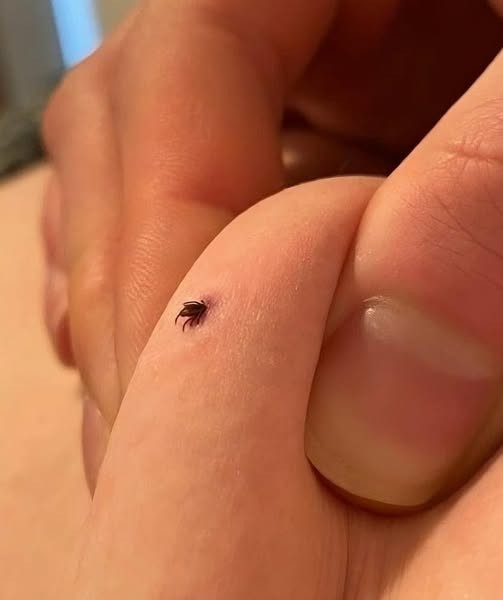
What to Do If You Find a Tick Inside Your Home
Finding a tick inside your home can be unsettling, especially because some ticks can carry germs that cause illness. Ticks are small arachnids, related to spiders and mites, that feed on the blood of people, pets, birds, and other animals. They are most often encountered outdoors in grassy, brushy, wooded, and leaf-covered areas, but they can enter homes on clothing, gear, pets, or wildlife.
A tick found indoors does not automatically mean that someone has been infected or that a home has an established infestation. In many cases, it is a single tick that was carried inside after time outdoors. However, taking prompt, practical steps can help protect people and animals, reduce the possibility of another tick bite, and provide useful information if illness develops later.
This guide explains how to handle a tick safely, what to do if it is attached to a person or pet, when to contact a healthcare professional, and how to lower the risk of ticks entering the home in the future.
Why Ticks Can Be a Health Concern
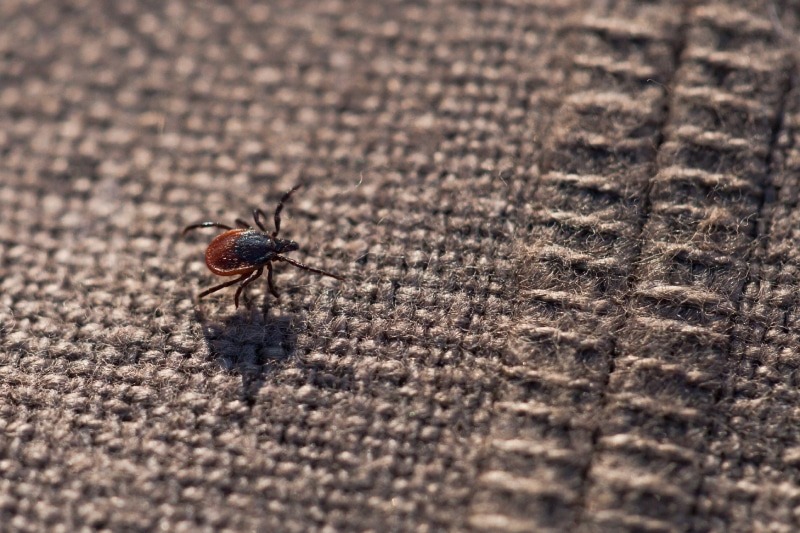
Ticks can transmit a range of bacteria, viruses, and parasites while feeding. The specific health risks vary by tick species and geographic region. In the United States, illnesses associated with tick bites include Lyme disease, Rocky Mountain spotted fever, anaplasmosis, babesiosis, ehrlichiosis, and tularemia. Not every tick carries disease-causing germs, and not every tick bite leads to illness, but awareness and early attention are important.
Lyme disease, for example, is most commonly associated with blacklegged ticks in parts of the northeastern, mid-Atlantic, and upper midwestern United States. Rocky Mountain spotted fever is linked to several tick species and can occur in multiple regions of the country. Public health agencies emphasize that the location of exposure, the type of tick, and the length of time it was attached can all affect risk.
It is important not to panic after finding a tick. The most useful approach is to remove an attached tick correctly, clean the affected area, document the date and likely location of exposure, and watch for symptoms. If questions arise, a doctor, veterinarian, local health department, or pest-management professional may be able to provide guidance.
What to Do When You Find a Tick Indoors
If a tick is crawling on a floor, wall, pet bed, clothing, or other household surface, avoid touching it with bare hands. Use tissue, disposable gloves, or fine-tipped tweezers to pick it up. Place it in a sealed container or bag if you may want to have it identified. Alternatively, dispose of it by placing it in alcohol, wrapping it securely in tape, or flushing it down the toilet.
Do not crush a tick with your fingers. Although the chance of becoming ill from simply seeing a tick is low, avoiding direct contact is a sensible precaution. After handling a tick, wash your hands thoroughly with soap and water.
Once the tick has been removed from the living area, inspect the household. Check pets, pet bedding, recently worn clothing, backpacks, shoes, outdoor equipment, and blankets that may have been used outside. A tick may have entered on a dog or cat after a walk, hike, or time in a yard. It may also have been carried indoors on trousers, socks, or camping gear.
Wash clothing that may have been exposed to ticks. The U.S. Centers for Disease Control and Prevention notes that placing clothes in a dryer on high heat for 10 minutes can kill ticks on dry clothing. Damp items may require additional drying time. Washing alone may not kill every tick, so heat from the dryer is especially useful.
How to Safely Remove a Tick Attached to Skin
If a tick is attached to a person, remove it as soon as possible. Waiting to identify the species is generally not recommended when the tick is embedded in the skin. Prompt removal is one of the most important steps a person can take after discovering a tick bite.
Use clean, fine-tipped tweezers. Grasp the tick as close to the skin’s surface as possible, aiming for the area where its mouthparts enter the skin. Pull upward with steady, even pressure. Do not jerk, twist, or squeeze the tick’s body. Twisting or crushing may make removal more difficult and can leave mouthparts behind.
If small mouthparts remain in the skin after removal, try to remove them with clean tweezers if they can be easily grasped. If they cannot be removed easily, allow the skin to heal and seek medical advice if the area becomes increasingly painful, red, swollen, or shows signs of infection.
After removing the tick, clean the bite area and your hands with soap and water, rubbing alcohol, or an iodine-based antiseptic. Avoid folk remedies such as applying petroleum jelly, nail polish, heat, or essential oils to an attached tick. These methods are not recommended by public health authorities and may delay proper removal.
Should You Save the Tick for Identification?
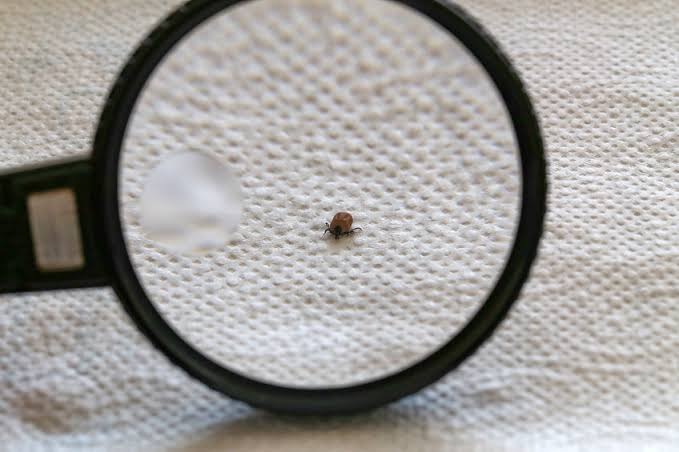
Saving a tick can sometimes be helpful, particularly if a healthcare professional or local public health agency recommends identification. Place the tick in a sealed bag or small container. You may also take a clear, close photograph next to an object for scale. Note the date it was found and where the likely exposure occurred.
Tick identification may help clarify what species was involved and whether that species is known to occur in the area. However, a tick’s appearance alone cannot confirm whether it carried a disease-causing germ. Routine testing of individual ticks is not generally used to diagnose a person’s medical risk, because test results may not be timely or reliable enough to guide treatment decisions.
A healthcare professional will usually consider the person’s symptoms, location, possible duration of attachment, medical history, and local tick-borne disease activity. If you are unsure about a tick, contacting a county extension office, local health department, or qualified pest-control professional may be useful.
How to Check Pets for Ticks
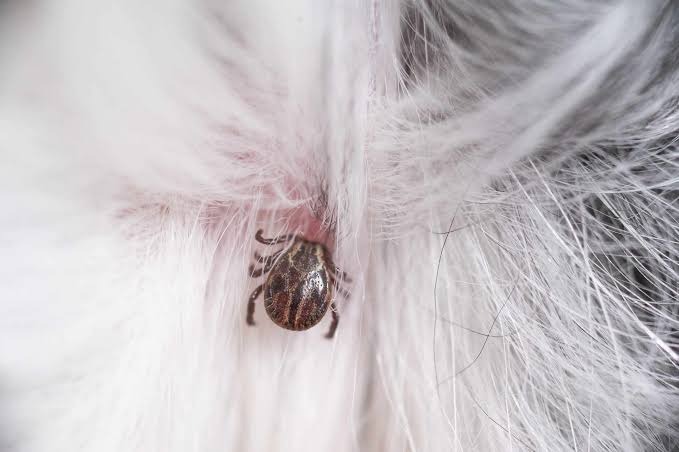
Dogs and cats can bring ticks indoors, especially after spending time in wooded areas, tall grass, gardens, or yards with leaf litter. Check pets regularly during tick season and after outdoor activity. Run your fingers slowly over the animal’s body, paying attention to the ears, eyelids, collar area, under the front legs, between the back legs, around the tail, and between the toes.
If a tick is attached to a pet, use a tick-removal tool or fine-tipped tweezers to remove it close to the skin. Pull steadily without twisting. Then clean the area gently. If you are uncomfortable removing the tick, or if the bite area looks irritated, contact a veterinarian.
Pet owners should ask a veterinarian about appropriate tick-prevention products. Options may include oral medications, topical treatments, collars, or other veterinary-approved preventives. Products should always be selected according to the pet’s species, age, size, health status, and veterinary advice. Some products intended for dogs can be dangerous for cats, so it is important to use only products specifically approved for the animal being treated.
Symptoms to Watch for After a Tick Bite
Many tick bites cause no symptoms beyond mild local irritation. A small bump, redness, or itchiness can occur and may resolve within a few days. Still, people should monitor their health for several weeks after a bite, especially if the tick may have been attached for an extended period or exposure occurred in an area where tick-borne illnesses are known to occur.
Contact a healthcare professional if you develop fever, chills, headache, unusual fatigue, muscle or joint aches, swollen lymph nodes, or a new rash after a tick bite. Some people with Lyme disease develop an expanding rash that may resemble a target, but rashes vary and are not always present. Other tick-borne illnesses can cause different patterns of symptoms.
Seek timely medical advice for concerning symptoms rather than relying solely on online images or self-diagnosis. Early assessment is particularly important for children, older adults, pregnant people, and anyone with a weakened immune system. Tell the clinician when the tick was found, where exposure may have occurred, whether it was attached, and any symptoms that have appeared.
Healthcare professionals do not prescribe antibiotics after every tick bite. In certain circumstances, preventive treatment may be considered, but this depends on factors such as the tick species, the geographic area, timing, and the estimated duration of attachment. A clinician can assess whether preventive medication or observation is appropriate.
Can Ticks Live and Reproduce Inside a House?
Most ticks found indoors are accidental visitors brought in from outside. They generally need suitable hosts and environmental conditions to complete their life cycle. A single tick on the floor does not necessarily mean there is a household infestation.
However, some ticks, including brown dog ticks, can live indoors under favorable conditions and may become a persistent problem in homes with dogs. These ticks can hide in cracks, behind furniture, in pet bedding, and around baseboards. If ticks are repeatedly found indoors, especially after pets have been treated or during periods when nobody has recently been outdoors, consider contacting a licensed pest-management professional and a veterinarian.
Regular vacuuming, laundering pet bedding, reducing clutter near pet resting areas, and treating pets with veterinarian-recommended tick prevention can help. A professional may identify likely entry points, assess whether indoor treatment is needed, and recommend a plan that minimizes unnecessary pesticide use.
How to Prevent Ticks From Entering Your Home
Prevention begins outdoors. When walking in wooded or grassy areas, wear long sleeves, long trousers, and closed-toe shoes when practical. Tucking trousers into socks can make ticks easier to spot before they reach the skin. Light-colored clothing may also make crawling ticks more visible.
Use an insect repellent registered for its intended purpose and follow the product label carefully. The CDC advises that Environmental Protection Agency-registered repellents can be used as directed to help reduce tick bites. Clothing and gear can also be treated with products containing permethrin when used according to label instructions. Permethrin should not be applied directly to skin.
After spending time outdoors, conduct a full-body tick check. Examine under the arms, around the ears, inside the belly button, behind the knees, in the hair, around the waist, and between the legs. Parents should check children carefully, and pet owners should inspect animals before they settle indoors.
Yard maintenance can also reduce tick habitat. Keep grass mowed, remove leaf litter, clear tall weeds around frequently used areas, and create separation between wooded spaces and play or seating areas where possible. Stacking wood neatly in dry locations may discourage small animals that can carry ticks. These measures cannot eliminate every tick, but they can make a property less favorable for them.
When to Contact a Professional
Most situations involving one tick can be handled at home with safe removal, cleaning, and monitoring. Medical advice is appropriate when a tick has been attached, when symptoms develop, or when there are questions about whether preventive treatment may be needed.
A veterinarian should be contacted if a pet has multiple ticks, appears unwell after a tick bite, or needs help selecting a prevention plan. Pest-control support may be useful when ticks are repeatedly found indoors, when a brown dog tick problem is suspected, or when household measures have not resolved the issue.
The key message is straightforward: remove attached ticks promptly, avoid unproven removal methods, check people and pets after outdoor activity, and seek qualified advice if symptoms or repeated indoor tick sightings occur. Calm, timely action can help reduce risk while supporting a safer home environment.
Sources
- Centers for Disease Control and Prevention: About Ticks
- Centers for Disease Control and Prevention: What to Do After a Tick Bite
- Centers for Disease Control and Prevention: Lyme Disease
- U.S. Environmental Protection Agency: Insect Repellents
- American Veterinary Medical Association: Ticks and Your Pet
Disclaimer: This content is intended for entertainment purposes only and is not based on real events.