
Vacations are often filled with excitement, new experiences, and unforgettable memories. For many cruise passengers, shore excursions offer the chance to explore beautiful destinations while trying adventurous activities that may not be available at home. From zip lines and snorkeling to rope swings and jungle tours, these experiences can become the highlight of a trip.
However, even well-organized recreational activities carry some level of risk. A recent incident involving a Carnival cruise passenger has drawn attention to the importance of safety procedures, proper equipment, and understanding the risks associated with adventure excursions.
While the event was unexpected and distressing for those involved, it also serves as a valuable reminder that preparation, clear safety guidance, and prompt medical care are essential components of any outdoor adventure.
What Happened During the Excursion?
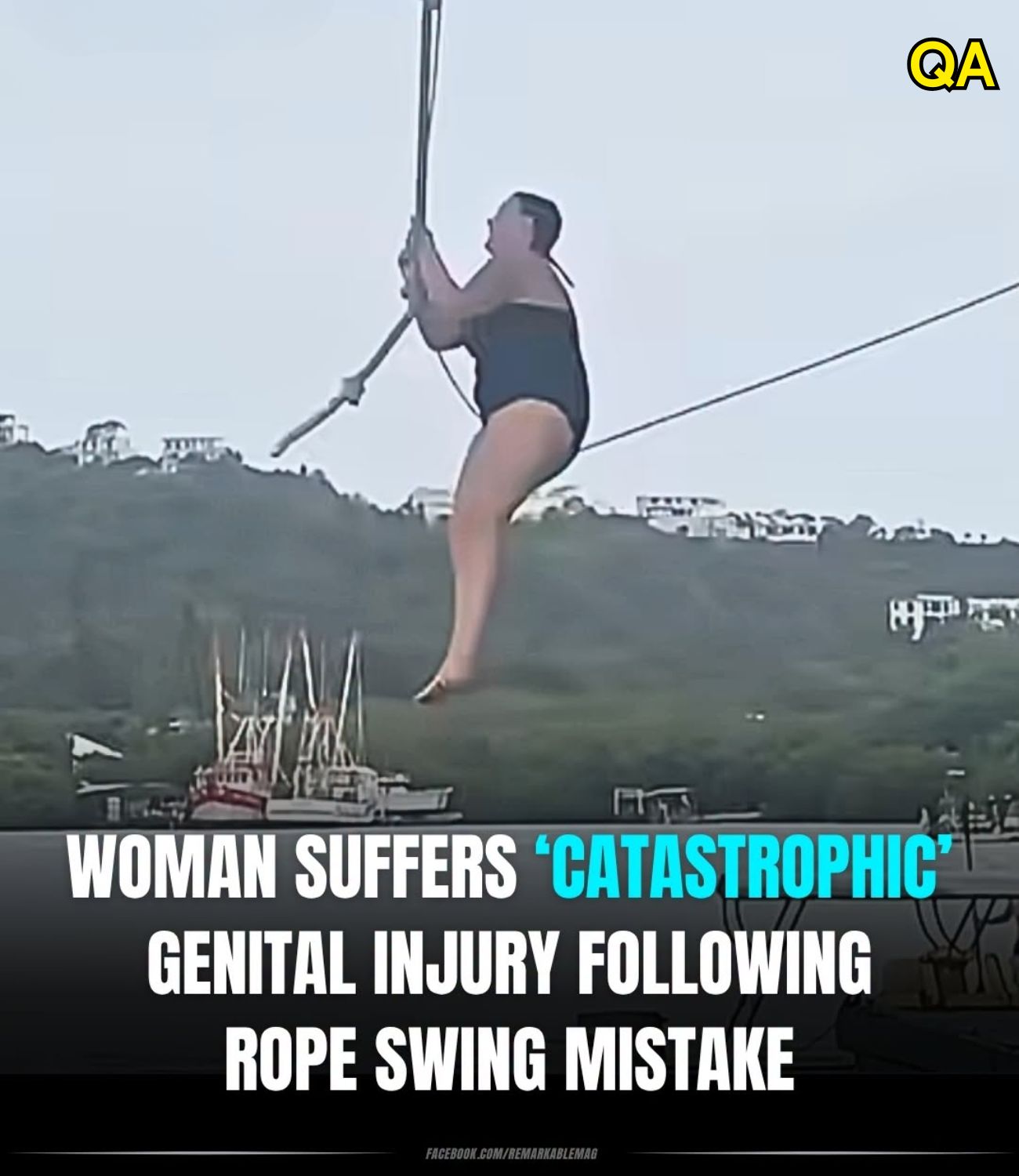
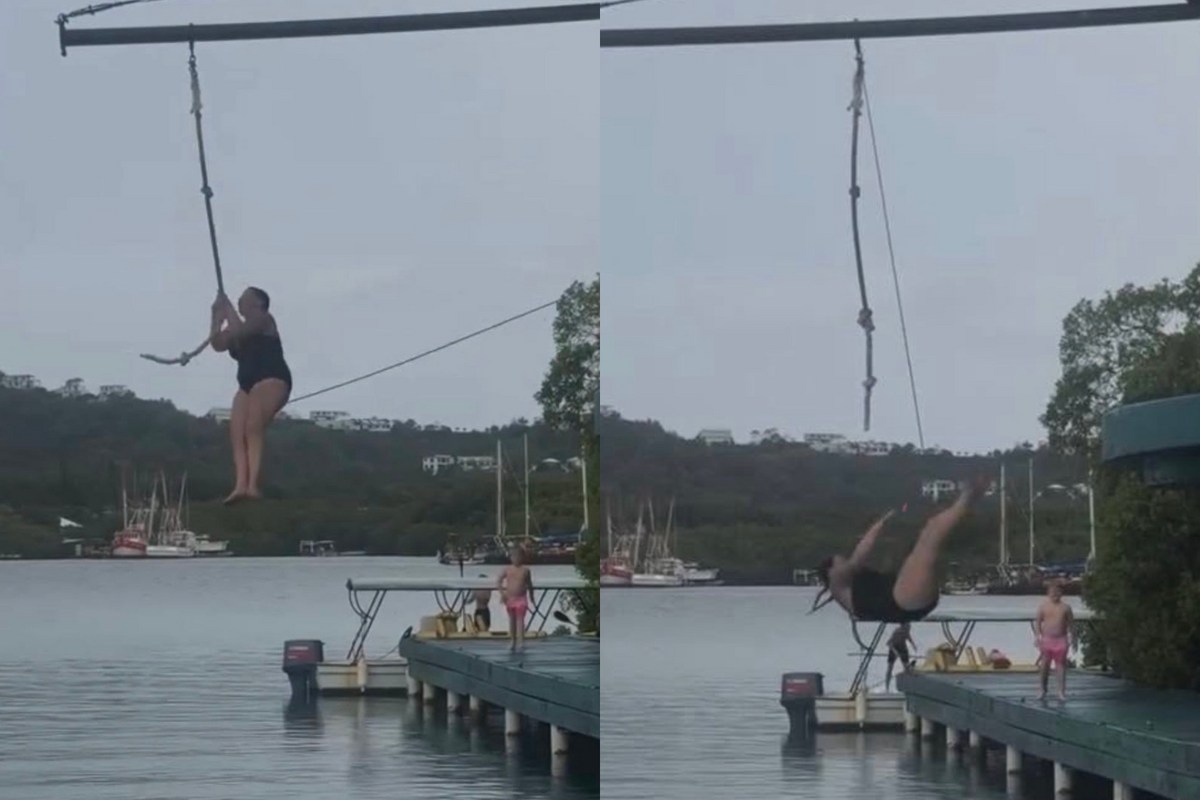
According to reports, 28-year-old Kirsten Lindsey was participating in a rope swing excursion during a Carnival cruise stop in Honduras.
The incident occurred on the third day of the cruise after she jumped from a platform. During the swing, she came into contact with a slack retrieval rope before entering the water.
Initially, Lindsey believed the injury was relatively minor and continued with her day. However, after returning to the cruise ship, her discomfort reportedly increased, leading her to seek medical attention.
As her condition became more serious, arrangements were made for additional medical treatment onshore, including an air transfer to a healthcare facility.

Medical Care and Recovery
Following the incident, Lindsey received emergency medical care.
Public reports indicate that her boyfriend later described the experience as both emotionally and financially challenging, noting that emergency transportation and medical treatment resulted in significant expenses.
While details regarding her long-term recovery have remained private, the incident has prompted discussions about safety standards, travel insurance, and emergency preparedness during adventure tourism activities.
Understanding Rope Swing Activities
Rope swings are popular attractions in many tropical destinations.
Although they may appear simple, these activities involve several factors that influence safety, including:
- Equipment condition
- Proper supervision
- Participant instructions
- Landing area
- Rope positioning
- Environmental conditions
When operated correctly, recreational rope swings can provide enjoyable experiences. However, as with many outdoor adventure activities, unexpected situations may occur if equipment, timing, or positioning differ from expectations.
Why Proper Instruction Matters
Before participating in any adventure activity, operators typically provide safety briefings.
These briefings often cover:
- Correct body positioning
- Safe launch techniques
- Landing procedures
- Hand placement
- Weight and height requirements
- Situations in which participants should not proceed
Listening carefully to these instructions helps reduce unnecessary risks and allows participants to better understand how the activity is designed to operate.
Adventure Tourism and Risk Management
Adventure tourism has grown rapidly around the world.
Popular activities include:
- Zip lining
- White-water rafting
- Rock climbing
- Parasailing
- Scuba diving
- Rope swings
- Bungee jumping
Although millions of travelers participate safely every year, no recreational activity is completely without risk.
Professional operators work to reduce hazards through:
- Equipment inspections
- Staff training
- Emergency response planning
- Participant screening
- Routine maintenance
These measures help create safer experiences for visitors.

The Importance of Emergency Response
One positive aspect highlighted by this incident was the availability of emergency medical care.
When injuries occur in remote or international locations, rapid assessment and transportation can make a significant difference.
Cruise lines and excursion providers generally maintain procedures for coordinating medical assistance when needed, although the exact response depends on local resources and the nature of the incident.
Travelers may also benefit from understanding the medical services available at each destination before participating in higher-risk activities.
The Role of Travel Insurance
Unexpected medical situations can happen during any trip.
Travel insurance may help cover certain costs related to:
- Emergency medical treatment
- Hospital care
- Medical transportation
- Trip interruption
- Emergency evacuation
Coverage varies by policy, so travelers are encouraged to review policy details before departure.
Understanding what is and is not included can help avoid unexpected financial challenges if medical care becomes necessary while traveling.
Choosing Safe Excursions
Before booking an adventure activity, travelers may wish to consider several factors.
Helpful questions include:
- Is the operator licensed?
- Are safety briefings provided?
- Is protective equipment available when appropriate?
- Do guides have emergency training?
- Are participant requirements clearly explained?
- Are recent customer reviews positive regarding safety?
Taking a few minutes to research an excursion can contribute to a more informed decision.
Myths About Adventure Activities
Myth: Cruise-Sponsored Excursions Are Completely Risk-Free
Reality:
Cruise lines typically work with established operators, but every physical activity carries some level of inherent risk.
Myth: Minor Discomfort Never Requires Medical Attention
Reality:
Some injuries may appear mild initially but become more noticeable over time.
If symptoms worsen, seeking prompt medical evaluation is generally recommended.
Myth: Safety Briefings Are Optional
Reality:
Safety instructions are an important part of risk reduction and should be followed carefully before participating.
Lessons for Travelers
Incidents like this encourage travelers to approach adventure experiences with preparation rather than fear.
Practical steps include:
- Following all safety instructions.
- Wearing recommended equipment.
- Asking questions before participating.
- Understanding personal physical limits.
- Purchasing appropriate travel insurance.
- Seeking medical care if symptoms develop after an activity.
Adventure tourism can remain enjoyable while also emphasizing responsible decision-making.
Conclusion
The reported incident involving a Carnival cruise passenger during a rope swing excursion serves as an important reminder that even recreational activities require careful attention to safety.
While millions of travelers safely enjoy adventure excursions each year, proper equipment, clear instructions, trained staff, and prompt medical care all play essential roles in reducing risk and responding effectively when unexpected situations arise.
Rather than discouraging travel or outdoor recreation, stories like this encourage greater awareness and preparation. By researching activities, following safety guidance, and considering travel insurance, travelers can make informed decisions that help them enjoy memorable experiences with greater confidence.
Human curiosity naturally draws people toward adventure and exploration. When paired with thoughtful planning and respect for safety practices, those experiences can remain rewarding while minimizing unnecessary risks.
.png)
Sources
- Carnival Cruise Line
- U.S. Centers for Disease Control and Prevention (CDC) – Traveler’s Health
- International Society of Travel Medicine (ISTM)
- World Health Organization (WHO) – Travel Health
- U.S. Department of State – International Travel Information
- Cruise Lines International Association (CLIA)
- International Association for Medical Assistance to Travellers (IAMAT)