
Luxury hotels are often associated with relaxation, stunning architecture, and unforgettable travel experiences. Few people imagine these destinations becoming part of international headlines during periods of regional tension. Yet in late February 2026, one of Dubai’s best-known waterfront resorts unexpectedly found itself at the center of global attention.
As military tensions escalated across the Middle East, reports emerged of a fire at Fairmont The Palm, a five-star hotel located on the iconic Palm Jumeirah. Videos showing smoke rising above the hotel quickly spread across social media, leading to widespread speculation about what had occurred.
While dramatic headlines circulated online, verified reporting painted a more nuanced picture. Authorities confirmed a fire and emergency response, but investigations and official statements emphasized the importance of distinguishing confirmed facts from early speculation.
This article examines what is currently known about the Fairmont The Palm incident, explains why misinformation spread so rapidly, explores the science of crisis communication, and discusses the broader importance of verifying information during breaking news events.
What Happened at Fairmont The Palm?
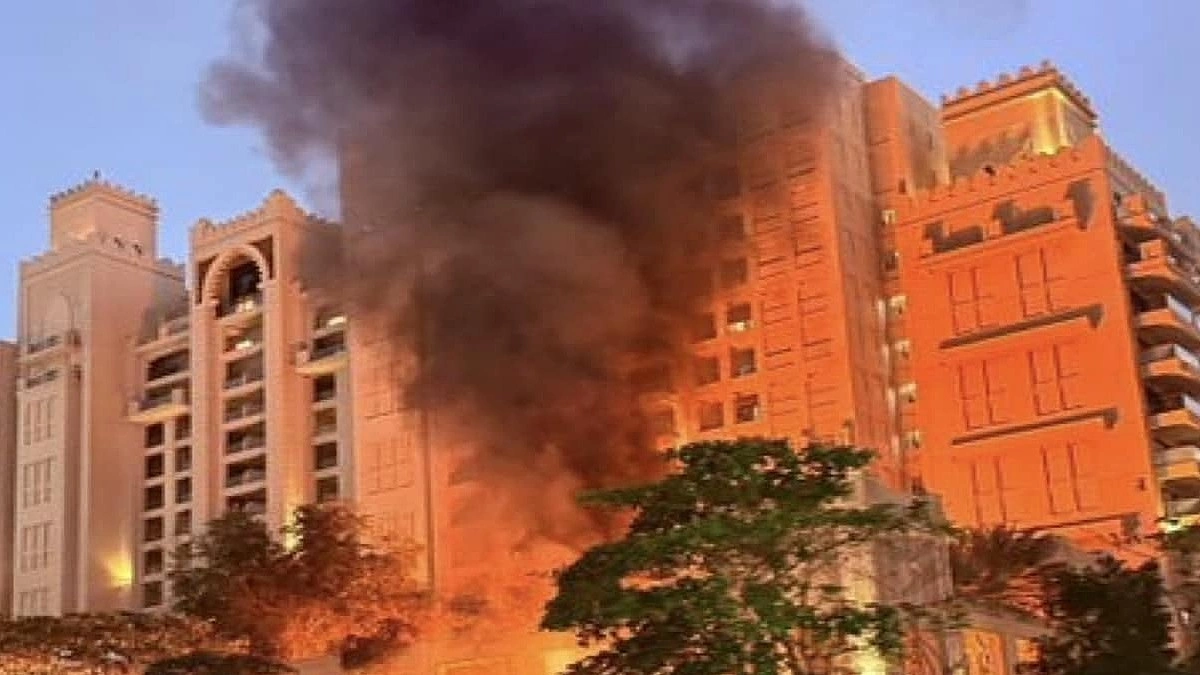
On February 28, 2026, a fire broke out at Fairmont The Palm, a luxury hotel on Dubai’s Palm Jumeirah, during a period of heightened regional military activity. Authorities confirmed that emergency services responded quickly and brought the fire under control. Several people were reported injured, but there were no official reports of fatalities at the hotel.
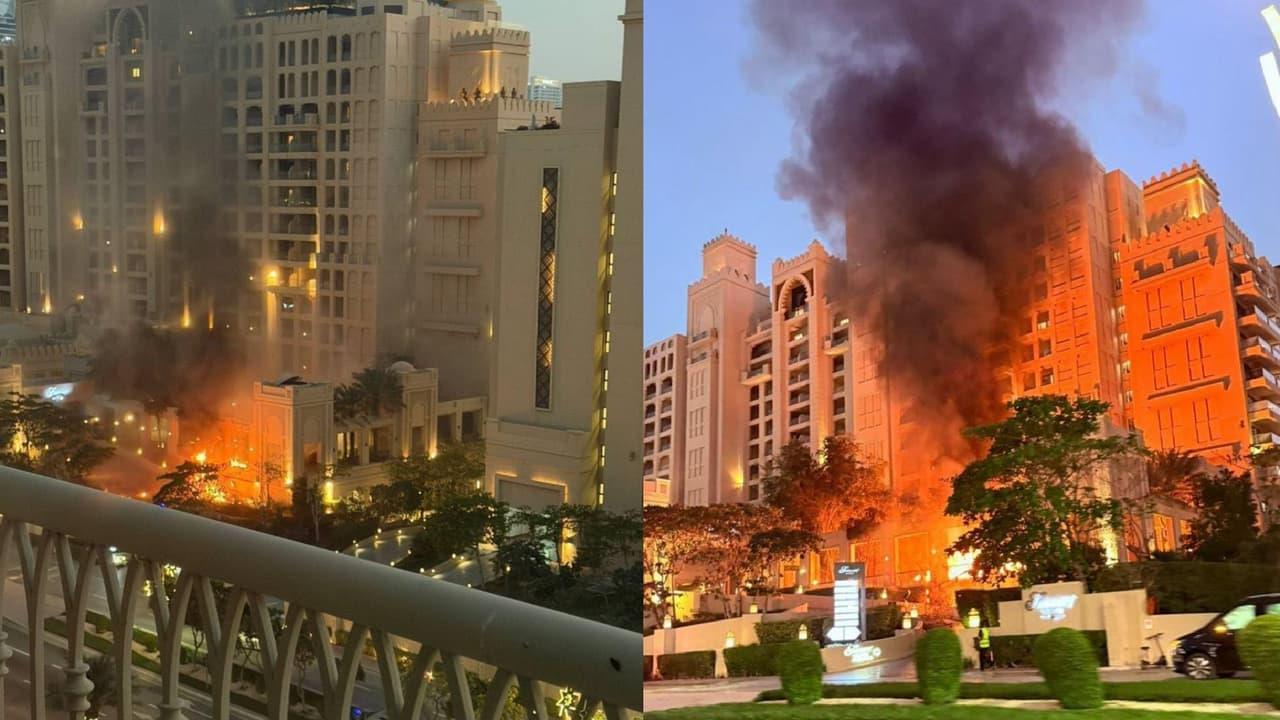
Videos shared by witnesses showed smoke rising near the hotel while explosions and aerial interceptions were reported elsewhere over Dubai. These images rapidly spread across social media platforms, attracting worldwide attention.
Was the Hotel Directly Hit?
One of the biggest questions following the incident was whether the hotel itself had been directly struck.
Early reports varied considerably.
Some media outlets suggested the damage may have resulted from debris falling after air-defense interceptions.
Others reported the possibility of a direct impact.
At the time, officials had not issued a definitive public conclusion regarding the exact cause of the damage. Investigations remained ongoing, and several reputable news organizations cautioned against treating early claims as confirmed facts.
Why the Story Spread So Quickly
Major international events often generate enormous online attention within minutes.
Several factors contributed to the rapid spread of this story:
- The iconic location.
- Dramatic videos.
- Ongoing regional tensions.
- Social media sharing.
- International tourism interest.
Palm Jumeirah is one of Dubai’s most recognizable landmarks, making any incident there especially newsworthy.
Images of smoke rising from a luxury hotel naturally attracted global curiosity.
The Challenge of Breaking News
Breaking news evolves quickly.
Initial reports frequently rely on eyewitness accounts before investigators complete their work.
As a result, early information may later be updated or corrected.
This is why journalists generally distinguish between:
Confirmed facts
- Emergency response.
- Official statements.
- Verified photographs.
- Confirmed injuries.
Unconfirmed information
- Exact causes.
- Responsibility.
- Extent of structural damage.
- Social media speculation.
Following verified updates helps reduce confusion during rapidly changing situations.
How Social Media Influenced Public Perception
Within hours, videos from different locations across Dubai appeared online.
Some clips accurately showed the Fairmont incident.
Others were shared without context or with misleading captions.
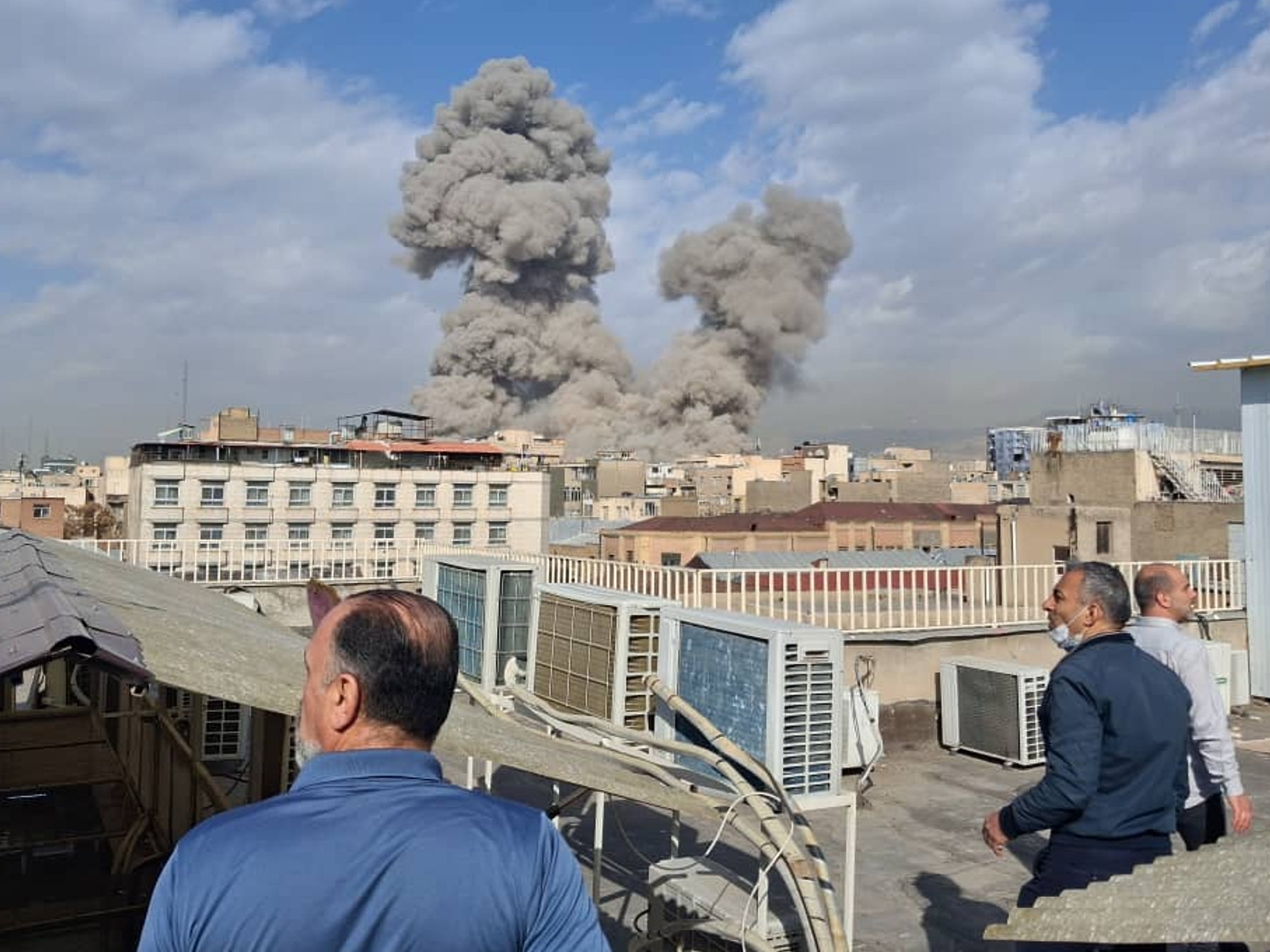
Fact-checking organizations later found that some videos continued circulating months afterward while being incorrectly presented as new events.
This illustrates how digital content can remain online long after an event has passed.
Why Visual Content Feels Convincing
Humans naturally trust visual evidence.
A dramatic photograph or short video often creates a stronger emotional response than written information.
However, videos alone rarely explain:
- When they were recorded.
- Where they originated.
- What caused the event.
- Whether captions are accurate.
Professional investigators therefore combine visual evidence with official reports before reaching conclusions.
Crisis Communication and Public Information
Governments and emergency agencies generally prioritize providing accurate information rather than immediate speculation.
During complex emergencies, officials often need time to:
- Assess damage.
- Confirm public safety.
- Coordinate emergency services.
- Verify eyewitness reports.
Although waiting for official confirmation may feel frustrating, accurate communication helps prevent unnecessary panic.
Researchers in crisis management consistently emphasize that transparent and timely information supports better public decision-making.
The Science Behind Information Overload
Psychologists have found that people naturally seek answers during uncertain situations.
When official information is limited, individuals may unintentionally rely on rumors or incomplete reports.
This phenomenon is sometimes called an information vacuum.
Social media can fill that vacuum rapidly, regardless of whether the information has been verified.
For this reason, media literacy experts encourage checking multiple reliable sources before accepting dramatic claims.
The Importance of Emergency Preparedness
Although luxury hotels maintain extensive safety procedures, unexpected emergencies can occur anywhere.
International hospitality organizations typically prepare staff through:
- Fire response training.
- Emergency evacuation planning.
- Guest communication procedures.
- Coordination with local emergency services.
Reports indicated that emergency responders acted quickly following the Fairmont incident, helping secure the area after the fire was brought under control.
Tourism During Regional Events
Dubai remains one of the world’s leading travel destinations, welcoming millions of visitors each year.
Large international cities continuously review emergency planning to help protect residents and visitors alike.
Following major incidents, authorities often reassess security procedures while working to restore normal operations as quickly as possible.
Travel experts generally recommend monitoring official government travel advisories when visiting any region experiencing rapidly changing events.
Myth vs. Reality
Myth: Every Viral Video Shows a Current Event
Reality:
Older videos are frequently reshared with new captions.
Fact-checkers have documented several examples involving footage from the Fairmont incident being presented as if it showed later events.
Myth: Early Reports Always Tell the Full Story
Reality:
Breaking news develops over time.
Initial reports often change as investigators collect additional evidence.
Myth: Social Media Confirms Accuracy
Reality:
Popularity does not guarantee reliability.
The number of shares or views says little about whether information has been independently verified.
Lessons from the Fairmont Incident
Beyond the headlines, the Fairmont The Palm fire offers several broader lessons.
First, verified information is essential during major news events.
Second, visual content should always be viewed in context.
Third, emergency responders play a critical role in protecting public safety during rapidly evolving situations.
Finally, thoughtful reporting helps audiences understand complex events without unnecessary speculation.
Conclusion
The fire at Fairmont The Palm became one of the most widely discussed stories during the February 2026 Middle East escalation. While dramatic videos circulated across social media, official information emphasized the importance of careful investigation and verified reporting before drawing conclusions about the exact cause of the incident.
The event also highlighted how quickly information travels in today’s digital world. Images, eyewitness accounts, and online discussions can reach millions within minutes, making critical thinking and reliable sources more important than ever.
Human curiosity naturally draws us toward major international events, especially those involving recognizable places. By approaching breaking news with patience, media literacy, and a commitment to verified information, we gain a clearer understanding of complex situations while avoiding the misunderstandings that often accompany fast-moving stories.
Sources
- Reuters – Reporting on the Fairmont The Palm fire and Dubai government confirmation.
- The Washington Post – Coverage of the February 28, 2026 incident and emergency response.
- Financial Times – Reporting on the wider regional escalation.
- People – Eyewitness accounts from guests at Fairmont The Palm.
- Thai PBS Verify – Fact-check on recycled videos related to the Fairmont incident.