

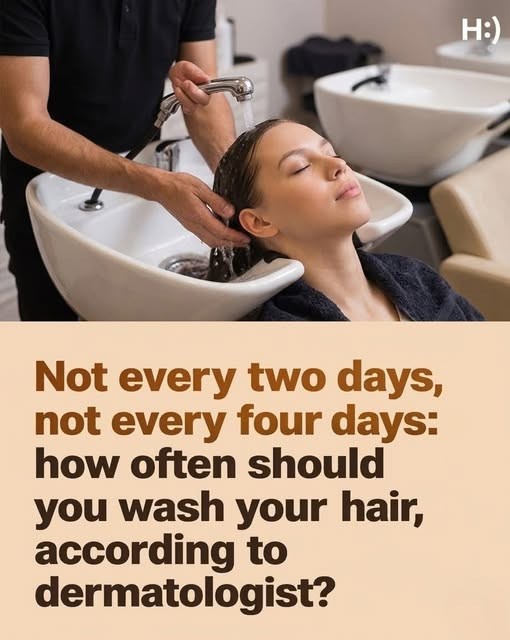
How Often Should You Wash Your Hair? Expert Advice and Scientific Insights
Understanding Changes in Hair and Scalp with Age
As people age, hair undergoes many gradual changes, from reduced thickness and increased dryness to greater scalp sensitivity. These changes, accompanied by lifestyle and environmental factors, can prompt individuals to reconsider their hair care routines—particularly how often they wash their hair. Balancing scalp health and hair maintenance becomes increasingly important with age, leading to the widely asked question: How often should you wash your hair?
While it is natural to seek a one-size-fits-all answer, the reality is more nuanced. Recommendations can differ based on age, hair type, scalp condition, genetics, and external factors such as climate or product use. However, experts generally advise washing hair about three to five times per week for most adults. This guideline aims to strike a balance between removing buildup and preserving natural moisture, but an individualized approach is crucial.
The Role of Washing in Hair and Scalp Health
Washing hair serves multiple purposes beyond mere cleanliness or appearance. At its core, the process supports a healthy scalp—an essential foundation for robust hair growth and comfort. The scalp naturally secretes sebum, an oily substance that helps moisturize and protect hair fibers. However, sebum does not act alone. It mixes with sweat, dust, airborne pollutants, and residues from styling products, forming potential buildup that can interfere with both scalp and hair health.
If left unaddressed, this accumulation can result in discomfort, clogged follicles, and an environment favorable to scalp disorders. Regular but not excessive washing assists in removing these unwanted deposits, helping maintain the balance between a clean scalp and healthy, nourished hair. Clean hair follicles are more efficient in facilitating growth, and a well-maintained scalp also allows conditioners and specialized treatments to penetrate and perform more effectively.
Determining Your Ideal Hair Washing Frequency
The optimal frequency for washing hair varies significantly from person to person. Key influencing factors include:
- Hair Type: Straight, fine hair may become oily faster and need more frequent washing. Coarser, curly, or textured hair, which tends to be drier, often benefits from less frequent shampooing to avoid moisture loss.
- Scalp Oil Production: Genetics and hormones play major roles in determining how oily your scalp becomes. Those with oilier scalps may prefer to wash more frequently, while others can go longer between cleanses.
- Lifestyle and Activity Level: Active individuals or those living in humid, polluted, or hot environments might accumulate sweat and environmental debris more rapidly, necessitating more frequent washes.
- Product Use: Regular use of styling products can increase the rate of buildup, meaning hair may need cleansing more often to avoid dullness or residue.
- Age: Sebum production tends to decrease with age, making the scalp—and therefore hair—potentially drier, which might warrant less frequent washing to conserve natural oils.
Ultimately, experts suggest using your hair’s appearance, texture, and how your scalp feels as primary indicators. If hair looks limp, feels greasy, or the scalp is uncomfortable, it may be time to wash. Conversely, dry, brittle, or frizzy locks suggest it may be beneficial to reduce washing frequency.
Common Myths and Misconceptions About Hair Washing
There is a persistent belief that washing hair more frequently causes the scalp to produce extra oil in response. However, dermatological research indicates that oil (sebum) production is largely determined by genetics and hormones, not by washing frequency. Overwashing can strip the scalp of natural oils, potentially leading to dryness and irritation, especially for individuals with sensitive skin or aging scalps. Nevertheless, for those experiencing scalp odor, itching, or significant product buildup, frequent cleansing may be necessary for comfort and hygiene.
Expert Opinions and Dermatological Guidance
According to dermatologists at organizations such as the American Academy of Dermatology (AAD) and Mayo Clinic, the three-to-five-times-per-week range suits most people, though adjustments are recommended based on individual needs. Dr. Shilpi Khetarpal, a dermatologist at Cleveland Clinic, advises evaluating both hair and lifestyle variables, noting, “Some may need daily washing, while others maintain scalp health with only weekly washes.”
For those with specific scalp concerns (eczema, dandruff, or psoriasis), consulting with a dermatologist is especially important. Medical professionals might recommend medicated shampoos, altered routines, or tailored care plans. Ignoring scalp health can contribute to more severe issues such as folliculitis, infections, or chronic irritation.
The Science of Shampooing: Techniques and Product Choices
Proper washing techniques and product selection are as important as wash frequency in supporting hair and scalp health. Using gentle, sulfate-free shampoos is generally advised for all but the oiliest hair types. Sulfates, powerful detergents, effectively remove oil but can also strip protective moisture, resulting in dryness or irritation, especially for older adults or those with color-treated hair.
Experts recommend the following shampooing tips:
- Use lukewarm water: Hot water can dry out both scalp and hair.
- Massage shampoo gently into the scalp using fingertips, not nails, to avoid irritation or injury.
- Focus on the scalp for shampooing; concentrate conditioner on the hair’s midlength and ends to prevent heaviness.
- Rinse thoroughly to remove all product residue, which otherwise can contribute to buildup and dullness.
- Limit aggressive towel-drying or heat styling, both of which can contribute to breakage and moisture loss.
Adapting Your Routine Over Time
Flexibility is central to nurturing healthy hair. Life changes—shifts in hormone levels, environmental exposure, health status, or age—may require adjusting your grooming habits. For example, during seasonal transitions or periods of heightened physical activity, a temporary increase in wash frequency may be beneficial. Conversely, during winter or hormonal shifts (like menopause), when dryness is more likely, reducing wash frequency and introducing deep-conditioning routines can provide substantial benefit.
Experts suggest re-evaluating your haircare routine every few months and being open to modifying it as needed. Keeping track of how your scalp and hair respond to frequency changes enables customization that supports ongoing hair health. If you ever notice persistent irritation, itching, or unexplained hair loss, a prompt visit to a board-certified dermatologist is recommended.
International Perspectives and Societal Trends in Hair Care
Globally, preferences and norms regarding hair washing differ based on cultural practices, local climate, and product availability. For example, in some East Asian countries, daily hair washing is common, largely due to climate, social expectations, and fine hair types. In contrast, people with highly textured or coily hair, as found within many African and African diasporic communities, may wash hair as little as once per week or even less to avoid dryness and breakage.
The recent movement towards “no-poo” (no shampoo) or low-poo routines—driven by interest in minimal, more natural haircare—illustrates the evolving landscape of modern hair maintenance. However, dermatologists caution that these practices may not be ideal for everyone, especially those prone to seborrheic dermatitis or other scalp conditions benefitting from regular cleansing.
Conclusion: A Personalized Approach is Best
There is no universally perfect answer to how often you should wash your hair; the best frequency is the one that fits your hair’s natural characteristics, your lifestyle, and your scalp’s needs. Start with the expert guideline of three to five times per week and adjust upward or downward depending on your observations.
The key to healthy hair is a balanced approach focused on scalp cleanliness, personal comfort, and gentle care. Be attentive to your hair’s shifting needs and collaborate with healthcare professionals if challenges arise. By maintaining flexibility and prioritizing scalp health, you can keep your hair vibrant, comfortable, and resilient at any age.
Sources
- Mayo Clinic
- American Academy of Dermatology
- Centers for Disease Control and Prevention (CDC)
- BBC
- Harvard Health
Disclaimer: This content is intended for entertainment purposes only and is not based on real events.