


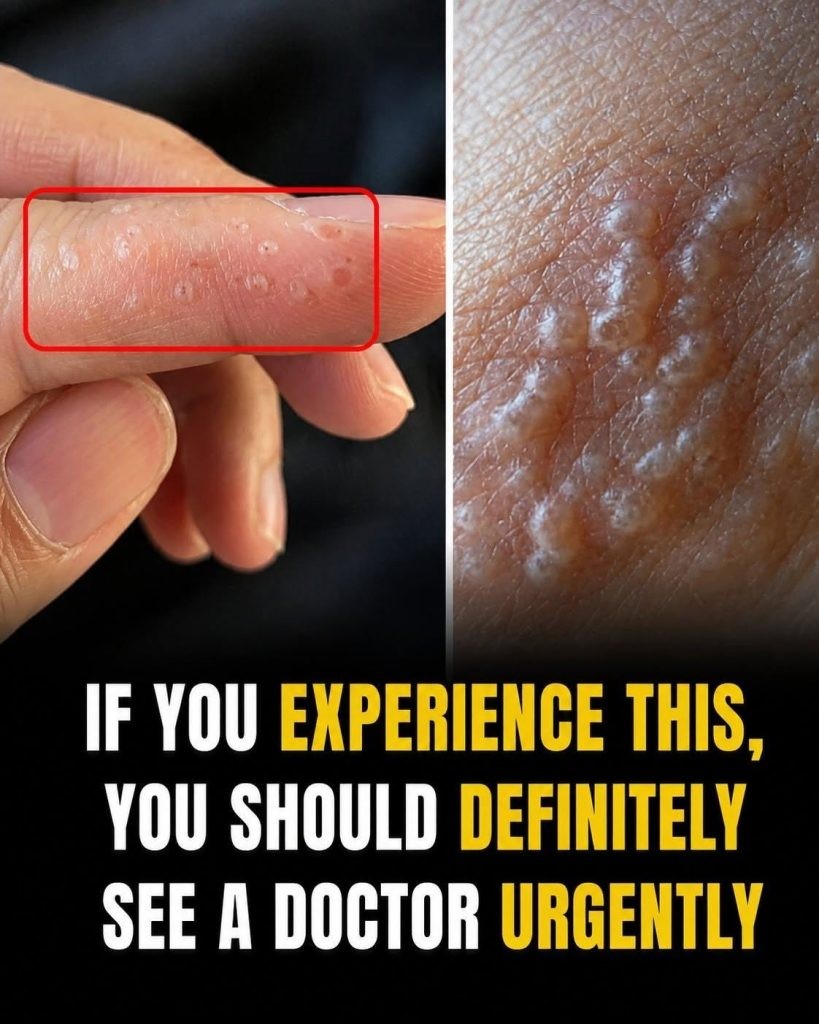
Dyshidrotic Eczema: Understanding the Causes, Symptoms, and Management
What Is Dyshidrotic Eczema?
Dyshidrotic eczema, also referred to as pompholyx, is a chronic skin condition marked by small, intensely itchy blisters that commonly appear on the fingers, palms of the hands, toes, and soles of the feet. Despite its common confusion with simple irritation, dry skin, or other forms of dermatitis, dyshidrotic eczema presents unique clinical characteristics and can have a profound impact on daily life and comfort.
Although it is not contagious and does not pose a risk of spreading from person to person, the condition is notable for the severity of discomfort caused by its symptoms. Flare-ups often recur, creating a cycle of discomfort and ongoing management challenges for those affected.
Symptoms and Clinical Features
The hallmark feature of dyshidrotic eczema is the sudden appearance of small, fluid-filled blisters. These blisters typically form in clusters, and most commonly affect the sides of the fingers, palms, toes, and the soles of the feet. The exact distribution varies, but episodes usually present in these areas.
The blisters, which resemble beads of dew, often cause intense itching and may be accompanied by a burning sensation or increased sensitivity. For some individuals, the affected skin can become swollen, red, or tender to the touch.
After several days, the blisters may dry out and form scaly patches as the fluid is reabsorbed or the blisters break. This healing phase can be uncomfortable, as the skin may crack, peel, or fissure, exposing underlying tissues and making the affected areas prone to pain and potential infection. In some cases, the skin becomes so dry and sensitive that ordinary hand or foot movements can lead to further irritation or minor injuries.
Understanding The Causes and Triggers
Medical researchers have not yet fully identified the underlying causes of dyshidrotic eczema. However, there is consensus that a complex mix of genetic, environmental, and immune system factors contribute to its development. Some evidence points to an abnormal response of the skin’s natural barrier, making it more susceptible to irritation and inflammation.
Common Triggers
- Stress: Psychological stress is frequently associated with flare-ups. Many patients report the abrupt appearance of blisters during periods of heightened stress or anxiety, suggesting a link between emotional health and immune system activity.
- Allergies: Individuals with a personal or family history of atopic diseases such as eczema (atopic dermatitis), hay fever, or asthma are at increased risk, suggesting a hereditary component.
- Warm or Humid Weather: Flare-ups are more common in hot and humid climates, possibly due to increased sweating and changes in skin hydration.
- Exposure to Irritants: Regular contact with water, detergents, soaps, cleaning products, or other chemicals can exacerbate symptoms. People whose occupations require frequent handwashing or chemical exposure are more vulnerable.
- Metal Sensitivity: Certain metals, especially nickel and cobalt, are known triggers. Direct contact through jewelry or occupational exposure may result in hand or finger outbreaks.
- Sweating: Excessive sweat or hyperhidrosis is another commonly reported trigger, as moisture can compromise the skin barrier, making outbreaks more likely.
Understanding one’s personal triggers is vital for controlling the condition since avoiding or managing these factors can help limit flare-ups. The variability of triggers also explains why dyshidrotic eczema may improve or worsen seasonally or according to changes in lifestyle or environment.
Diagnosis: How Is Dyshidrotic Eczema Identified?
Diagnosis is based primarily on a detailed physical examination and a careful review of the patient’s medical history. The characteristic appearance—small, clear vesicles clustered on the hands or feet, often with associated redness or itching—usually provides strong diagnostic evidence.
In certain cases, dermatologists may recommend additional testing to distinguish dyshidrotic eczema from other potential skin issues. These may include:
- Skin Scrapings or Cultures: To rule out fungal or bacterial infections that can mimic similar symptoms.
- Patch Testing: Used when allergic contact dermatitis is suspected as a trigger, this involves placing small amounts of potential allergens on the skin to identify reactions.
- Blood Tests: Sometimes employed to assess for underlying allergies or immune responses.
Accurate diagnosis ensures that patients receive the most appropriate and effective treatment, helping to control outbreaks and reduce the risk of complications.
Current Treatment Approaches
While there is currently no cure for dyshidrotic eczema, a range of treatments are available to control symptoms, reduce the duration of flare-ups, and minimize recurrence. Treatments are typically tailored to individual cases, taking into account the severity of symptoms, frequency of episodes, and the patient’s response to previous interventions.
Medications
- Topical Corticosteroids: These are the most commonly prescribed medications and are applied directly to the affected areas to reduce inflammation, itching, and redness.
- Moisturizers and Barrier Creams: Regular use of bland, fragrance-free moisturizers helps maintain the skin’s protective barrier. Barrier creams can also help prevent irritation from water, detergents, or other triggers.
- Topical Calcineurin Inhibitors: These non-steroidal creams (such as tacrolimus or pimecrolimus) are sometimes used for long-term management and for sensitive areas where steroid use should be limited.
- Oral Antihistamines: These may help alleviate severe itching, especially at night when symptoms often worsen.
- Systemic Medications: For severe or unresponsive cases, oral corticosteroids or immunosuppressants may be prescribed for short-term use under close supervision.
Supportive Strategies
- Soaking affected hands or feet in cool water or applying cold compresses to soothe intense itching.
- Keeping skin dry and clean, and wearing gloves or protective footwear when exposed to irritants.
- Maintaining a gentle skincare regimen using mild, non-soap cleansers and avoiding unnecessary chemicals.
Long-Term Management and Prevention
The most effective strategy for preventing recurrences involves a combination of trigger avoidance and diligent skincare. Identifying and minimizing exposure to personal irritants or allergens can make a significant difference.
Regular hydration of the skin, stress management techniques (such as mindfulness, yoga, counseling), and workplace accommodations (for instance, using protective gloves or changing products) are important aspects of long-term care.
Living with Dyshidrotic Eczema
Though chronic or recurring, most individuals can manage dyshidrotic eczema with appropriate medical care, targeted treatment, and self-care habits. The visibility and discomfort of symptoms can affect confidence and quality of life. Social support and patient education play important roles in coping with the psychological challenges this condition can bring.
Experts recommend joining patient communities or support groups, as shared experiences can foster understanding and provide practical tips for day-to-day management. In addition, ongoing research continues to improve the outlook for people with dyshidrotic eczema, offering promise for new treatments and preventive strategies in the near future.
Expert Perspectives and Ongoing Research
Dermatologists continue to investigate the mechanisms underlying dyshidrotic eczema, the relationship between the immune system, genetic predispositions, and environmental influences. Advances in skin barrier research, allergy testing, and the development of targeted therapies are expanding treatment options for patients.
International health organizations emphasize the importance of early recognition, tailored treatment plans, and patient education to improve outcomes. Ensuring access to dermatological care, especially for populations at higher risk of occupation-related flare-ups, is also a public health priority.
Global and Societal Impacts
Though dyshidrotic eczema affects people worldwide, its prevalence, recognition, and management options can differ dramatically based on healthcare access, climate, and public awareness. In regions with hot and humid weather, incidence rates may be higher, while in some industrial settings, occupational exposure significantly increases risk. Efforts to promote research, education, and workplace protections aim to reduce the burden of this and other chronic skin conditions globally.
Conclusion
Dyshidrotic eczema is a distinct and challenging form of eczema that can have a significant impact on the daily lives of those affected. Through awareness, avoidance of triggers, and advancements in treatment, people with dyshidrotic eczema can successfully manage symptoms and minimize recurrences. Ongoing research and support are furthering our understanding and offering hope for even better management strategies in the future. If you experience symptoms consistent with dyshidrotic eczema, consulting with a healthcare professional is the most reliable path to diagnosis and relief.
Sources
- Mayo Clinic – Dyshidrosis (Dyshidrotic Eczema)
- American Academy of Dermatology – Dyshidrotic Eczema
- NHS – Pompholyx (Dyshidrotic Eczema)
- DermNet NZ – Dyshidrotic eczema
- WebMD – Dyshidrotic Eczema (Pompholyx)
Disclaimer: This content is intended for entertainment purposes only and is not based on real events.