


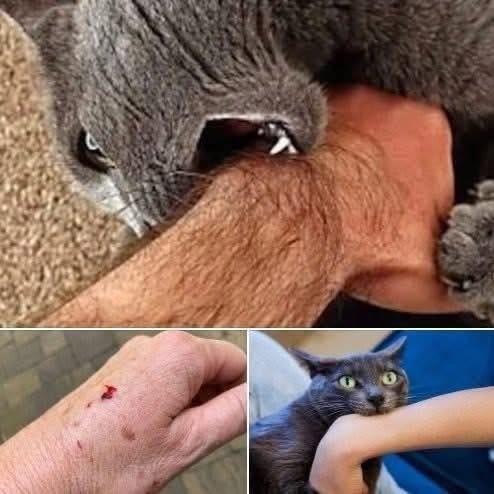
Anyone who has ever shared a home with a cat knows that these fascinating animals can be wonderfully unpredictable. One moment, your cat may be curled beside you, purring peacefully and enjoying a gentle cuddle. The next, you might feel a quick little nip that leaves you wondering, “What was that about?”
Cat biting can be confusing, especially when it happens during an otherwise affectionate moment. But in many cases, a cat bite is not a sign that your pet dislikes you. Cats communicate in many ways, and their behavior can depend on their mood, surroundings, body language, and past experiences.
So, why does your cat bite you?
The answer depends on what was happening before the bite, how hard your cat bit, and what your cat did afterward. Understanding these small signals can help you build a more comfortable and trusting relationship with your feline companion.
1. Your Cat May Be Playing
One of the most common reasons cats bite is simply play.
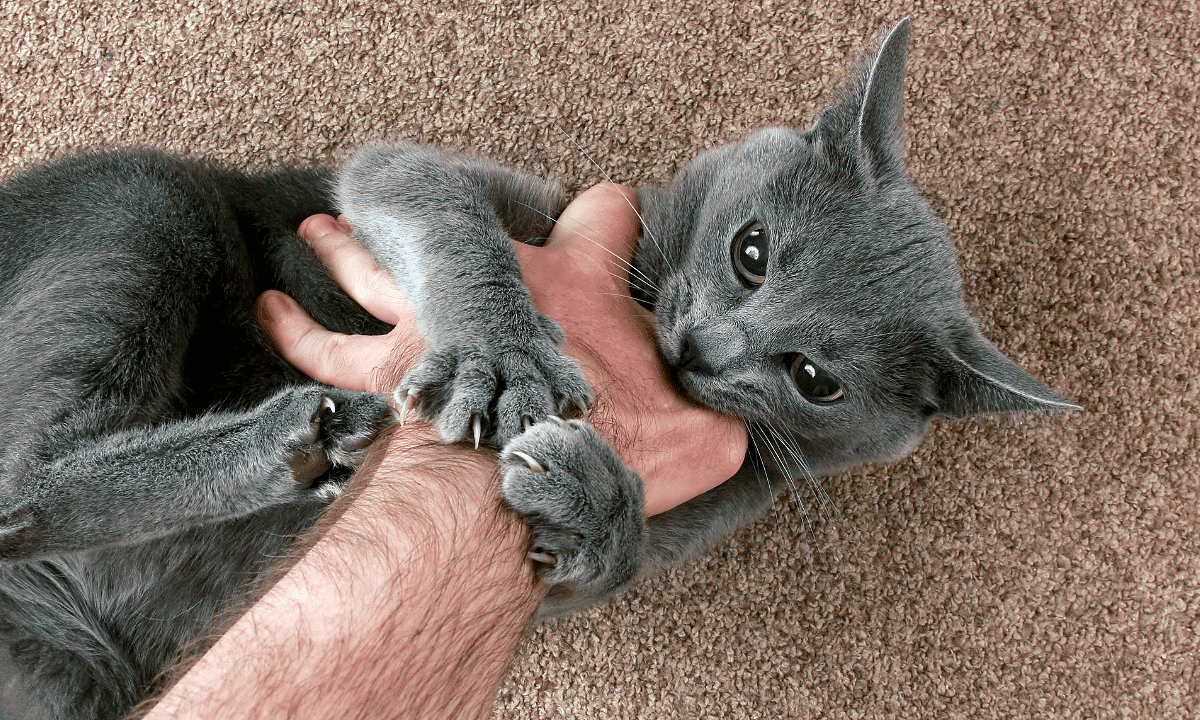
Cats are natural hunters, and play allows them to practice behaviors such as chasing, pouncing, grabbing, and gently biting. Kittens especially use their mouths during play as they learn how to interact with siblings and their surroundings.
An adult cat may also carry this behavior into everyday life. If your cat grabs your hand, gently bites your fingers, and then runs away or invites you to continue playing, the behavior may be playful rather than hostile.
You may notice other signs of playful behavior, such as a relaxed body, quick movements, alert ears, or an invitation to chase a toy.
However, it is best to avoid using your hands as toys. Instead, interactive toys, feather wands, balls, and other appropriate objects can give your cat an outlet for natural play behaviors without teaching them that human hands are something to chase.
2. Your Cat May Be Overstimulated
Have you ever been petting your cat and suddenly received a little nip?
This can happen when a cat becomes overstimulated.
Some cats enjoy being stroked for a few minutes but eventually reach their limit. What feels like a pleasant interaction at first may become uncomfortable if the touching continues.
Cats often communicate their changing mood through subtle body language before they bite. Your cat may begin moving its tail more rapidly, shifting its body, flattening its ears slightly, or turning its head toward your hand.
These signals can be easy to miss.
Learning to recognize them can help you stop the interaction before your cat feels the need to communicate more clearly.
Every cat has a different tolerance for physical contact. Some enjoy long cuddles, while others prefer short moments of affection followed by personal space.
3. Your Cat Could Be Saying “Please Stop”
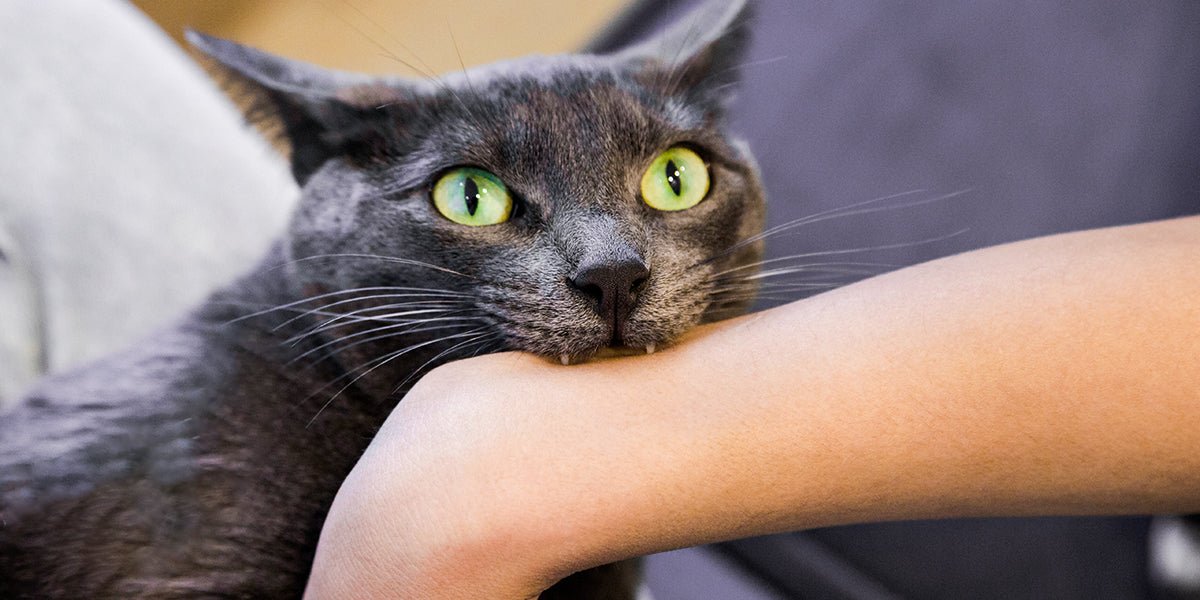
Sometimes, a bite is simply a boundary.
Cats do not always want to be touched, picked up, or cuddled, even when they have a strong bond with their humans.
A cat may enjoy sitting next to you without wanting you to touch it. Another cat may happily accept gentle strokes around the cheeks but dislike being touched near the belly, paws, or tail.
When a cat bites after repeated attempts to continue an interaction, it may be communicating that it wants the activity to end.
Instead of viewing this behavior as disobedience, consider it a form of communication.
Respecting your cat’s boundaries can actually strengthen trust. When your pet learns that subtle signals are enough to make you pause, there may be less reason to escalate those signals.
4. Your Cat May Be Showing Affection
This one can be particularly confusing.
Some cats give very gentle little nips during affectionate interactions. These bites may occur while your cat is sitting beside you, grooming you, or enjoying attention.
Pet experts sometimes describe this type of behavior as an affectionate or social nibble. Cats may use their mouths during grooming and social interactions with other cats, so a gentle nibble directed toward a human may sometimes be part of a similar social pattern.
The important distinction is intensity and context.
A gentle nibble accompanied by relaxed body language is very different from a forceful bite accompanied by signs of fear or agitation.
There is no single universal meaning behind every cat bite. The surrounding behavior provides important clues.
5. Your Cat May Want Your Attention
Cats quickly learn which behaviors make humans respond.
If your cat discovers that a gentle nip causes you to look over, speak, move, or begin playing, it may repeat the behavior when it wants attention.
This does not necessarily mean your cat is being deliberately troublesome. Cats are excellent observers, and they learn from the reactions of people around them.
Your cat may be hungry, bored, ready to play, or simply interested in interacting with you.
Before reacting to the bite, consider what your cat might be trying to communicate.
Does the behavior usually happen around mealtime? Does your cat bite when you are working at your desk? Does it happen when the house is quiet and your cat appears restless?
Patterns can reveal a great deal.
6. Your Cat May Be Feeling Frightened or Uncomfortable
Not every bite is playful or affectionate.
Cats may bite when they feel frightened, threatened, or uncomfortable. A sudden noise, unfamiliar visitor, new animal, unfamiliar environment, or unexpected movement can make some cats feel uncertain.
In these situations, the cat may display other signs of stress. Its body may become tense, its ears may move backward, its pupils may become larger, and it may attempt to create distance.
If a cat appears frightened, giving it space is usually more helpful than trying to force an interaction.
A quiet environment, a safe hiding place, and the opportunity to retreat can help your cat feel more secure.
Understanding this distinction is important because attempting to continue touching a frightened cat may make the situation more stressful for both of you.
7. A Sudden Change in Biting Behavior May Deserve Attention
Cats are often good at hiding signs that something is bothering them.
If your cat suddenly begins biting when it previously enjoyed being touched, the change is worth noticing.
Discomfort can sometimes influence behavior. For example, a cat that suddenly avoids being touched in a particular area may be experiencing an underlying issue.
This does not mean every unexpected bite indicates a serious problem. Cats can change their preferences for many ordinary reasons.
However, persistent or unusual changes in behavior are worth discussing with a veterinarian, particularly if they occur alongside changes in eating, drinking, sleeping, movement, grooming, or litter box habits.
A veterinarian can help determine whether an underlying physical or behavioral concern may be contributing to the change.
How Can You Tell What Your Cat’s Bite Means?
The bite itself is only one part of the story.
To understand your cat, pay attention to what happens immediately before and after the behavior.
Look at your cat’s ears. Relaxed ears often indicate a comfortable mood, while ears held back may suggest uncertainty or irritation.
Watch the tail. A relaxed tail is generally different from a tail that is rapidly flicking or moving with noticeable tension.
Observe the body. A relaxed cat usually looks very different from one that is crouched, tense, or attempting to move away.
Most importantly, consider the situation.
A gentle nibble while your cat is purring beside you may have a very different meaning from a bite that occurs after your cat has repeatedly tried to move away.
Should You Let Your Cat Bite Your Hands During Play?
It may seem harmless when a kitten gently grabs your fingers, but encouraging hand biting can create confusion as your cat grows.
Instead, redirect play toward appropriate toys.
Interactive toys allow cats to chase, pounce, and grab while keeping hands and feet out of the game. This can make play more enjoyable and help establish clear boundaries.
If your cat becomes too excited during play, calmly pause the interaction and give it a moment to settle down.
Consistency matters. Everyone in the household should ideally follow similar rules so that the cat does not receive mixed signals.
What Should You Do If Your Cat Bites You?
The best response depends on the situation.
If the bite happens during play, calmly stop the game and redirect your cat toward a toy.
If your cat appears overstimulated while being petted, stop touching it and give it some space.
If your cat seems frightened, avoid forcing contact and allow it to move somewhere it feels safe.
Avoid responding with punishment or frightening reactions. Such responses can increase anxiety and make it harder for your cat to feel comfortable around you.
Instead, try to understand the message behind the behavior.
Your goal is not simply to stop the bite. It is to understand why the behavior happened in the first place.
When Should You Talk to a Veterinarian?
Occasional gentle nipping can be a normal part of feline behavior. However, a sudden or persistent change should not be ignored.
Consider speaking with a veterinarian if biting becomes frequent, appears connected to particular areas of the body, or occurs alongside other noticeable changes in behavior.
Professional guidance can be particularly useful when you are unsure whether the behavior is related to normal communication, stress, environmental changes, or a potential health concern.
Every cat is different, and a veterinarian can help evaluate your individual pet rather than relying on general explanations found online.
Final Thoughts: Your Cat May Be Talking to You
A tiny cat bite can leave a surprisingly big question in your mind.
Was your cat playing? Asking for space? Feeling overwhelmed? Looking for attention? Or simply expressing affection in its own unusual way?
The answer may be different from one cat to another.
Cats communicate through body language, sounds, movement, scent, and behavior. Once you begin paying attention to these signals, those mysterious little moments can become easier to understand.
Perhaps the next time your cat gives you a gentle nip, you will pause before wondering, “Why does my cat bite me?”
Instead, you might ask a more useful question:
“What is my cat trying to tell me?”
That small change in perspective can turn a confusing behavior into another opportunity to understand the fascinating animal sharing your home.
Sources
American Association of Feline Practitioners. Feline behavior and cat-friendly care resources.
American Association of Feline Practitioners
International Cat Care. Educational resources covering feline behavior, welfare, communication, and responsible cat care.
Cornell University College of Veterinary Medicine. Feline health and behavior information from the Cornell Feline Health Center.
ASPCA. General guidance on cat behavior, enrichment, and companion-animal care.