
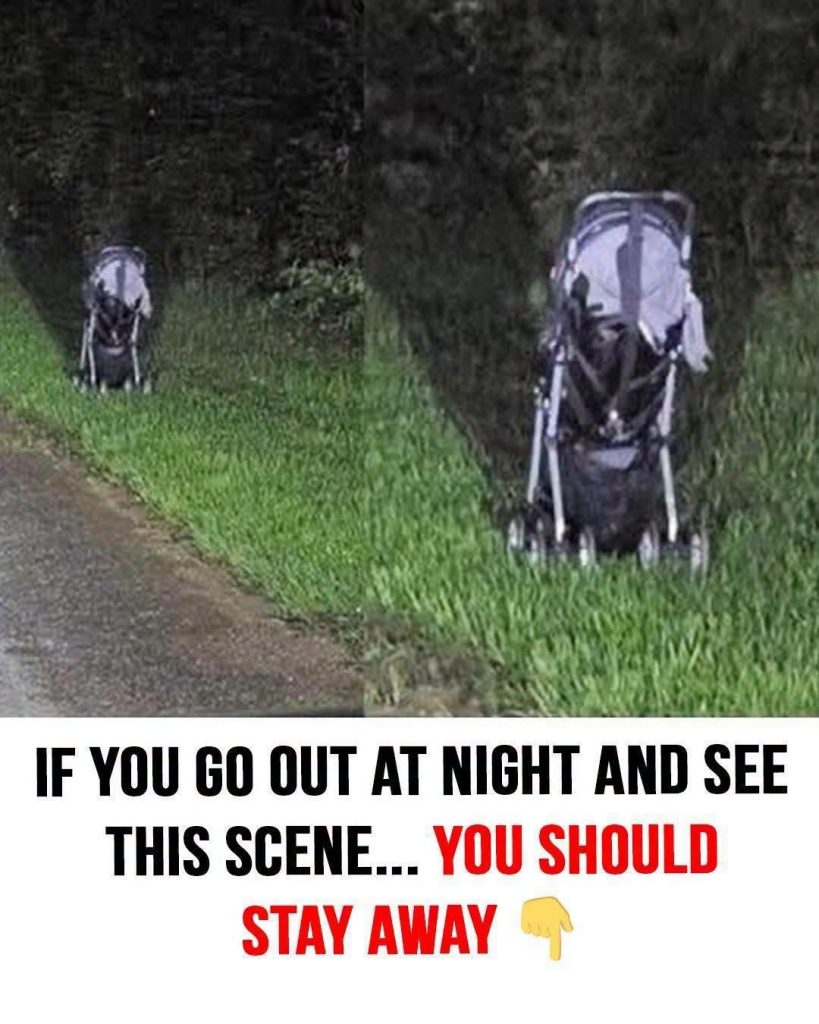
Imagine driving along a quiet road when you notice what appears to be an abandoned baby stroller sitting near the shoulder. Your first instinct might be to stop immediately and check whether someone needs help. After all, protecting a child is a natural human response.
Stories circulating online sometimes claim that abandoned strollers, car seats, or similar items are deliberately used to lure drivers out of their vehicles as part of organized crimes. These posts often include dramatic language or references to surveillance footage, encouraging readers to remain inside their cars.
While staying aware of your surroundings is always good advice, it is equally important to distinguish between verified public safety guidance and viral anecdotes that lack supporting evidence. Understanding the difference helps people respond safely without spreading unnecessary fear.
What Does the Viral Story Claim?
The article describes a quiet neighborhood where a seemingly ordinary situation allegedly turned into a frightening encounter.
According to the story:
- An abandoned stroller was left near the roadside.
- Someone was reportedly waiting nearby.
- The event later became known through video footage.
- Authorities supposedly reminded residents to stay alert.
- The community responded by looking out for one another.
However, the article does not identify:
- The location where the incident occurred.
- The date of the event.
- The law enforcement agency involved.
- Any official investigation.
- Any publicly available police report.
Without these details, the story cannot be independently verified.
Are Abandoned Strollers Common Criminal Traps?
There is no evidence that abandoned strollers are a common or widespread tactic used in organized crime.
Law enforcement agencies occasionally warn the public about scams or suspicious situations, but many viral social media posts combine isolated anecdotes with speculation.
Safety experts generally recommend evaluating every situation individually rather than assuming any specific object automatically indicates criminal activity.
What Should You Do If You See an Abandoned Stroller?
If you notice an unattended stroller or another object that makes you concerned, prioritize your own safety while also considering the possibility that someone may genuinely need assistance.
Reasonable steps include:
Stay Observant
Look around carefully before taking any action.
Notice:
- Nearby people
- Traffic conditions
- Whether someone appears to be searching for the stroller
- Any obvious signs of an emergency
Avoid Creating Additional Risk
Do not place yourself in an unsafe position by stopping in dangerous traffic or entering isolated areas unnecessarily.
Contact Emergency Services When Appropriate
If you genuinely believe a child or another vulnerable person could be in danger, contact local emergency services immediately and explain exactly what you observed.
Trained responders are equipped to assess the situation safely.
Follow Instructions From Authorities
If emergency dispatchers ask you to remain nearby or provide additional information, follow their guidance whenever it is safe to do so.
Why Our Brains React Quickly to These Stories
Humans naturally pay close attention to situations involving children.
Psychologists describe this as part of our protective instincts.
Stories involving babies, families, or unexpected danger often spread rapidly because they trigger strong emotional responses.
This does not necessarily mean the stories are inaccurate, but it does mean readers should pause before assuming every viral warning represents a widespread threat.

How Viral Safety Warnings Spread
Social media posts often become popular because they contain:
- Emotional storytelling
- Dramatic headlines
- Urgent language
- Vague references to unnamed authorities
- Advice encouraging immediate sharing
Sometimes these posts begin with a real event but gradually become exaggerated as they are reposted.
Checking whether a warning has been confirmed by local police or other official agencies helps prevent misinformation from spreading.
Practical Personal Safety Tips
Whether walking or driving, general safety practices remain valuable.
Consider these habits:
Keep Your Phone Accessible
Ensure you can contact emergency services if necessary.
Stay Aware of Your Surroundings
Avoid distractions when stopping along unfamiliar roads.
Trust Your Judgment
If a situation feels unusual, keep a safe distance while contacting appropriate authorities.
Share Accurate Information
If you receive alarming safety claims online, verify them before forwarding them to others.
The Value of Community Awareness
One positive message from the story is the importance of neighbors looking out for one another.
Communities become stronger when people:
- Report genuine concerns.
- Support vulnerable neighbors.
- Share verified safety information.
- Cooperate with local authorities.
- Remain attentive without creating unnecessary panic.
Simple acts of awareness often contribute to safer neighborhoods.
Balancing Compassion and Caution
Finding an unattended stroller could represent many different situations.
It could be:
- Lost property.
- Something accidentally left behind.
- Part of an unrelated incident.
- A situation requiring emergency assistance.
Responding thoughtfully means balancing compassion with personal safety rather than assuming either the best or the worst.
Conclusion
Stories about abandoned strollers and roadside dangers often capture attention because they appeal to our instinct to protect others. While it is wise to remain alert in unfamiliar situations, there is no reliable evidence that abandoned strollers are a common or routine criminal tactic. Instead, the safest approach is to assess the situation carefully, avoid unnecessary risks, and contact emergency services if you believe someone may need immediate help.
Human curiosity naturally draws us to dramatic warnings, especially those involving vulnerable people. But informed decisions are best guided by verified information, practical safety habits, and a willingness to help responsibly. By combining awareness with critical thinking, we can protect ourselves while remaining compassionate toward others who may genuinely need assistance.

Sources
- National Crime Prevention Council. https://www.ncpc.org/
- International Association of Chiefs of Police. https://www.theiacp.org/
- Ready.gov – Personal emergency preparedness guidance. https://www.ready.gov/
- Federal Bureau of Investigation (FBI). Public safety resources. https://www.fbi.gov/
- Primedailys. If you find an abandoned stroller at the roadside, here’s why you might want to wait before getting out of your vehicle (viral story; specific claims are not independently verified).