

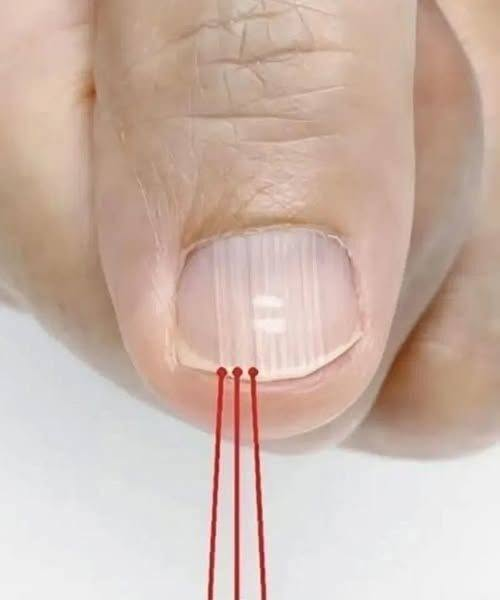
If You Have These Lines on Your Nails After 40, It Is a Clear Sign That…
Noticing changes in your nails can sometimes trigger anxiety, especially as you get older. After the age of 40, it is common to observe thin vertical ridges running from the nail bed to the tip of the nail. While many of these changes are a harmless aspect of the aging process, certain alterations in the nail’s appearance warrant closer attention. This article explores the significance of vertical lines on your nails, identifies which changes are normal, and provides guidance on when you should consider consulting a healthcare professional. Drawing upon expert opinions and the latest research, we’ll help you distinguish between benign nail variations and those that might indicate an underlying health condition.
The Structure and Growth of Fingernails
Your fingernails are made primarily of keratin, a resilient protein also found in your hair and skin. Nails grow out from beneath the cuticle at an area called the nail matrix, which produces new nail cells. As new cells form, older cells are pushed out, resulting in the visible nail plate. Healthy nails have a consistent color and smooth texture, but various internal and external factors can lead to changes over time.
Nail changes can sometimes be the first visible clue to broader health concerns because nails reflect underlying processes such as aging, nutritional status, and certain diseases. Understanding what causes lines and ridges is the first step in determining their significance.
What Are Vertical Nail Ridges?
Vertical ridges, also known as longitudinal striations or onychorrhexis, appear as fine raised lines running from the cuticle to the tip of the nail. These ridges become more pronounced with age, particularly after 40, as nail cell turnover slows down.
Dermatologists note that these lines are generally harmless. According to the Mayo Clinic, mild longitudinal ridging is a common, age-related change and is usually not cause for concern unless accompanied by other symptoms.
Why Do Vertical Ridges Become More Noticeable With Age?
As you get older, your body undergoes a variety of changes, and your nails are no exception. The process of keratinization, in which new nail cells harden, slows down over time. This results in less efficient nail growth, leading to visible longitudinal ridges. Nutrient absorption might also decline due to age-related changes in the digestive system, further impacting nail health.
Other benign factors contributing to nail ridges include minor injuries to the nail matrix and frequent exposure to water or chemicals, which can dry out the nail plate, making imperfections more visible.
When Should You Worry About Nail Changes?
While most vertical ridges are a normal part of aging, certain changes in your nails require closer inspection. Experts emphasize that the presence of new, dramatic alterations in nail appearance — especially if they develop suddenly — should not be ignored.
- Color Changes: Lines that are dark brown, black, or red, or spots of color appearing under the nail that cannot be explained by trauma.
- Changes in Texture: Nails that become pitted, crumbly, or split easily may indicate underlying disease.
- Changes in Thickness or Shape: Unusual thickening, curving, or clubbing of the nails may signal systemic issues.
- Pain, Swelling, or Redness: Inflammation around the nail bed, pain, or visible infection may require urgent medical attention.
Common Causes of Nail Lines and Ridges
Understanding the potential causes of nail changes can help you make informed decisions about when to seek advice and what to expect from your healthcare provider.
Benign Causes
- Aging: Vertical ridges are a common side effect of the body’s natural aging process.
- Minor Injuries: Accidents like hitting your fingernail or repeated pressure may cause temporary changes.
- Dehydration: Nails, like skin, can become dry and brittle if you are not adequately hydrated.
- Nutrient Deficiencies: Insufficient intake of biotin, iron, zinc, or vitamin B12 can contribute to nail ridges, although this is less common in well-nourished adults.
Concerning Causes
- Systemic Diseases: Conditions such as thyroid disorders, diabetes, or cardiovascular disease can sometimes affect nail growth.
- Skin Disorders: Psoriasis, eczema, and lichen planus sometimes visibly impact the nail matrix, causing ridges or pitting.
- Infections: Fungal or bacterial infections can discolor, thicken, or deform the nail.
- Melanoma: Rare but serious, a dark line or stripe (called longitudinal melanonychia) on your nail can be caused by subungual melanoma, a type of skin cancer that needs immediate assessment.
Expert Insight: What Do Dermatologists Say?
Experts universally recommend that changes isolated to the nails are rarely a signal of serious, life-threatening illness, but certain patterns should be checked. The American Academy of Dermatology (AAD) suggests that vertical ridges in the absence of other changes are considered a natural part of aging. However, unexpected or rapid transformations, particularly those involving color or structure, should be evaluated to rule out more serious problems.
According to Dr. Shari Lipner, a dermatologist at Weill Cornell Medicine, most nail ridges are a cosmetic concern rather than a medical one. But she advises that patients be on the lookout for warning signs including dark streaks, severe crumbling, or painful swelling. If any of these accompany your nail changes, prompt medical review is essential.
Gender, Ethnicity, and Nail Changes
Your age, skin tone, and genetics all influence nail health and appearance. People of African, Asian, or Mediterranean descent are more likely to develop noticeable pigment bands on their nails, known as melanonychia, which are usually benign but should be evaluated if they appear suddenly or change over time.
Women may also see changes to their nails at times of hormonal shifts — including menopause, pregnancy, or as a result of certain medications. Understanding your family history and personal risk factors is crucial when interpreting nail changes.
Healthy Nail Care After 40
For most adults, routine nail maintenance can help preserve nail health and minimize the impact of age-related changes. Here are some tips supported by dermatologists and health organizations:
- Moisturize your hands and nails regularly, especially after washing.
- Avoid biting your nails or picking at your cuticles, as this can cause trauma and infection.
- Use gentle, non-acetone-based nail polish removers and limit exposure to harsh chemicals.
- Trim nails regularly and file down rough edges to prevent snags and splits.
- Wear gloves when engaging in tasks that involve prolonged water exposure or chemicals, such as dishwashing or gardening.
When to See a Doctor About Nail Changes
Although most nail changes are benign, you should make an appointment with a healthcare provider if you experience the following:
- Sudden appearance of dark streaks, color changes, or bands on one or more nails.
- Painful, swollen, or discolored fingertips and nail beds.
- Separation of the nail from the nail bed, especially if associated with symptoms of infection (such as pus, redness, or warmth).
- Multiple nails showing dramatic, unexplained changes in a short period.
During your appointment, a dermatologist may review your medical history, examine your nails, and, if necessary, order laboratory tests or a biopsy to determine the cause.
International Perspectives and Societal Awareness
Around the world, awareness of the link between nail health and systemic disease is increasing. Public health campaigns in several countries highlight nail changes as one of the many subtle signs of potentially important medical conditions. Nonetheless, not all societies place the same emphasis on nail examination during routine health check-ups.
In cultures where alternative medicine is prevalent, nail diagnosis (onychodiagnosis) has historical roots, although modern medicine relies on clinical observation and laboratory testing for definitive diagnosis.
Key Takeaways
Thin vertical lines on your nails after 40 are extremely common and usually reflect natural aging. However, watch for any significant or sudden changes in color, thickness, or texture of your nails, which can occasionally indicate underlying medical issues. If you have questions or concerns, consult a dermatologist who can provide a thorough assessment.
Regular nail care, a nutritious diet, and vigilance about new changes are the most effective strategies for maintaining nail health at any age.
Disclaimer: This content is intended for entertainment purposes only and is not based on real events.