


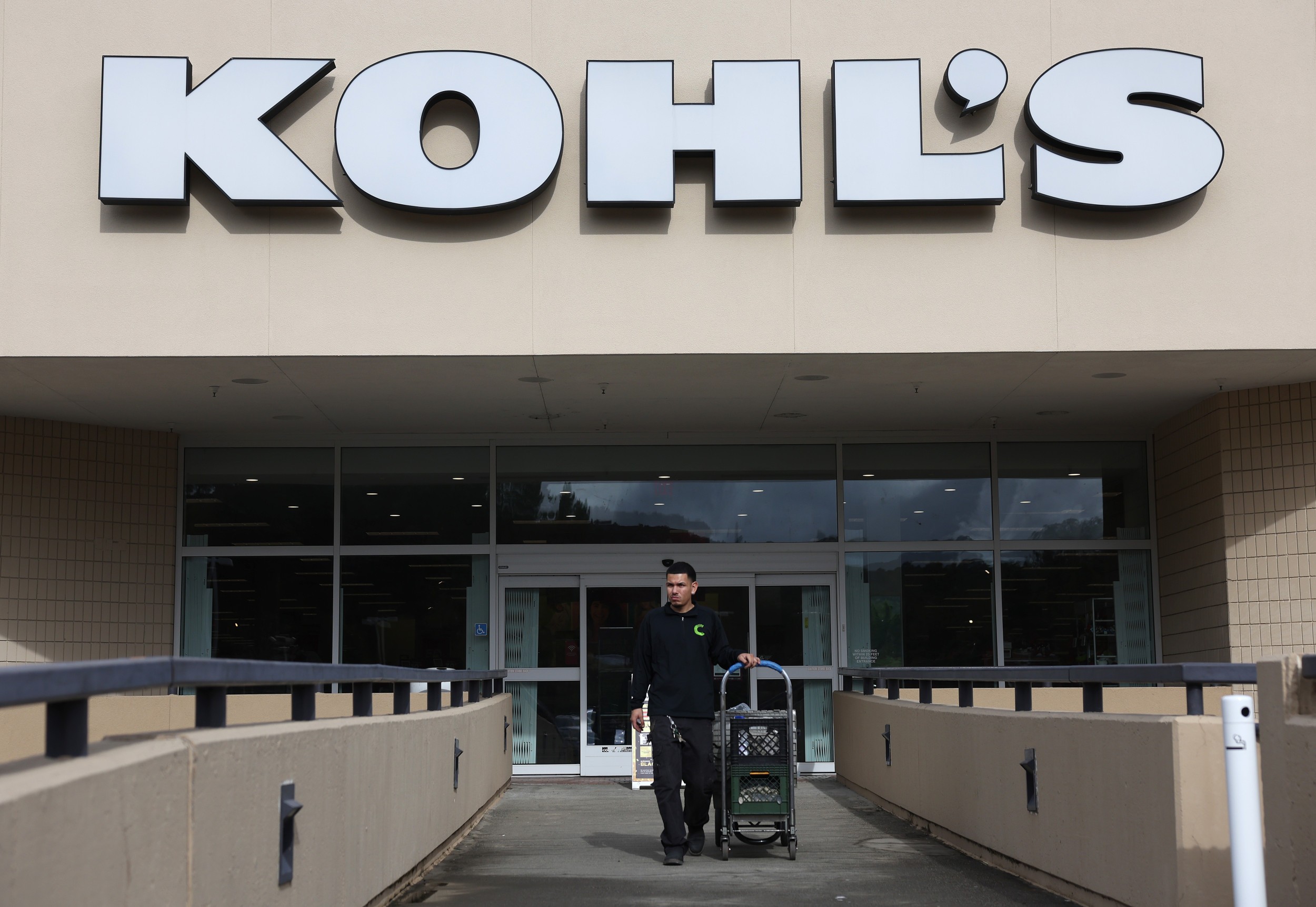
Kohl’s just pulled the trigger—and thousands of shoppers never saw it coming.
Twenty-seven stores across 13 states are set to vanish, even as the company insists its future is “stronger than ever.” At the same time, the CEO is stepping aside, a new leader is stepping in, and the clock is ticking toward Apr…
The Anatomy of a Strategic Retreat: Why Legacy Retail Is Shrinking to Grow
In modern brick-and-mortar retail, closing stores used to signal terminal decline. Today, however, retail analysts view disciplined footprint reduction—often called “right-sizing”—as an essential survival mechanism. With over 1,100 locations nationwide, Kohl’s built its empire on off-mall suburban convenience, offering middle-income families a one-stop destination for apparel, home goods, and small appliances.
Yet consumer shopping habits have fractured permanently. Shoppers no longer browse massive department store aisles out of weekend habit. Instead, they split their spending between ultra-fast e-commerce giants, off-price treasure-hunt chains like TJ Maxx and Ross, and big-box discounters like Walmart and Target.
When a handful of locations consistently drain cash flow, tie up working capital in unsold inventory, and divert management attention, keeping them open weakens the entire network. By shutting down 27 underperforming stores—alongside an e-commerce fulfillment center in San Bernardino, California—Kohl’s is freeing up millions in operating capital to fortify the profitable stores that remain.
The Leadership Handoff: What Ashley Buchanan Brings to the Table
Timing a major store closure wave alongside a C-suite transition is no coincidence. Passing the baton from retail veteran Tom Kingsbury to Ashley Buchanan—former CEO of The Michaels Companies and a seasoned Walmart e-commerce executive—signals a decisive shift from stabilization to aggressive modernization.
Buchanan’s background combines two critical skill sets: deep operational mastery of physical specialty stores (from his tenure leading Michaels through pandemic disruptions and digital reinvention) and enterprise-scale e-commerce strategy (honed during more than a decade at Walmart). His mandate at Kohl’s is clear: bridge the gap between physical convenience and digital speed without alienating the core value-conscious shopper.
The “Middle-Market Squeeze” and the Battle for Relevance
Kohl’s biggest structural challenge is not a lack of brand recognition; it is occupying the treacherous middle ground of American retail.
-
Pressure From Below: Off-price retailers thrive during periods of household budget strain by offering steep, immediate discounts without complicated loyalty math. Meanwhile, dollar stores and mass discounters capture everyday essentials.
-
Pressure From Above: Direct-to-consumer brands and specialty beauty or athletic chains command fierce brand loyalty and full-price margins.
-
The Coupon Paradox: For decades, Kohl’s trained customers to never pay full price, relying on “Kohl’s Cash” and stacked percentage-off coupons. While beloved by loyalists, that promotional model often confused younger shoppers who prefer transparent, everyday value—and compressed profit margins when inflationary costs rose.
To break out of this squeeze, Kohl’s has leaned heavily into strategic partnerships. Bringing Sephora shops inside hundreds of Kohl’s locations proved that younger, beauty-focused shoppers will gladly walk through Kohl’s doors when the right brand magnet is waiting inside. Expanding into baby gear through Babies “R” Us and refreshing home décor and gifting zones represent attempts to replicate that foot-traffic magic across other life stages.
The Human Cost Behind Corporate Restructuring
Behind every press release praising “operational efficiency” and “portfolio optimization” sits a very real community impact. For thousands of store associates, regional managers, and warehouse workers across the affected states, a closure announcement triggers immediate anxiety about livelihoods, commutes, and severance transitions.
For loyal local shoppers—particularly older residents or families in suburban towns where Kohl’s served as an anchor store—losing a neighborhood location means losing a familiar gathering spot, a convenient place to drop off Amazon returns, and an accessible retail hub. While Kohl’s has emphasized offering severance packages or transfer opportunities to nearby locations where possible, the emotional friction of store closures underscores how deeply regional department stores are woven into American suburban life.
Can a 1962 Icon Reinvent Itself for the Next Decade?
Retail history is littered with iconic department store chains—from Sears to Bed Bath & Beyond—that waited too long to confront changing realities, clinging to bloated real estate footprints until bankruptcy became inevitable. Viewed through that lens, Kohl’s decision to act proactively while still profitable reflects hard-won industry wisdom.
Closing 27 stores will not single-handedly solve sluggish apparel demand or fierce digital competition. Everything now depends on execution: whether Ashley Buchanan can streamline inventory, simplify pricing, energize store layouts, and make Kohl’s feel indispensable again to busy households. Trimming the branches is only the first step; proving that the roots remain strong enough to grow in a transformed retail world is the real test ahead.