

Man Who Injected Semen Into His Arm in Attempt to Relieve Back Pain Was Hospitalized, Case Report Shows
A published medical case report from Ireland has drawn renewed attention to the risks of unproven home remedies and unsupervised attempts to treat chronic pain. The report described an adult man who repeatedly injected his own semen into his arm over an extended period because he believed it could help relieve lower back pain.
The unusual case was documented in the Irish Medical Journal and is not evidence that the practice has any health benefit. On the contrary, clinicians involved in the report described complications affecting the man’s arm, while the underlying back pain still required medical assessment.
Medical experts say the case offers a broader public-health lesson: persistent pain can be frustrating and exhausting, but injecting any non-sterile substance outside a clinical setting can cause serious harm. Treatments should be guided by qualified healthcare professionals and based on evidence of safety and effectiveness.
What the Medical Case Reported
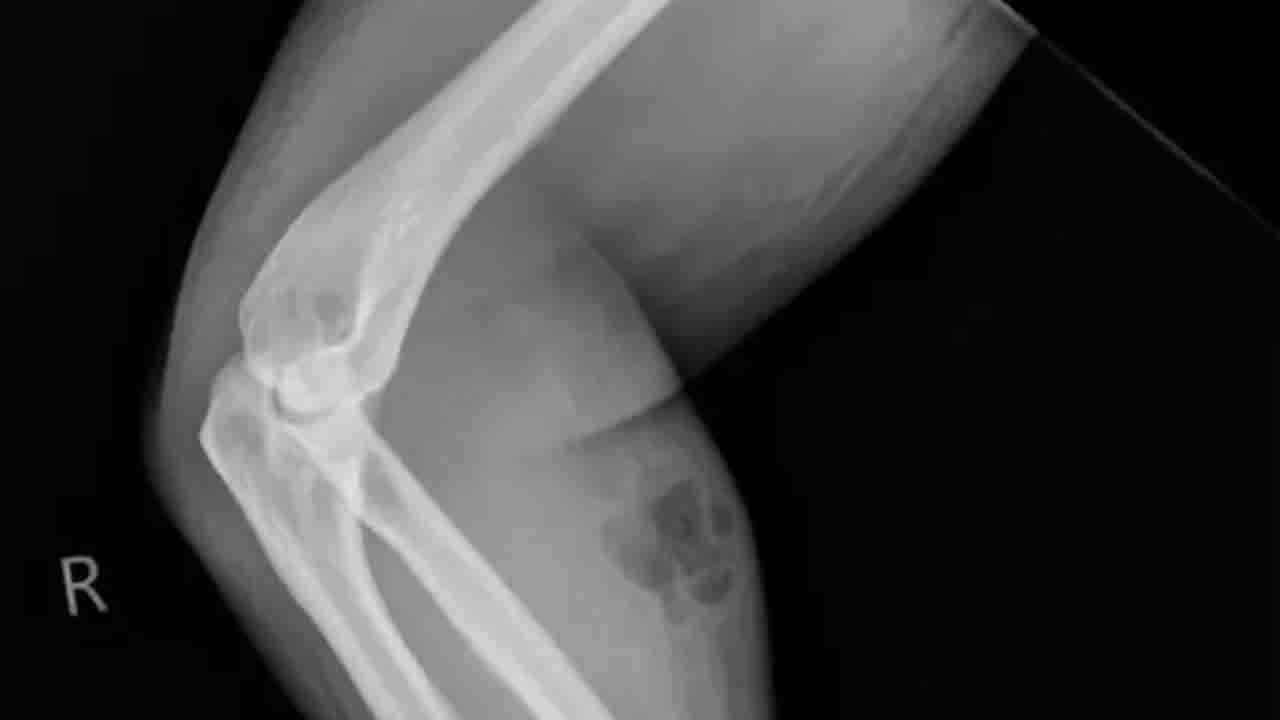
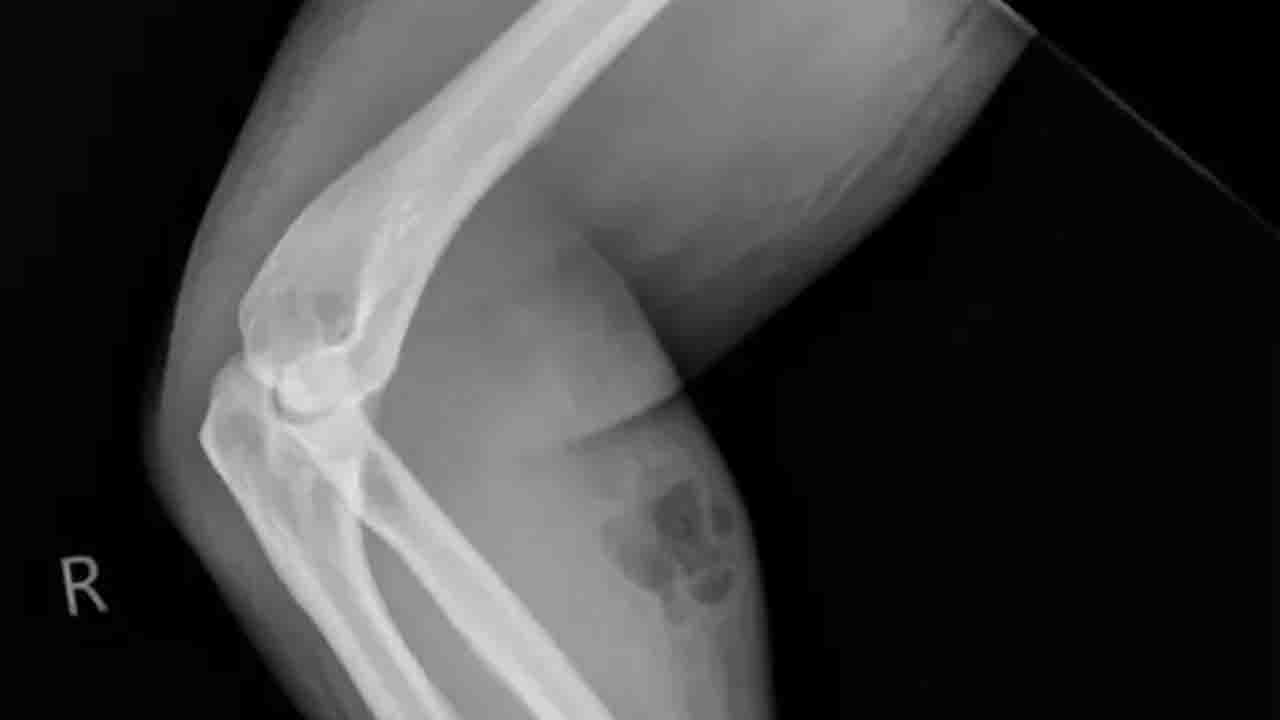
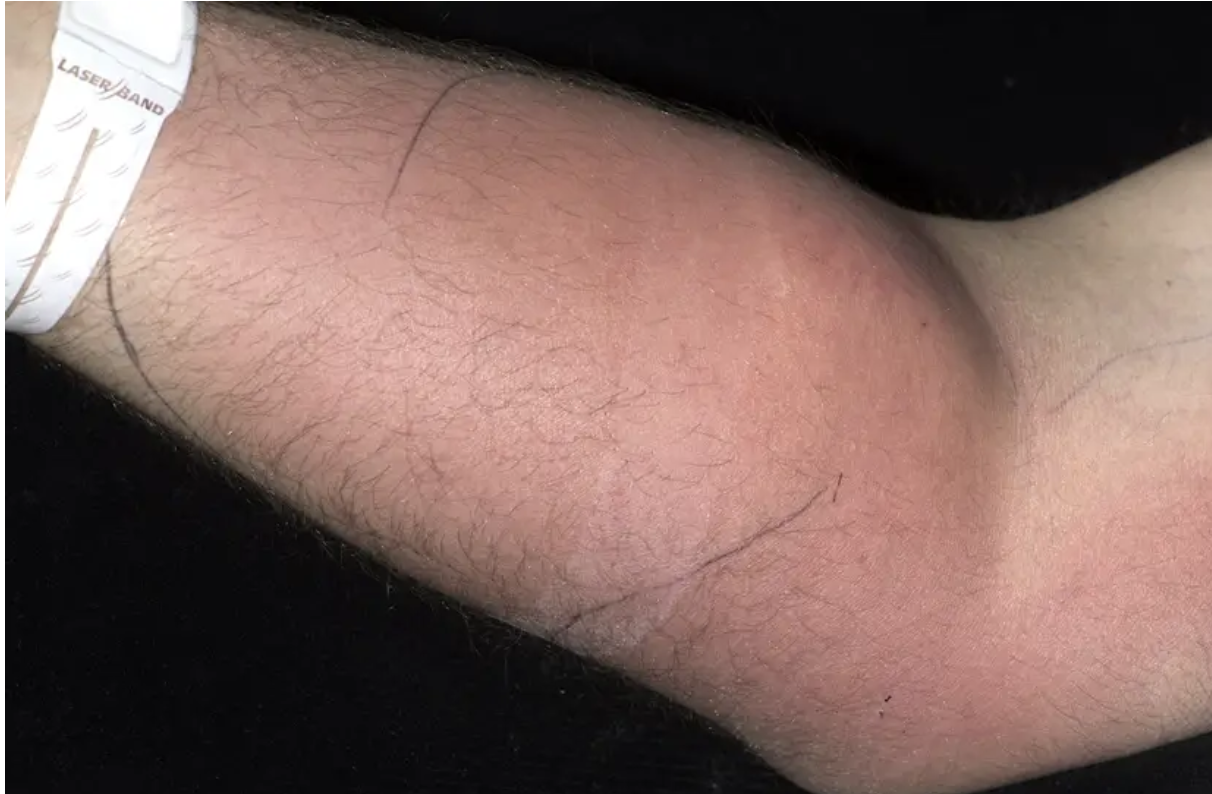
According to the case report, the patient attended hospital with severe lower back pain after trying to manage symptoms on his own. During assessment, clinicians found that his forearm was swollen and inflamed. He later disclosed that he had been injecting semen into the area for approximately 18 months in the belief that it would improve his back pain.
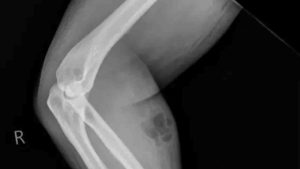
Imaging of the arm identified pockets of air in the soft tissue. The report described this as subcutaneous emphysema, a term used when air becomes trapped beneath the skin. The patient also had signs of infection or inflammation in the arm. The findings prompted concern because soft-tissue swelling and air under the skin can require urgent medical evaluation.
The authors of the report emphasized that they found no scientific basis for the treatment the patient had attempted. The case was presented as an example of a dangerous and unconventional self-treatment, not as a recommended approach for pain or any other medical condition.
Published case reports are important in medicine because they can alert clinicians to rare presentations, unexpected complications, and emerging health concerns. However, one case does not establish how common a behavior is or prove a direct outcome in every situation. Its value is in documenting what clinicians observed and reinforcing established safety principles.
Why Injecting Non-Sterile Substances Can Be Dangerous
Healthcare professionals warn that injections should only be given when medically indicated and performed with appropriate sterile equipment, technique, and oversight. The skin acts as a protective barrier against bacteria and other microorganisms. Breaking that barrier can introduce infection, cause tissue injury, or lead to complications that are difficult to treat.
Injecting a bodily fluid is particularly unsafe because bodily fluids are not sterile medications. They are not prepared, tested, dosed, or administered under the safety standards used in healthcare settings. There is no accepted medical evidence that injecting semen treats back pain, muscle pain, inflammation, or spinal conditions.
Possible complications from unsafe injection practices can include local inflammation, skin and soft-tissue infection, abscesses, damage to blood vessels or nerves, and air entering tissue. In some circumstances, infections can spread beyond the original injection site and become more serious. The specific risk depends on factors including the substance used, equipment, injection site, hygiene, and a person’s underlying health.
Subcutaneous emphysema itself is not a diagnosis to ignore. It can occur for a range of reasons, including trauma, medical procedures, infections, and injuries affecting the chest or airways. Clinicians need to determine its cause because treatment depends on the underlying problem. Anyone who develops swelling, pain, redness, warmth, fever, numbness, or unusual crackling sensations under the skin should seek prompt medical advice.
Chronic Back Pain Can Lead People to Seek Unproven Remedies
Back pain is one of the world’s leading causes of disability. The World Health Organization has reported that hundreds of millions of people live with low back pain globally, and it can affect mobility, work, sleep, mental wellbeing, and everyday activities. For some people, symptoms improve within weeks. For others, pain can persist or return over months or years.
That burden can leave people vulnerable to misinformation. Online posts, anecdotal testimonials, and misleading health claims may make unconventional treatments appear credible, especially when a person feels they have not found relief through previous care. But popularity on social media or a personal story is not the same as reliable medical evidence.
Evidence-based care does not mean every patient receives the same treatment. Back pain has many possible causes, including muscle strain, joint problems, nerve irritation, osteoporosis-related fractures, inflammatory conditions, and, less commonly, serious illness. A clinician can assess symptoms, medical history, physical function, and warning signs before advising on the most appropriate next steps.
For many cases of non-specific low back pain, professional guidance may include staying as active as symptoms allow, gradual exercise, physiotherapy, education about pain management, and short-term use of appropriate medication when needed. The best approach depends on the person and should be discussed with a doctor, physiotherapist, or other qualified clinician.
Evidence-Based Approaches to Managing Back Pain
Health authorities generally recommend avoiding prolonged bed rest for uncomplicated back pain. Gentle movement and a gradual return to normal activities can be helpful for many people, although severe symptoms should always be assessed. Structured exercise programs may improve strength, flexibility, and confidence in movement over time.
Physical therapy can be useful when pain affects mobility or daily function. A qualified physiotherapist may recommend exercises tailored to an individual’s symptoms and goals. These plans often focus on movement, strengthening, posture, pacing activities, and helping people return safely to work or hobbies.
Medication may be appropriate in some situations, but it is not risk-free and should be considered with professional advice. Clinicians may take account of a patient’s age, medical conditions, other medicines, and the likely cause of pain. Stronger pain medicines are not automatically the best solution for persistent back pain and can carry significant risks if used inappropriately.
Some people also benefit from support for the emotional effects of chronic pain. Ongoing symptoms can contribute to stress, low mood, anxiety, isolation, or sleep problems. Psychological therapies and pain-management programs can help people develop practical coping strategies alongside physical treatment. Seeking this support is a valid part of comprehensive healthcare, not a sign that pain is “all in the mind.”
When Back Pain Needs Urgent Medical Attention
Most back pain is not caused by a medical emergency, but some symptoms need urgent assessment. The UK National Health Service advises people to seek emergency care for back pain accompanied by new problems controlling bladder or bowel function, numbness around the genitals or buttocks, weakness or numbness in both legs, or symptoms following a serious accident.
Medical advice should also be sought promptly when back pain is accompanied by fever, unexplained weight loss, a history of cancer, significant trauma, pain that is severe or worsening, or pain that does not improve as expected. These signs do not always indicate a serious condition, but they can help clinicians identify people who need further tests or treatment.
Anyone with a suspected injection-related injury should be honest with medical staff about what happened. Healthcare professionals need accurate information to make safe decisions, and medical consultations are intended to support treatment rather than judgment. Delaying care because of embarrassment can allow preventable complications to worsen.
Why Reliable Health Information Matters
The Irish case underscores an important distinction between curiosity and safe healthcare. People may encounter claims about “natural,” homemade, or experimental remedies online, but a treatment should not be assumed safe simply because it is widely shared, inexpensive, or described as personal experience.
Reliable health information should identify its evidence, acknowledge uncertainty, and avoid promises of quick cures. Claims that a product or practice can treat many unrelated conditions, works without risks, or replaces medical care should be treated cautiously. Trusted sources include national public-health agencies, major medical institutions, peer-reviewed research, and licensed healthcare professionals.
It is also important to recognize the human context behind unsafe self-treatment. Chronic pain can be isolating, and patients may feel dismissed when symptoms persist. Clear communication, access to primary care, appropriate referrals, and compassionate pain management can help reduce the likelihood that people turn to dangerous misinformation.
Key Takeaway
The reported case does not support the use of unconventional injections for back pain. It demonstrates the opposite: injecting non-sterile substances can lead to avoidable complications and does not replace assessment or treatment by qualified professionals.
People living with persistent back pain should discuss their symptoms with a healthcare professional, particularly if pain is severe, worsening, affects daily life, or is accompanied by warning signs. Evidence-based care may not always offer an instant solution, but it is the safest route to understanding the cause of pain and building an appropriate treatment plan.
This article is for general information only and is not medical advice. If you have concerns about back pain, an injury, or any new symptoms, consult a qualified healthcare professional or seek urgent care when appropriate.
Sources
- Irish Medical Journal — published medical case report and clinical journal information.
- World Health Organization — low back pain facts, prevalence, and public-health context.
- NHS — back pain guidance and symptoms that require urgent assessment.
- Centers for Disease Control and Prevention — injection safety information.
- Mayo Clinic — overview of back pain symptoms, causes, and when to seek care.
Disclaimer: This content is intended for entertainment purposes only and is not based on real events.