

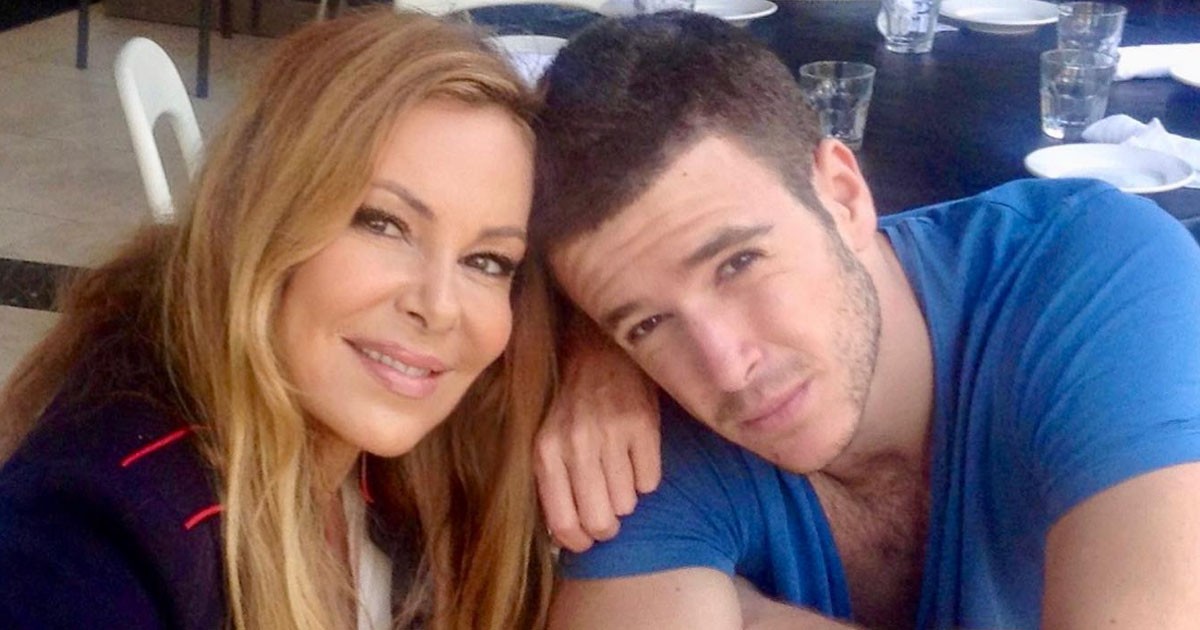
Ana Obregón, 71, Drew Widespread Attention When She Used Her Deceased Son’s Sperm to Have His Child After He Died from Cancer. Now, Three Years Later, She Has Shared an Update.
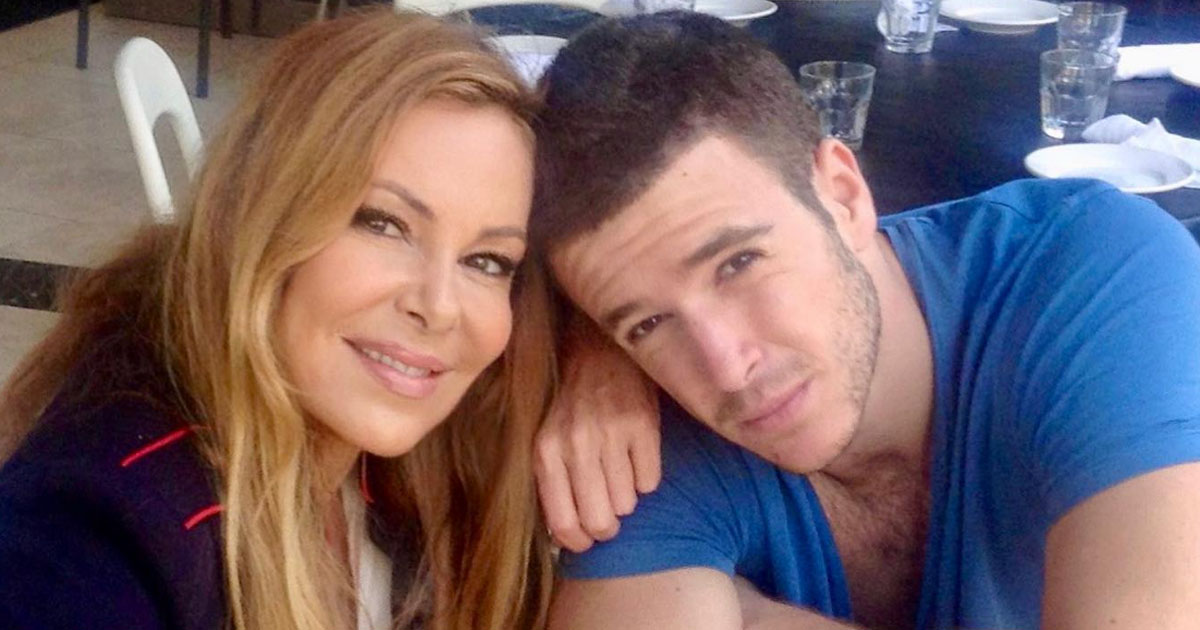
Ana Obregón, the Spanish actress and television personality, made international headlines when she fulfilled her late son Aless Lequio’s reported wish to have a child posthumously using his frozen sperm. Now, three years after this unprecedented and highly debated journey, Ana Obregón has shared a new update on her life and her granddaughter, Anita Sandra.
The Emotional Background: A Mother’s Grief and a Final Wish
Ana Obregón experienced a deeply personal tragedy when her only child, Aless Lequio, died in 2020 at the age of 27 after a battle with cancer. During his fight with the disease, Aless reportedly expressed his desire to become a father, a wish he would not live to fulfill. According to Obregón, before undergoing treatment, Aless arranged for his sperm to be frozen—a precaution that some cancer patients take when faced with treatments that can impact their fertility.
After Aless’ passing, Obregón resolved to honor what she describes as his “last wish”. Through in vitro fertilization, his frozen sperm was used in combination with a donor egg, and a gestational surrogate carried the pregnancy. This journey resulted in the birth of Anita Sandra in 2023.
Surrogacy and Legal Complexities: The International Dimension
Spain, Obregón’s home country, has strict laws prohibiting all forms of surrogacy, regardless of the familial situation. Given this legal barrier, Obregón underwent the surrogacy process in the United States, where regulations on assisted reproductive technology vary by state. This international arrangement is a route sometimes taken by citizens of countries where surrogacy is banned or highly restricted.
The challenges did not end there. After Anita’s birth, Ana Obregón faced additional legal and bureaucratic hurdles in registering the child in Spain, given the country’s stance on surrogacy. Ultimately, after careful navigation of both U.S. and Spanish laws, Anita Sandra became a part of the family, with Obregón publicly clarifying that her relationship to the child is that of a grandmother, not a mother. “The girl isn’t my daughter; she’s my granddaughter. It was Aless’ last wish to bring a child into the world,” Obregón stated in an interview with ¡Hola! magazine.
International Reaction: Ethics, Society, and Media Debate
Obregón’s story quickly became a subject of global discussion. The reaction reflected both admiration and criticism, revealing societal differences concerning posthumous conception, surrogacy, and the evolving definitions of family.
Critics questioned the ethics of using a deceased person’s genetic material, especially concerning consent, the future well-being of the child, and the legal implications for inheritance and parental rights. Organizations supporting children’s rights voiced concerns about the potential psychological impacts on children born under such circumstances and the motivations behind posthumous parenthood decisions.
Conversely, many sympathized with Obregón’s decision, commending her for honoring her son’s wishes and for publicly sharing her experience. Some medical ethicists pointed out that provided all legal and ethical consents were obtained prior to Aless’ death, posthumous reproduction can be viewed as a legitimate expression of a family’s grief and hope. Bioethicists highlight the importance of thorough pre-treatment counseling for families in similar situations and clear legal frameworks to protect all parties involved, especially children.
Media coverage of Obregón’s journey has fostered a renewed debate around the world about the need for updated surrogate and posthumous reproduction laws to address technological advances in fertility medicine.
Ana Obregón’s Personal Reflections and Family Life
Since Anita Sandra’s birth, Ana Obregón has shifted her focus toward raising her granddaughter with dedication and love. In heartfelt social media posts, Obregón regularly shares her emotions and thoughts, reflecting on the last three years since Anita’s arrival.
On Anita’s birthday, Obregón wrote, “Three years ago today you were born. Three years ago today I came back to life by hugging you for the first time. Because in doing so, I also hugged a piece of your daddy.” She expressed the impact Anita has had on her life: “You’ve filled my dark world and my hell with lights, smiles, rubs, hugs, diapers, pacifiers and toys all over the house. You are good, smart, sensitive, and you have the same sense of humor as your father.”
Obregón has also publicly expressed a desire to be open with Anita about her unique origins when the time is right. “One day I will tell you why you are here. I will tell you about the bravery of your dad and the life lesson he gave us all. I’ll tell you how much I dreamed of hugging you, caring for you, and loving you even though now he does it from heaven. I pray to God that you have good health and are happy for many more years. Always together, the three of us.”
Obregón often honors both Aless and Anita in her posts. She recently shared a touching photo of Anita in a Superman costume alongside a childhood picture of Aless, emphasizing her love for the two “superheroes” in her life while respecting her granddaughter’s privacy by covering the girl’s face. “I am lucky enough to love my two super heroes with all my soul,” Obregón wrote.
The Broader Context: Fertility Preservation and Posthumous Reproduction
Obregón’s story has cast a spotlight on the growing practice of fertility preservation for patients undergoing life-altering medical treatment. Oncology patients and their families are increasingly counseled on options such as sperm or egg freezing before aggressive cancer therapies begin. These advances offer a possibility of future parenthood for those who survive, and, in rare cases, can fulfill a loved one’s wishes after their death—provided clear legal consent has been given beforehand.
Experts in reproductive medicine stress the importance of informed consent and comprehensive counseling for all parties, including potential offspring. According to guidelines from professional societies such as the American Society for Reproductive Medicine, written and witnessed consent specifically addressing the possible use of genetic material after death is critical to avoid ethical dilemmas and legal disputes.
Recent years have also seen a rise in calls for legislative updates to address scenarios where reproductive technology enables parenthood beyond customary family structures and timeframes. The case of Ana Obregón illustrates the need for international cooperation on issues of surrogacy, custody, and citizenship for children born abroad through assisted means.
Societal Shifts and Evolving Notions of Family
Increasingly, societies around the world are confronting complex questions posed by medical advances in reproductive technology. With individuals experiencing longer lifespans and delayed parenthood, and more diverse family arrangements, legal and ethical frameworks are being tested and, in some regions, rewritten.
Public opinion surveys in Europe indicate a split on posthumous reproduction and surrogacy, with attitudes varying widely based on religious beliefs, cultural traditions, and legal history. Some advocacy groups push for more inclusive definitions of family to reflect changing realities, while others caution against moving too quickly and stress the need for child-centered policies as the paramount guiding principle.
The discussion surrounding Ana Obregón’s family journey—marked by both controversy and compassion—serves as a case study for future debates about law, ethics, and the meaning of parenthood in the 21st century.
The Latest Update: Three Years On
Three years after the birth of Anita Sandra, Ana Obregón remains devoted to her role as a grandmother. Her latest statements echo the profound transformation that Anita has brought into her life. Through interviews and social media, she continually celebrates her late son’s memory and the joy Anita brings despite the enduring pain of loss.
Obregón’s story continues to resonate with families who have faced similar tragedies, and with advocates seeking to update reproductive policies while honoring the needs and rights of children.
Her reflections remind the world of the enduring power of love, the complexity of grief and hope, and the evolving ways families respond to extraordinary loss. As technology advances and laws respond, such stories will continue to shape conversations about bioethics, family, and the future.
Conclusion
Ana Obregón’s decision to honor her late son’s posthumous wish, and the legal and ethical labyrinth she navigated as a result, have prompted wider introspection into society’s understanding of parenthood, loss, and new possibilities for family built by love and technology. While her choice was—and continues to be—controversial to some, her openness offers valuable insight into the human impact of modern reproductive medicine and the ways people process grief and legacy.
Sources
Disclaimer: This content is intended for entertainment purposes only and is not based on real events.