
When a family tragedy becomes the subject of national headlines, it often leaves communities searching for answers. Such cases are emotionally difficult and frequently involve complex investigations that unfold over weeks or months as forensic evidence is carefully reviewed.
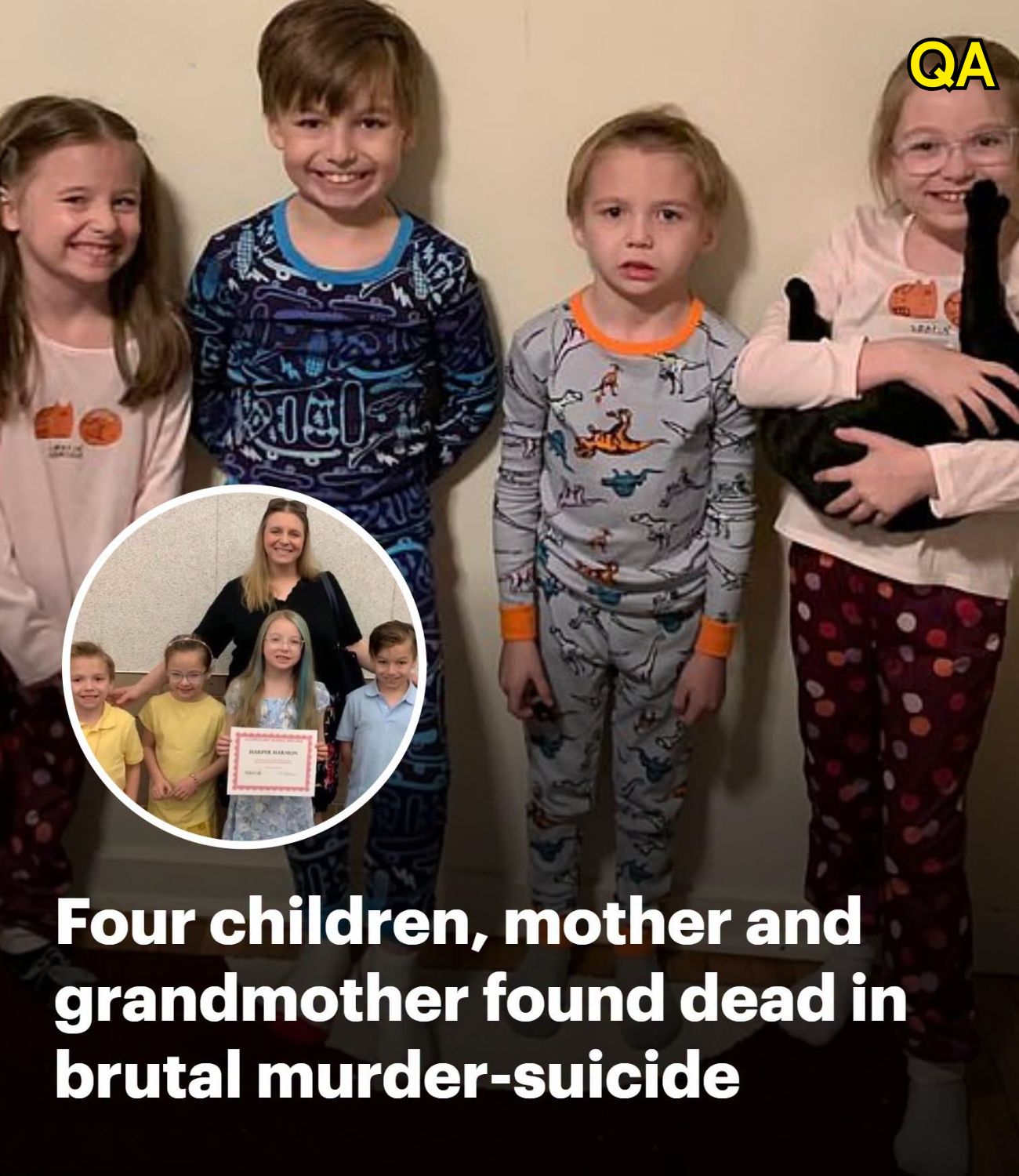
One such case occurred in Mechanicville, New York, where six family members—including four children, their mother, and their grandmother—were found deceased in June 2025. The heartbreaking discovery prompted an extensive investigation by local law enforcement, with officials emphasizing that they would not draw final conclusions until toxicology reports and forensic analyses were complete.
As the investigation progressed, questions emerged regarding prior child welfare concerns, family custody proceedings, and the challenges authorities face when evaluating reports involving children’s well-being. Because the investigation remains subject to official findings, it is important to distinguish confirmed information from allegations, speculation, and opinions expressed by individuals connected to the case.
This article summarizes the publicly reported facts, explains the role of child protective services and forensic investigations, and explores the broader lessons about supporting vulnerable families.
What Happened in Mechanicville?
According to statements from the Mechanicville Police Department, officers discovered six deceased family members inside an apartment in Mechanicville, New York, on June 23, 2025.
Those found were:
- Amy Steadman, 64
- Sarah Myers, 44
- Harper Myers, 13
- Hudson Myers, 11
- Gavin Myers, 10
- Gracelynn Myers, 10
Investigators reported that evidence recovered at the scene suggested a complex sequence of events. Police also stated that the investigation remained active and that final toxicology and forensic testing were still pending.
Officials stressed that they would not release definitive conclusions until all evidence had been reviewed.

Why Investigations Take Time
Cases involving multiple fatalities require extensive forensic examination.
Investigators typically review:
- Toxicology testing
- Medical examiner findings
- Physical evidence
- Prescription records
- Digital evidence
- Witness interviews
- Timeline reconstruction
Because laboratory testing may take weeks or months, law enforcement agencies often avoid drawing premature conclusions.
This careful process helps ensure that public statements accurately reflect the available evidence.
Understanding Child Protective Services
Media reports indicated that Child Protective Services (CPS) had previously investigated concerns related to the children’s living conditions.
Child protective agencies are responsible for evaluating reports involving children’s safety and well-being.
Their responsibilities generally include:
Assessing Reports
Caseworkers gather information after receiving concerns from mandated reporters or community members.
Interviewing Family Members
Investigations may involve conversations with parents, caregivers, educators, healthcare professionals, and children when appropriate.
Determining Risk
The agency evaluates available information to determine whether protective interventions are necessary.
Connecting Families With Services
When appropriate, agencies may recommend counseling, parenting support, healthcare, educational assistance, or community resources.
Not every investigation results in court action or child removal. Outcomes depend on the evidence available during each review.
Custody Disputes and Family Stress
Public reports also referenced an ongoing custody matter involving the children’s parents.
Family courts routinely address questions involving:
- Parenting schedules
- Custody arrangements
- Child support
- Educational decisions
- Family communication
While custody proceedings can be emotionally demanding, the overwhelming majority are resolved peacefully through legal processes.
It is important not to assume that custody disputes alone explain later events in any individual case.

Understanding Munchausen Syndrome by Proxy
Some news reports referenced an earlier investigation involving possible factitious disorder imposed on another (FDIA), historically known as Munchausen syndrome by proxy.
FDIA is a rare mental health condition in which a caregiver may allegedly present or induce illness in another person under their care.
Because it is uncommon and complex, diagnosis requires careful evaluation by qualified medical and mental health professionals.
Importantly:
- News reports about investigations are not equivalent to a medical diagnosis.
- Allegations alone do not establish that someone had the condition.
- Only appropriate clinical evaluation can determine whether diagnostic criteria are met.
In this case, no publicly released investigative findings have established that such a diagnosis was made.
The Importance of Forensic Science
Modern forensic investigations rely on multiple scientific disciplines.
These may include:
Toxicology
Laboratories analyze biological samples to identify medications, chemicals, or other substances.
Pathology
Medical examiners evaluate physical findings to determine cause and manner of death.
DNA Analysis
Biological evidence may help investigators reconstruct events.
Digital Forensics
Electronic devices sometimes provide timelines or communications relevant to investigations.
Each discipline contributes one piece of the overall investigative picture.
Supporting Families Before Crises Occur
Although the details of this investigation remain under review, experts broadly agree that early family support can make a meaningful difference for households experiencing significant challenges.
Helpful community resources may include:
- Mental health services
- Parenting support programs
- Family counseling
- School support teams
- Social service organizations
- Healthcare providers
Access to appropriate assistance can help families navigate periods of stress more effectively.
Responsible Reporting in Ongoing Investigations
Cases involving children receive significant public attention, making accurate reporting especially important.
Responsible journalism generally distinguishes between:
- Confirmed official statements
- Court documents
- Verified evidence
- Allegations
- Opinions expressed by family members
- Unconfirmed speculation
Readers benefit from following updates released by law enforcement rather than relying solely on early reports or social media discussions.

Lessons From the Investigation
While many questions remain unanswered pending official findings, several broader observations emerge.
Investigations Require Patience
Complex forensic cases cannot be resolved immediately.
Child Welfare Depends on Community Awareness
Educators, healthcare professionals, neighbors, and family members all play roles in recognizing when children may need additional support.
Mental Health Services Matter
Access to appropriate mental health care can be an important component of family well-being.
Evidence Must Guide Conclusions
Speculation should never replace verified investigative findings.
Compassion Is Essential
Cases involving children profoundly affect families, first responders, investigators, educators, and entire communities.
Conclusion
The Mechanicville family tragedy remains one of the most heartbreaking investigations in recent years. As authorities continue reviewing forensic evidence and toxicology results, many important questions have yet to receive official answers. Until investigators complete their work, it is essential to distinguish confirmed facts from allegations and avoid drawing conclusions that have not been supported by evidence.
Beyond the investigation itself, the case reminds us of the importance of child welfare systems, accessible mental health resources, and careful, evidence-based reporting. While the circumstances surrounding this tragedy are deeply complex, they also underscore the value of community awareness and early support for families facing significant challenges.
Human curiosity often leads us to seek immediate explanations after difficult events. Yet meaningful understanding comes not from speculation, but from patience, verified evidence, and a commitment to learning how communities can better support children and families in the future.

Sources
- U.S. Department of Health and Human Services – Administration for Children and Families. Child welfare resources: https://www.acf.hhs.gov/
- Child Welfare Information Gateway. Information on child protective services and family support: https://www.childwelfare.gov/
- National Children’s Alliance. Resources on child protection: https://www.nationalchildrensalliance.org/
- American Academy of Pediatrics. Guidance on child health and family well-being: https://www.aap.org/
- New York State Office of Children and Family Services. Child welfare information: https://ocfs.ny.gov/
- Daily Mail. Coverage of the Mechanicville, New York investigation (reporting on an ongoing case; official investigative findings remain pending).