


Driving after 75: a benefit or a risk?
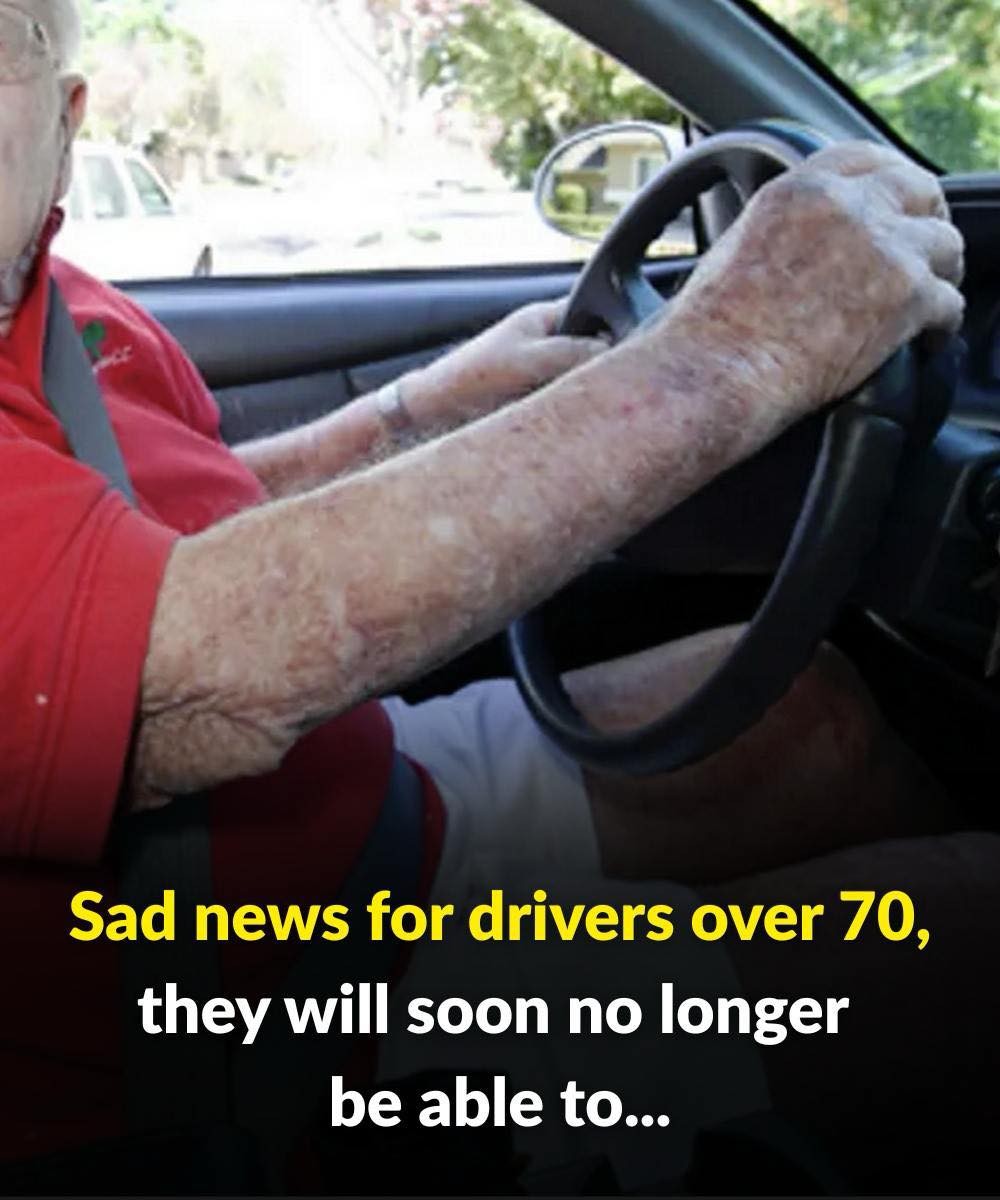
Driving in later life is an important road-safety and public-health question. For many people over 75, a car remains essential for independence, appointments, shopping, family life and participation in their community. At the same time, ageing can affect some of the abilities involved in driving, including vision, reaction time, hearing, mobility and attention. The central issue is not whether every older person should stop driving at a fixed age, but how society can support safe, fair and evidence-based decisions for each individual.
Why driving after 75 is being debated
A serious road collision in La Rochelle renewed public discussion in France about older drivers and the conditions under which they should continue to drive. Reports indicated that an 83-year-old motorist drove in the wrong direction and struck a group of young cyclists, leaving several people injured. Any such incident is deeply concerning, especially when children and families are affected.
However, road-safety specialists generally caution against drawing broad conclusions about an entire age group from one event. Crashes are complex and may involve road design, traffic conditions, health events, distraction, vehicle position, weather, speed and human error. Age alone does not determine whether someone is a safe driver. A healthy, alert and experienced 80-year-old may drive more safely than a younger person who takes risks, drives while fatigued or ignores traffic rules.
The debate nevertheless raises a legitimate question: should there be additional checks for drivers at an advanced age? France currently grants the standard category B driving licence without an automatic expiry date for most private motorists. Unless a licence is restricted, suspended or cancelled following a legal or administrative decision, there is no routine age-based medical examination required simply because a person has reached 75, 80 or 90.
What road safety data says about older drivers
Data should be interpreted carefully. Older people often drive fewer kilometres than working-age adults, avoid night driving or difficult weather, and make fewer long-distance journeys. Looking only at the total number of collisions can therefore obscure the risk per kilometre travelled. Researchers often examine crash rates by distance travelled as well as the severity of outcomes.
French road-safety authorities have noted that the risk profile of drivers aged 75 and over can rise in ways that resemble the elevated risk seen among younger, inexperienced motorists. This does not mean that all drivers in either group behave in the same way. Younger drivers are more often affected by inexperience and risk-taking, while older drivers may be more affected by health-related changes or by difficulty handling complex traffic environments.
Older adults can also be more physically vulnerable in a collision. Even at the same impact level, frailty and pre-existing medical conditions may increase the likelihood of serious injury. This is one reason why preventing crashes involving older road users matters not only for drivers but also for passengers, pedestrians, cyclists and other people sharing public roads.
Age is not the same as driving ability
Ageing affects people differently. Some people experience little functional change well into later life, while others develop health conditions that can make driving more difficult. A policy based exclusively on chronological age may therefore be less accurate than one focused on abilities that are directly relevant to safe driving.
Vision is particularly important. Drivers need to identify signs, judge distance, notice pedestrians and cyclists, and adapt to changing light. Cataracts, glaucoma, macular degeneration and reduced contrast sensitivity can affect driving, sometimes gradually enough that the person does not immediately recognise the change. Glare from headlights and low sun can also become more challenging with age.
Reaction time and divided attention may change as well. Driving requires a person to monitor mirrors, signs, speed, lane position, other vehicles and unexpected hazards at the same time. Busy roundabouts, unfamiliar junctions, roadworks and fast urban traffic can place particularly high demands on attention and decision-making.
Mobility is another consideration. Stiffness, arthritis, reduced neck movement or slower leg movement may make it harder to look over a shoulder, turn the steering wheel quickly or move between pedals. Hearing loss may reduce awareness of sirens, horns or other environmental cues, although hearing is only one part of overall driving awareness.
Medical conditions and medicines can affect driving
Many health conditions associated with ageing can influence driving safety, but a diagnosis does not automatically mean that someone must surrender their licence. The effects depend on the condition, its severity, treatment and the individual’s ability to manage symptoms.
For example, stroke, Parkinson’s disease, dementia, diabetes with severe hypoglycaemia, epilepsy, sleep disorders and certain heart conditions can require medical assessment in relation to driving. Cognitive changes may affect orientation, judgement, memory or the ability to respond to unexpected situations. A person who becomes lost on familiar routes, repeatedly receives traffic penalties, has frequent near-misses or struggles to understand signs should discuss driving with a healthcare professional.
Medicines also deserve attention. Some prescription and over-the-counter treatments can cause drowsiness, dizziness, blurred vision or slower reactions. These may include certain sleeping tablets, anxiety medicines, strong painkillers and medicines with sedating effects. Drivers should read medicine labels, ask a pharmacist or doctor about driving-related side effects, and never assume that a familiar medicine is harmless behind the wheel.
France’s approach to driving licences for older motorists
In France, there is no general legal age at which a private motorist must stop driving. The category B licence is ordinarily valid for life. This differs from systems in some other countries, where licences must be renewed at regular intervals after a specified age or where renewal may involve a vision declaration, a medical certificate or another administrative process.
The absence of an automatic age-based test does not mean that health is irrelevant under French law. Drivers have a responsibility to ensure that their medical fitness is compatible with driving. Where a medical condition could affect safe driving, an approved medical assessment may be required. Professional drivers are also subject to different and more frequent fitness requirements because of the nature of their work and the vehicles they operate.
The European Union has discussed how to balance mobility, equality and safety in future driving-licence rules. The policy debate is sensitive because driving is closely connected to autonomy, especially in rural and suburban areas where public transport can be limited. European discussions have included the possibility of self-assessment, medical advice and licence-renewal measures, while avoiding assumptions that every older person is unsafe.
Should drivers over 75 take mandatory tests?
There is no simple consensus. Supporters of periodic screening argue that regular checks could identify problems with vision, cognition or medication before a serious crash occurs. They also argue that a routine process may reduce the stigma of asking an older relative to reconsider driving.
Critics point out that mandatory testing based solely on age may not reliably reduce collisions and may unfairly restrict people who remain capable drivers. A poorly designed system could also encourage people to stop driving without providing realistic alternatives for mobility. Loss of transport can contribute to social isolation, missed healthcare appointments and reduced independence.
Many experts favour a targeted and supportive approach. This can include regular eye examinations, conversations with doctors and pharmacists, refresher courses, voluntary driving assessments and practical adaptations. The objective should be to identify genuine risks early while helping people continue to travel safely for as long as possible.
Practical steps for safer driving in later life
Older motorists can take several practical steps to reduce risk without immediately giving up driving. Regular eye tests are one of the most useful measures, particularly where vision has changed or glare is becoming troublesome. Hearing checks and routine medical reviews can also help identify issues that may affect road awareness.
Planning journeys can make driving less stressful. Some drivers choose familiar routes, avoid rush hour, do not drive at night, and postpone journeys during heavy rain, fog or icy conditions. Using a navigation system with clear instructions may help on unfamiliar routes, provided it is set up before the vehicle begins moving.
Vehicle adjustments can be valuable. Correctly positioned mirrors, a supportive seat, clean windscreens, properly functioning lights and tyres in good condition all contribute to safer driving. Drivers with reduced mobility may benefit from advice on vehicle adaptations, but any change should be made professionally and used only after suitable instruction.
Refresher courses can be especially helpful because road layouts, signage, cycling infrastructure and driving technology change over time. Such courses are not necessarily a sign of failure. They can provide a constructive opportunity to update knowledge, practise difficult situations and receive feedback without the pressure of a formal driving test.
How families can start a respectful conversation
Conversations about driving can be emotional. For an older adult, being asked to reconsider driving may feel like a threat to independence or a judgement about competence. Family members should try to focus on specific observations rather than age. Examples might include new dents on the vehicle, repeated confusion about routes, a recent health event, difficulty seeing signs or concerns expressed by passengers.
It is often more productive to begin with support: arranging an eye appointment, reviewing medicines, exploring a refresher course or offering help with transport. A doctor, occupational therapist or qualified driving-assessment professional may provide an independent perspective where concerns are significant.
Communities also have a role. Reliable buses, accessible taxis, community transport, safe walking routes and local delivery services can make it easier for people to reduce or stop driving when necessary. Road safety should not force people into isolation; it should be linked to practical alternatives that preserve dignity and participation.
A balanced road-safety policy
Driving after 75 can be both a benefit and a risk, depending on the individual and the circumstances. Mobility supports independence and quality of life, but safe driving requires abilities that can change over time. The most responsible approach is neither to dismiss concerns nor to assume that age alone makes someone unsafe.
Evidence-based policy should encourage early health checks, better road design, accessible transport alternatives and targeted assessments where there are clear warning signs. Drivers should feel able to seek advice without shame, families should approach the subject with empathy, and authorities should use reliable data rather than isolated incidents to guide decisions.
Ultimately, safe mobility in later life is a shared responsibility. It involves drivers, families, healthcare professionals, road-safety authorities, vehicle designers and local governments. Supporting people to make timely, informed choices can protect everyone on the road while respecting the independence of older adults.
Sources
Disclaimer: This content is intended for entertainment purposes only and is not based on real events.