
What Different Faith Traditions Say About Cremation
Introduction: Cremation and Its Growing Prevalence
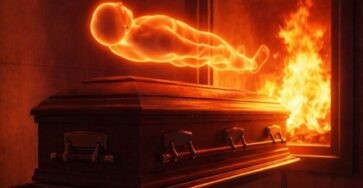
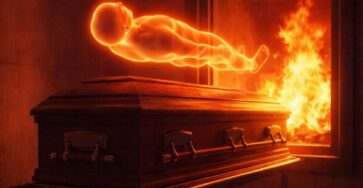
Cremation, once considered an unconventional and sometimes controversial method for handling human remains, has gained significant popularity worldwide in recent decades. Global attitudes are shifting, with statistics showing that cremation rates continue to rise across continents. However, this practice remains a deeply personal and often spiritual choice, shaped by societal norms, family traditions, and, importantly, religious beliefs. This article explores what different faith traditions say about cremation, offering a comprehensive, analytical overview rooted in reputable sources and expert commentary.
Understanding Cremation: History and Current Trends
Cremation involves incinerating the body, leaving behind ashes that may be kept, scattered, or interred. Historically, burial was preferred in many cultures due to religious rituals honoring the physical body. However, increasing urbanization, land scarcity, and evolving attitudes toward death have contributed to cremation’s growing acceptance.
According to Pew Research Center, countries such as Japan and India have long-held traditions of cremation, while Western nations like the United States and the United Kingdom have witnessed a marked increase in cremation rates in the 21st century. Factors like cost, environmental concerns, and changing spiritual perspectives contribute to this shift.
The Role of Faith in Death Rituals
Religious views profoundly inform preferences about how human remains are handled. For believers, these choices are intertwined with understandings of the sacred, the afterlife, and respect for the body. Faith communities often provide guidelines that influence not only individual decisions but also societal norms regarding cremation and burial. Let us examine how the world’s major religions address cremation today.
Christian Perspectives on Cremation
Christianity encompasses a broad spectrum of beliefs, with attitudes toward cremation varying across denominations and historical periods.
The Roman Catholic Church
For centuries, the Catholic Church prohibited cremation, favoring burial as a sign of respect for the belief in bodily resurrection. This changed in 1963, when the Vatican relaxed its stance, allowing cremation as long as it was not chosen for reasons contrary to Christian doctrine.
Officially, the Vatican continues to prefer burial but permits cremation if the ashes are kept in sacred places, not scattered or kept at home. In 2016, new guidelines reaffirmed this, emphasizing that the body should be treated with reverence, reflecting belief in the resurrection of the dead.
Protestant Denominations
Most Protestant branches do not oppose cremation. The focus is generally placed on the individual’s faith and the hope of resurrection, rather than the condition of the physical body after death. Accordingly, cremation is widely accepted and growing in prevalence among Protestant communities in Europe, North America, and elsewhere.
Eastern Orthodox Christianity
Eastern Orthodox Christianity maintains a strong preference for burial. The Orthodox faith views the body as a temple of the Holy Spirit—deserving respect and preservation. Consequently, cremation is usually discouraged or outright forbidden, except in extraordinary circumstances or where civil law mandates it.
Judaism and Cremation
Traditional Judaism holds a strong preference for burial. The Torah’s teachings and subsequent Rabbinical interpretations emphasize returning the body to the earth as an expression of humility and respect for God’s creation. Classical Halacha (Jewish law) prohibits cremation due to doctrinal beliefs in bodily resurrection and the sanctity of the body. Orthodox Judaism, as a result, strictly forbids cremation.
However, perspectives in more liberal Jewish movements have shifted somewhat. Some Reform and Reconstructionist communities, especially in the diaspora, may accept cremation under specific circumstances, emphasizing personal and familial autonomy while still acknowledging ancestral traditions. Surveys indicate that cremation rates among Jewish populations remain significantly lower than surrounding societies, reflecting ongoing adherence to traditional teachings.
Islam and Cremation
Islamic teaching unequivocally prohibits cremation. The Qur’an and Hadiths (sayings of the Prophet Muhammad) enjoin Muslims to treat the deceased with utmost reverence, including prompt washing, shrouding, and burial. Cremation is considered a desecration of the human body and is thus strictly forbidden in Sunni and Shia traditions alike.
Muslim funeral rites are designed to be as simple and dignified as possible. The emphasis is on returning the body to the earth quickly and respectfully. These prohibitions are so central that Muslim-majority countries almost universally outlaw cremation, and global Muslim communities work with local authorities to ensure burial, even in areas where cremation is the norm.
Hinduism’s Embrace of Cremation
In contrast to Abrahamic religions, Hinduism generally endorses cremation, considering it the most spiritually advanced way to dispose of the body. According to Hindu scriptures such as the Vedas and the Bhagavad Gita, cremation is essential to liberate the soul (atman) from its physical ties, facilitating its journey toward moksha (enlightenment or liberation).
Ceremonies associated with Hindu cremations are highly ritualized. Traditionally, the eldest son or a close male relative lights the funeral pyre, and the ashes are often scattered in a sacred river, such as the Ganges, believed to cleanse the soul. While burial is reserved for select groups (e.g., children, gurus, or those with certain conditions), cremation remains overwhelmingly prevalent in Hindu practice.
Buddhism and Cremation
Buddhism’s view on cremation is diverse, reflecting its spread across East and Southeast Asia. In many Buddhist cultures—especially in countries like Thailand, Myanmar, Sri Lanka, and Japan—cremation is customary, echoing the rite performed for the Buddha himself. The process is generally seen in philosophical terms: the body is impermanent, and cremation reflects the transient nature of life.
However, some Buddhist schools, such as Tibetan Vajrayana, have distinctive practices, including sky burials, where bodies are left on mountaintops to be consumed by nature. Yet, in most Buddhist societies, cremation is both common and culturally normative.
Other Eastern Faiths: Sikhism, Jainism, and Taoism
Sikhism: Sikhs typically prefer cremation, viewing it as the appropriate way to respect the cycle of life and death. Guru Granth Sahib, Sikhism’s holy scripture, does not mandate a specific method, but cremation is favored for its symbolism of the soul’s release from the body. However, Sikhs respect personal and family choice when circumstances make cremation difficult.
Jainism: Jain tradition also favors cremation, rooted in beliefs about non-attachment to the body. Rituals are conducted to honor the departed soul’s journey toward liberation, with burial reserved only in specific rare instances, such as for monks.
Taoism: In Chinese Taoist tradition, customs around cremation and burial are varied and heavily influenced by local practices, regional beliefs, and the blending of Taoist ideas with ancestral worship. While traditional Taoist customs favored burial to honor ancestors, modern practice increasingly accepts cremation, particularly in response to urbanization and government policy.
Secular Perspectives and Societal Reactions
In addition to religious factors, many people base their decisions about cremation or burial on secular considerations, including environmental impact, economics, and personal family wishes. Green cremation or resomation (alkaline hydrolysis) is emerging as an alternative to conventional methods for environmentally conscious individuals. Studies from institutions such as the Centers for Disease Control and Prevention indicate that as societies become more secularized, funeral practices tend to diversify, reflecting broader acceptance of cremation.
Societal attitudes toward death and remembrance are also changing due to factors such as urban growth, rising costs of land, and the popularity of memorial services tailored to personal values. In response, faith communities increasingly provide guidance and support to help families navigate both traditional and modern end-of-life options.
Expert Opinions and Future Directions
Experts agree that the choice between cremation and burial will continue to evolve in response to social, environmental, and spiritual factors. According to Dr. Stephen Prothero, a professor of religion at Boston University, “Even within a particular tradition, diversity of opinion and practice has expanded in step with globalization and migration.” Furthermore, as multicultural societies become more common, interfaith families often find themselves negotiating these choices, leading to new rituals and hybrid ceremonies.
In summary, while religious traditions remain influential, practical concerns, environmental awareness, and changing social values are shaping contemporary attitudes. The respectful treatment of human remains remains a universal value, reflected across faiths, whether through cremation, burial, or alternative practices.
Conclusion
The rise of cremation around the world underscores the dynamic relationship between tradition, culture, and individual choice. Understanding what different faith traditions say about cremation helps families make informed, respectful decisions that honor both spiritual beliefs and personal values. As societies progress and diversify, these conversations will continue to evolve, reflecting the pluralism at the heart of our shared human experience.
Sources
- BBC News
- Reuters
- Al Jazeera
- The Guardian
- Pew Research Center
- The Vatican
- Centers for Disease Control and Prevention
- Mayo Clinic
- World Health Organization (WHO)
Disclaimer: This content is intended for entertainment purposes only and is not based on real events.