
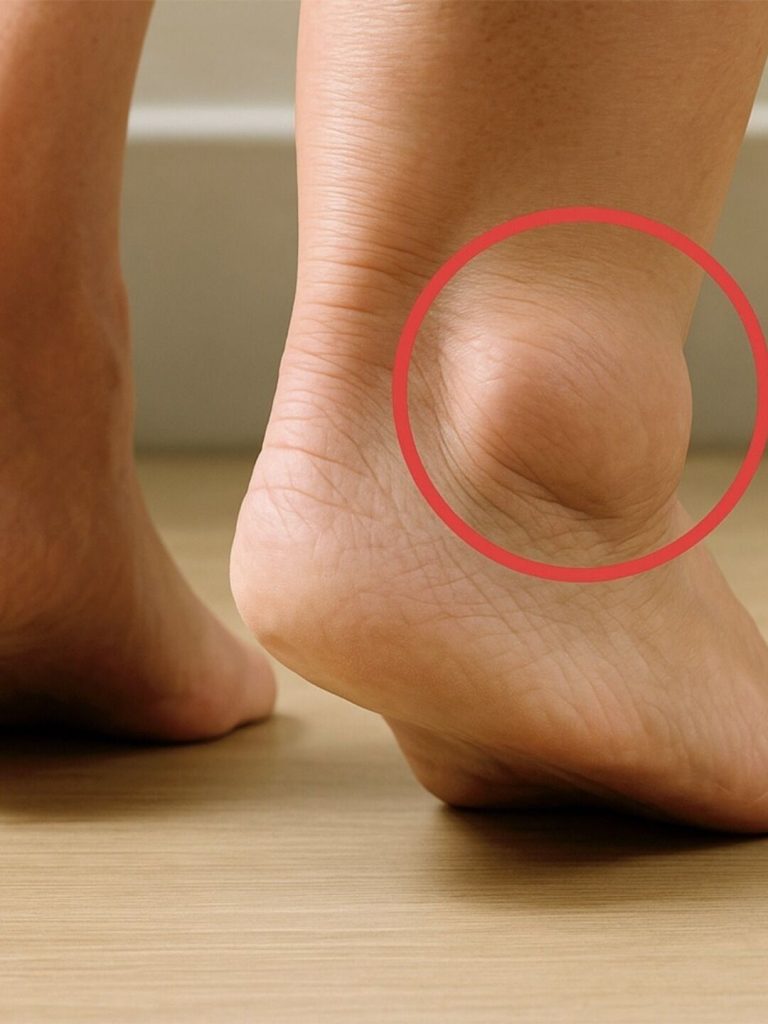
After a long day, you kick off your shoes and notice something unusual. Your socks have left deep marks around your ankles, and your shoes feel tighter than they did that morning. You assume it’s just fatigue from standing or sitting too long.
For many people, occasional swelling in the legs or feet is temporary and improves with rest. However, swelling that is persistent, appears suddenly, or occurs alongside other symptoms may indicate an underlying medical condition that deserves professional attention.
Understanding what causes swollen legs, recognizing when it may require medical evaluation, and knowing simple ways to reduce mild swelling can help you make informed decisions about your health.
What Is Leg Swelling?
Leg swelling, medically known as peripheral edema, occurs when excess fluid accumulates in the tissues of the lower legs, ankles, or feet.
The swelling may affect:
- One leg
- Both legs
- Only the ankles
- The feet and lower legs
- The entire lower limb
The amount of swelling can range from mild puffiness to more noticeable enlargement.
Peripheral edema itself is not a disease. Instead, it is a symptom that can have many different causes.
Common Symptoms of Swollen Legs
Depending on the underlying cause, people may notice:
- Puffy ankles or feet
- Shoes feeling tighter than usual
- Sock marks that remain on the skin
- Tight or shiny skin
- A feeling of heaviness in the legs
- Reduced flexibility around the ankle
- Swelling that increases later in the day
In some cases, pressing gently on the swollen area may leave a temporary indentation, known as pitting edema.
Why Do Legs Swell?
Fluid normally moves between blood vessels and surrounding tissues.
When this balance changes, fluid can collect in the lower limbs.
Several factors may contribute to this process.
Standing or Sitting for Long Periods
One of the most common causes is remaining in the same position for many hours.
Examples include:
- Long flights
- Office work
- Road trips
- Standing throughout the workday
Gravity naturally causes fluid to collect in the lower legs when movement is limited.
Walking and calf muscle activity help return fluid toward the heart.
Hot Weather
Warm temperatures cause blood vessels near the skin to widen.
This natural cooling process can allow more fluid to move into surrounding tissues, leading to mild swelling during hot weather.
High Sodium Intake
Eating foods high in sodium may encourage the body to retain more water.
Common high-sodium foods include:
- Processed snacks
- Fast food
- Canned soups
- Processed meats
- Salty sauces
Reducing sodium intake may help decrease fluid retention in some individuals.

Chronic Venous Insufficiency
Veins in the legs contain small valves that help blood return to the heart.
When these valves become less effective, blood may pool in the lower legs, increasing pressure inside the veins.
Over time, this can contribute to swelling, especially after prolonged standing.
Lymphedema
The lymphatic system helps remove excess fluid from body tissues.
When lymphatic drainage becomes impaired, fluid may gradually accumulate, resulting in swelling that often requires specialized management.
Heart Conditions
The heart pumps blood throughout the body.
When the heart cannot pump as efficiently as it should, fluid may build up in different areas, including the legs and ankles.
Because several heart conditions can contribute to swelling, evaluation by a healthcare professional is important.
Kidney Conditions
Healthy kidneys help regulate the body’s fluid balance.
If kidney function changes significantly, excess fluid may accumulate, contributing to swelling in the legs and other parts of the body.
Liver Conditions
The liver produces proteins that help maintain normal fluid distribution.
Certain liver disorders may alter this balance and contribute to fluid retention.
Pregnancy
Many pregnant individuals experience mild swelling, particularly during the later stages of pregnancy.
This often results from increased blood volume, hormonal changes, and pressure on blood vessels.
However, sudden or severe swelling should always be discussed promptly with a healthcare provider.
Certain Medications
Some medications may contribute to swelling as a side effect.
Examples include certain:
- Blood pressure medications
- Hormonal medications
- Anti-inflammatory medicines
- Steroids
Never stop prescribed medication without consulting your healthcare provider.
Simple Ways to Reduce Mild Swelling
For swelling related to prolonged sitting, standing, or mild fluid retention, several lifestyle measures may help.
Elevate Your Legs
Raising your legs above heart level for short periods can encourage fluid to move back toward the body’s circulation.
Stay Physically Active
Walking activates the calf muscles, which function as a natural pump to help move blood and fluid upward.
Regular movement is especially helpful after long periods of sitting.
Wear Compression Stockings
Compression stockings apply gentle pressure to the legs, supporting healthy circulation.
They should be used according to a healthcare provider’s recommendations, especially if underlying medical conditions are present.
Reduce Sodium Intake
Choosing fresh foods over heavily processed products may help reduce water retention.
Stay Hydrated
Although it may seem surprising, drinking adequate water helps maintain the body’s normal fluid balance.
Proper hydration may also help reduce the effects of excess sodium intake.
Maintain a Healthy Weight
Maintaining a healthy weight may reduce pressure on veins and improve circulation over time.

When Should You Seek Medical Attention?
While occasional mild swelling is common, certain symptoms require prompt medical evaluation.
Seek immediate medical care if leg swelling occurs together with:
- Chest pain
- Difficulty breathing
- Sudden shortness of breath
- Fainting
- Sudden swelling in one leg accompanied by significant pain or warmth
These symptoms may indicate a medical emergency requiring urgent assessment.
You should also schedule a medical evaluation if:
- Swelling persists for several days.
- The swelling repeatedly returns.
- Only one leg becomes swollen without an obvious explanation.
- Home care measures do not improve the swelling.
- The swelling is accompanied by skin changes or persistent discomfort.
How Doctors Evaluate Leg Swelling
A healthcare provider may begin by asking about:
- Medical history
- Current medications
- Recent travel
- Daily activities
- Diet
- Existing health conditions
Depending on the situation, additional evaluation may include:
- Physical examination
- Blood tests
- Urine testing
- Ultrasound imaging
- Heart evaluation
- Kidney or liver function testing
These assessments help identify the underlying cause and guide appropriate treatment.
Treatment Depends on the Cause
Because leg swelling is a symptom rather than a diagnosis, treatment varies.
Depending on the underlying condition, management may include:
- Lifestyle modifications
- Compression therapy
- Medication adjustments
- Diuretics when appropriate
- Physical therapy
- Treatment of heart, kidney, liver, or vein disorders
Following a personalized treatment plan is the most effective approach.
Listening to Your Body
Our bodies often provide subtle signals before more noticeable health concerns develop.
While occasional swelling after a long day is common, persistent or unexplained swelling deserves attention.
Recognizing changes early allows healthcare professionals to identify potential issues before complications develop.
Conclusion
Swollen legs are a common symptom with many possible causes, ranging from temporary fluid retention after prolonged sitting to medical conditions involving the heart, kidneys, veins, or lymphatic system. Most cases improve with simple lifestyle measures such as staying active, elevating the legs, reducing sodium intake, and maintaining good hydration. However, swelling that is sudden, persistent, affects only one leg, or occurs alongside symptoms such as chest pain or difficulty breathing should be evaluated promptly by a healthcare professional.
Understanding the difference between occasional swelling and symptoms that warrant medical attention empowers people to make informed decisions about their health. By paying attention to changes in your body and seeking care when appropriate, you can support both your comfort and your long-term well-being.
Sources
- Prime Dailys. Swollen Legs: Understanding the Symptoms, Causes, and Treatments.
- Mayo Clinic. Information on edema, swelling, and when to seek medical care.
- National Health Service. Guidance on swollen ankles, feet, and legs.
- American Heart Association. Information on circulation and cardiovascular health.
- National Institute of Diabetes and Digestive and Kidney Diseases. Resources on kidney function and fluid balance.
- Cleveland Clinic. Educational resources on peripheral edema and related conditions.