

A lively evening in Bangkok is often filled with music, conversation, and the vibrant atmosphere that has made Thailand’s capital famous around the world. Visitors and local residents alike gather in entertainment districts to enjoy live performances, celebrate special occasions, and experience the city’s unique nightlife culture.
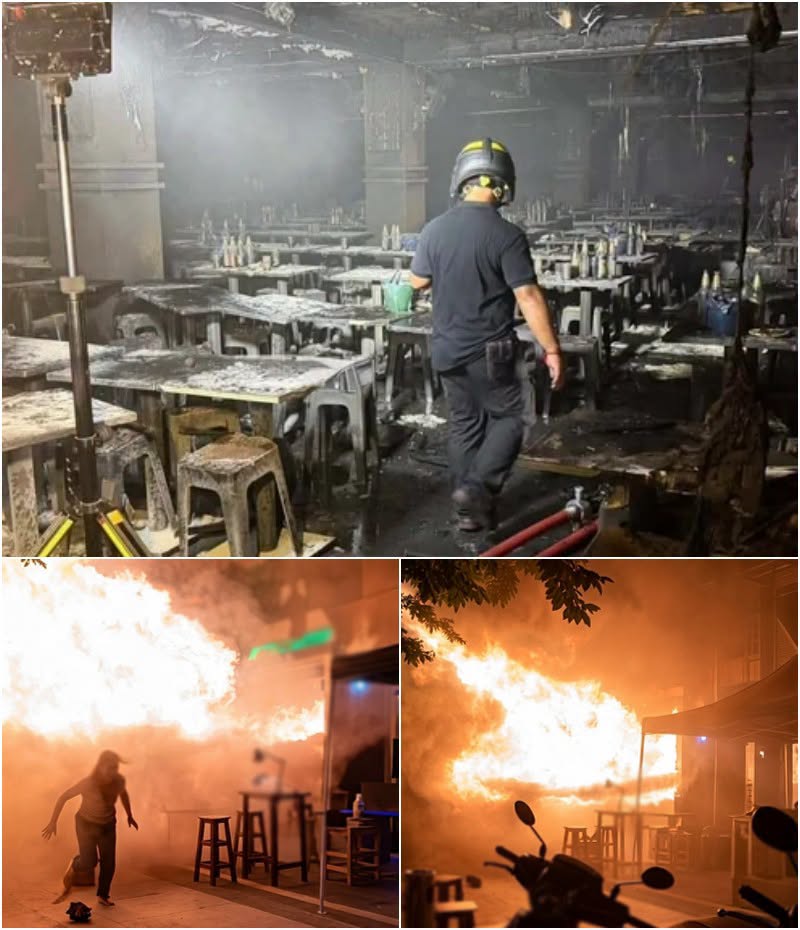
In July 2026, however, one evening took an unexpected turn when a serious fire broke out inside a popular entertainment venue in Bangkok’s Chatuchak district. The incident quickly became one of the country’s most significant nightlife emergencies in recent years, drawing attention from international media and prompting renewed discussions about public safety, emergency preparedness, and fire prevention in crowded venues.
While investigations continue into the exact circumstances, the event has highlighted the importance of building safety standards, emergency planning, and public awareness. Beyond the headlines, it also serves as a reminder that modern cities constantly work to improve safety measures to protect residents and visitors alike.
What Happened at the Bangkok Bar Fire?
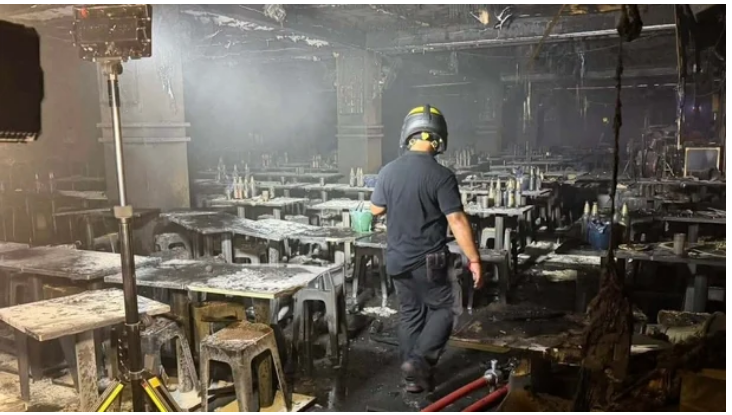
According to Thai authorities, the fire occurred shortly before midnight at the Rong Beer Na Lat Phrao entertainment venue in Bangkok’s Chatuchak district.
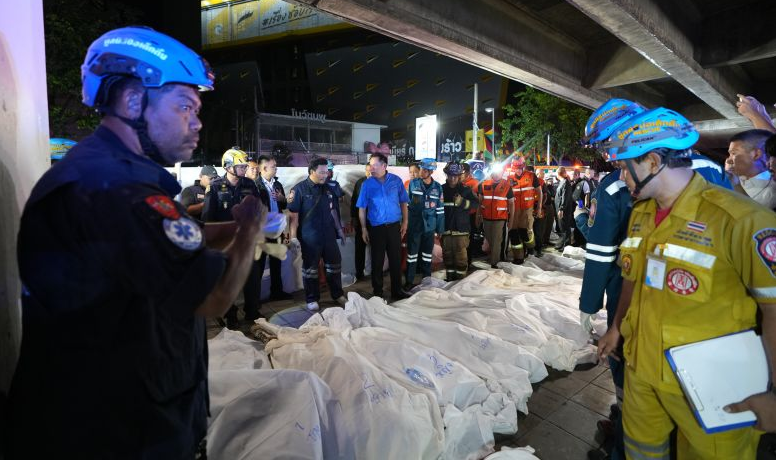
Emergency responders arrived quickly and worked to bring the situation under control within approximately thirty minutes. Officials reported that at least 27 people lost their lives, while more than 60 others received medical treatment. Many individuals were affected by heavy smoke inside the building, making evacuation difficult.
Preliminary reports suggested that investigators were examining whether an electrical malfunction involving a ceiling-mounted air-conditioning unit may have contributed to the incident. Authorities also announced they would review the venue’s compliance with fire safety regulations, emergency exits, and overall building standards.
As of the latest official updates, the investigation remains ongoing, and authorities have emphasized that conclusions should await the final findings.
Bangkok’s World Famous Nightlife
Bangkok is internationally recognized as one of Asia’s leading entertainment destinations.
Millions of tourists visit each year to experience its diverse nightlife, which includes rooftop lounges, cultural performances, live music venues, restaurants, cafés, and entertainment districts. These venues contribute significantly to Thailand’s tourism economy and provide employment for thousands of people.
The overwhelming majority of establishments operate safely and comply with local regulations. Incidents such as this are rare, but when they occur, they naturally prompt governments, business owners, and the public to review existing safety practices.
Understanding Fire Risks in Entertainment Venues
Entertainment venues present unique challenges for fire safety because they often bring together large numbers of people within enclosed spaces.
Several factors can increase the complexity of emergency situations, including:
Electrical Systems
Modern venues rely heavily on lighting, sound equipment, air-conditioning systems, kitchen appliances, and digital displays. Regular inspection and maintenance of electrical systems are essential to reduce the possibility of equipment failures.
Crowd Density
Popular venues can become crowded during weekends, concerts, or special events. High occupancy levels may make evacuation more challenging if an emergency occurs.
Interior Design
Decorative materials, furniture arrangements, and stage equipment should be selected and installed according to local safety regulations. Clear pathways help people move efficiently toward exits.
Emergency Planning
Staff training plays a major role in responding effectively during unexpected situations. Regular emergency drills help employees understand evacuation procedures and assist guests calmly.
The Importance of Smoke Detection and Ventilation
Experts frequently note that smoke can spread rapidly within enclosed buildings.
Modern entertainment venues often use multiple layers of protection, including:
Smoke detectors
Automatic alarm systems
Emergency lighting
Sprinkler systems
Smoke extraction equipment
Clearly marked emergency exits
These systems work together to provide early warning and improve evacuation efficiency.
Many countries continually update building codes based on lessons learned from previous incidents around the world.
Thailand’s Fire Safety Regulations
Thailand has developed building regulations designed to improve safety in public venues.
Authorities typically evaluate factors such as:
Building permits
Electrical inspections
Occupancy limits
Emergency exit accessibility
Fire suppression equipment
Staff emergency training
Following significant incidents, governments often conduct additional inspections and consider updates to regulations where improvements may be beneficial.
Such reviews are common internationally and reflect an ongoing commitment to public safety rather than any single event.
Lessons for Venue Owners
Business owners across the hospitality and entertainment industries can draw several constructive lessons from incidents like this.
Routine Maintenance
Electrical equipment should undergo regular inspections performed by qualified professionals.
Emergency Exit Accessibility
Emergency exits should remain clearly marked and unobstructed at all times to support efficient evacuation if needed.
Staff Training
Employees benefit from periodic training on emergency procedures, communication, and assisting guests during unexpected situations.
Safety Equipment Testing
Fire alarms, extinguishers, sprinkler systems, and emergency lighting should be inspected according to local regulations.
Capacity Management
Monitoring occupancy helps ensure venues remain within approved safety limits.
These measures contribute to creating safer environments for both customers and employees.
Practical Safety Tips for Visitors
Although emergencies are uncommon, travelers can develop simple habits that improve preparedness without affecting their enjoyment.
Consider the following suggestions:
Take note of emergency exits when entering unfamiliar venues.
Avoid blocking walkways or exit paths.
Follow instructions provided by venue staff during any emergency.
Stay aware of your surroundings in crowded environments.
Choose licensed establishments that demonstrate visible safety measures.
These habits are useful in entertainment venues, hotels, conference centers, shopping malls, and other public gathering places.
How Technology Is Improving Public Safety
Technology continues to enhance fire prevention and emergency response worldwide.
Many modern buildings now incorporate:
Smart smoke detection systems
Connected fire alarms
Automatic emergency notifications
Advanced surveillance monitoring
Digital occupancy management
AI-assisted building monitoring
These innovations can provide earlier warnings and support faster responses when unusual conditions are detected.
Cities across Asia, Europe, and North America increasingly invest in smart building technologies as part of broader public safety initiatives.
The Human Side of Community Recovery
Beyond infrastructure and regulations, major emergencies often inspire communities to come together.
Local authorities, healthcare professionals, emergency responders, volunteers, and community organizations frequently work together to support affected families and restore normal operations.
Public expressions of sympathy, community assistance, and official investigations all play important roles in helping communities move forward while identifying opportunities for future improvements.
Avoiding Misinformation During Breaking News
Major news events often generate rapid online discussions.
Early reports may change as investigators gather additional evidence.
For this reason, readers are encouraged to rely on official government statements and well-established international news organizations rather than unverified social media posts or rumors.
Responsible reporting helps ensure that accurate information reaches the public while respecting those affected by the incident.
Fire Safety Around the World
Fire safety remains a global priority.
Countries regularly exchange best practices through engineering organizations, fire safety associations, and emergency management agencies.
Common areas of focus include:
Improved building materials
Enhanced emergency communication
Regular inspection programs
Updated construction standards
Public education campaigns
Professional firefighter training
Each improvement contributes to reducing risk and strengthening public confidence in shared spaces.
Scientific Perspectives on Fire Prevention
Fire science has advanced considerably over recent decades.
Researchers study how smoke moves through buildings, how people respond during evacuations, and how architectural design influences emergency outcomes.
Computer simulations allow engineers to model evacuation scenarios before buildings are constructed.
Modern materials science also contributes by developing products with improved fire resistance and lower smoke production characteristics.
These scientific advances continue to influence international building standards and urban planning.
Cultural Significance of Public Gathering Spaces
Entertainment venues occupy an important place in many cultures.
They provide opportunities for music, celebration, artistic performances, and community interaction.
Throughout history, societies have gathered in shared spaces to celebrate traditions, enjoy performances, and strengthen social connections.
When unexpected events occur, communities often reflect on how to preserve these cultural experiences while continuously improving public safety.
Rather than discouraging public gatherings, such discussions typically encourage thoughtful planning, stronger regulations, and greater awareness.
Looking Ahead
The Bangkok bar fire has prompted renewed conversations about fire prevention, emergency preparedness, and building safety in entertainment venues.
While investigators continue examining the exact cause, the broader message is clear: continuous improvement in safety standards benefits everyone.
Governments, business owners, engineers, emergency responders, and the public all share responsibility for creating environments where people can gather with confidence.
As cities continue to grow and technology evolves, ongoing investment in prevention, education, and preparedness will remain essential components of urban safety.
Conclusion
The July 2026 Bangkok bar fire stands as a reminder of the importance of preparedness, thoughtful building design, and effective emergency planning. Although investigations are still underway, the incident has encouraged valuable discussions about strengthening safety measures in public venues.
Every major event offers opportunities to learn, improve, and build safer communities. Through continued cooperation among authorities, businesses, engineers, and the public, entertainment spaces can become even more resilient while preserving the vibrant cultural experiences that make cities like Bangkok so memorable.
Human curiosity naturally seeks to understand how unexpected events occur and how future risks can be reduced. By combining scientific research, responsible reporting, practical safety measures, and a commitment to continuous improvement, societies can transform difficult moments into meaningful progress for everyone.

Sources
CNN. “Bangkok bar fire: Official updates and investigation.” https://www.cnn.com
The Guardian. “Thailand authorities investigate Bangkok entertainment venue fire.” https://www.theguardian.com
National Fire Protection Association (NFPA). Fire safety education and building safety resources. https://www.nfpa.org
World Health Organization (WHO). Emergency preparedness and public safety resources. https://www.who.int
Thailand Department of Disaster Prevention and Mitigation. Emergency management information. https://www.disaster.go.th