


For many parents, seeing a headline about a child experiencing kidney problems can create immediate worry. Questions quickly come to mind: Could this happen to my child? Is something in their diet responsible? Are everyday habits affecting their health?
Stories about children developing kidney stones often attract attention because they challenge the common belief that this condition only affects adults. While kidney stones are more frequently discussed in adults, children can also experience them, and understanding the possible causes can help families make informed choices.
The reality is that childhood kidney stones are usually influenced by multiple factors rather than one single food or habit. Hydration, nutrition, family history, body chemistry, infections, and individual health conditions can all play a role.
The encouraging news is that many healthy daily habits can support urinary health. Simple steps such as drinking enough water, maintaining balanced meals, and seeking medical advice when symptoms appear can help protect children’s well-being.
What Are Kidney Stones?
Kidney stones are small, solid formations that develop when certain minerals and substances in urine become concentrated and form crystals.
The kidneys play an essential role in filtering waste and maintaining fluid balance in the body. Urine normally carries dissolved minerals out of the body. However, when urine becomes highly concentrated, certain substances may begin to collect and form small crystal structures.
Over time, these crystals may grow into stones.
Kidney stones can vary in size and composition. Some contain calcium compounds, while others may involve different substances depending on the individual’s health and metabolism.
In children, understanding the type of stone is important because prevention strategies can differ from one child to another.
How Kidney Stones Form in Children
The Urinary System Works Like a Natural Filtration System
A helpful way to imagine the urinary system is as a constantly flowing pathway that removes waste while maintaining balance.
When children drink enough fluids, urine remains more diluted. This allows minerals and waste products to move through the urinary system more easily.
When fluid intake is too low, urine can become more concentrated. In this environment, certain minerals may have a greater opportunity to form crystals.
However, dehydration alone does not explain every case of childhood kidney stones.
Some children may develop stones because of inherited factors, differences in metabolism, infections, or other medical conditions.
Why Childhood Kidney Stones Can Happen
Hydration and Fluid Balance
One of the most commonly discussed factors related to kidney stone prevention is hydration.
Children who do not drink enough fluids may produce more concentrated urine. This does not mean that forgetting a water bottle occasionally will automatically cause kidney stones, but consistent hydration supports healthy kidney function.
Children may need additional fluids during:
- Hot weather
- Outdoor activities
- Sports
- Fever
- Vomiting
- Diarrhea
Encouraging regular water intake throughout the day is one of the simplest ways parents can support urinary health.
Family History and Genetics
Some children may have a higher likelihood of developing kidney stones because of family history.
Genetic factors can influence how the body processes minerals and produces urine. If parents or close relatives have experienced kidney stones, discussing this history with a healthcare professional may be helpful.
Family history does not mean a child will definitely develop stones. It simply provides useful information when evaluating risk factors.
Diet and Nutrition Patterns
Diet can influence kidney stone risk, but the relationship is often more complex than popular discussions suggest.
Factors that may contribute include:
- High sodium intake
- Low fluid intake
- Certain dietary patterns
- Excessive intake of some supplements
- Individual differences in metabolism
Rather than focusing on eliminating one specific food, experts often recommend balanced nutrition that provides the nutrients children need for healthy growth.
The Importance of Hydration
Making Water a Daily Habit
Water is one of the most practical tools for supporting urinary health.
Parents can encourage hydration by creating simple routines:
- Drinking water after waking up
- Bringing a reusable water bottle to school
- Offering water with meals
- Encouraging hydration before and after physical activity
A useful general indicator is urine color. Pale yellow urine often suggests adequate hydration, while darker urine may indicate that more fluids are needed.
However, urine color can also be influenced by certain foods, vitamins, and medications, so it should not be viewed as the only measure of hydration.
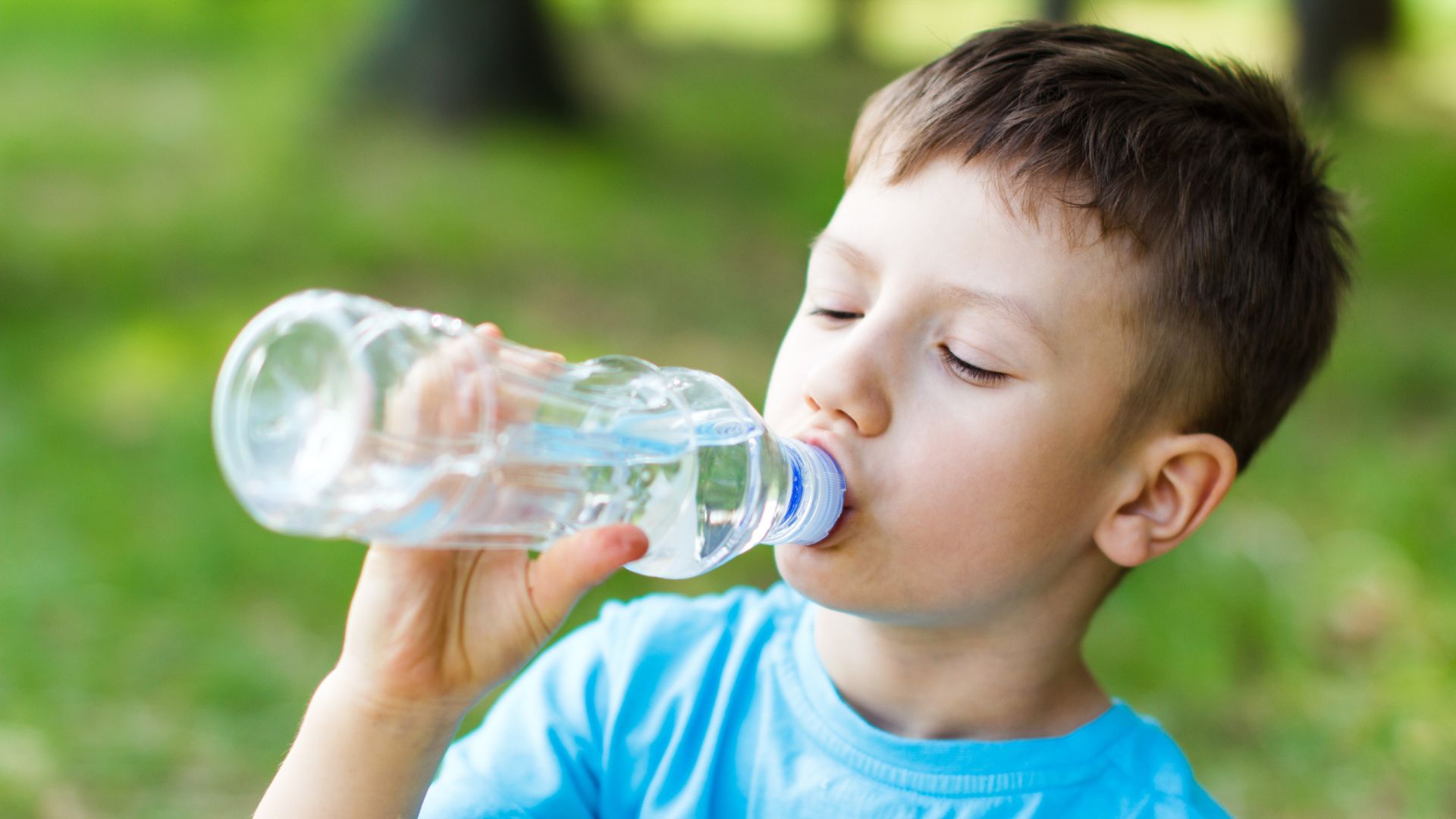
Helping Children Drink More Water
Some children naturally drink plenty of water, while others need encouragement.
Parents can make hydration more appealing by:
- Letting children choose a favorite water bottle
- Adding natural flavors such as lemon, cucumber, or fruit slices
- Offering water-rich foods like watermelon, oranges, and cucumbers
- Creating regular water breaks during busy days
The goal is to make hydration a normal part of daily life rather than a stressful responsibility.
Should Parents Limit Calcium?
Understanding the Calcium Myth
One common misunderstanding about kidney stones involves calcium.
Because many kidney stones contain calcium compounds, some parents assume that calcium-rich foods should be removed from a child’s diet.
However, this approach may not be appropriate.
Calcium is essential for children’s:
- Bone development
- Teeth health
- Muscle function
- Overall growth
Foods such as milk, yogurt, and cheese provide important nutrients. In many situations, normal dietary calcium intake may actually support healthy digestion of certain minerals.
Parents should avoid removing calcium-rich foods unless a healthcare professional recommends a specific dietary change.
Salt, Sugar, and Balanced Eating
The Role of Sodium
High sodium intake is often discussed as a possible contributor to kidney stone risk.
Many processed foods contain significant amounts of sodium, including some packaged snacks and convenience foods.
Reducing excessive sodium does not require eliminating enjoyable foods. Small changes can make a difference.
Examples include:
- Choosing fresh foods more often
- Balancing salty snacks with fruits or vegetables
- Reading food labels
- Preparing more meals at home when possible
Sugary Drinks and Kidney Health
Sugary beverages can become a concern when they frequently replace water.
Drinks such as soda, sweetened juices, and some flavored beverages may contribute to unhealthy dietary patterns when consumed regularly.
A balanced approach is usually more realistic than strict bans.
For most children, water remains the best everyday beverage choice.
Foods Containing Oxalate
Some foods naturally contain oxalate, a compound that may be involved in certain types of kidney stones.
Examples include:
- Spinach
- Nuts
- Certain berries
- Chocolate
- Some vegetables
However, parents should not automatically remove these foods.
Many oxalate-containing foods are nutritious and provide important vitamins, minerals, and fiber.
For children who have experienced certain types of kidney stones, healthcare professionals may provide personalized dietary recommendations.
Symptoms Parents Should Recognize
Kidney stone symptoms in children can vary.
Some possible signs include:
- Pain in the stomach, side, or back
- Discomfort during urination
- Frequent urination
- Nausea
- Vomiting
- Changes in urine appearance
- Blood in urine
- Fever or chills
Younger children may not always describe pain clearly. They may simply appear uncomfortable, unusually tired, or have changes in normal behavior.
Parents should contact a healthcare professional if they notice concerning symptoms, especially severe discomfort, fever, repeated vomiting, or changes in urination.

Why Medical Evaluation Matters
If a child develops a kidney stone, doctors may investigate several factors.
Evaluation may include:
- Medical history
- Family history
- Urine testing
- Blood testing
- Imaging studies
- Analysis of the stone when available
Understanding why a stone formed can help create a more effective prevention plan.
There is no single solution that works for every child because the causes can differ significantly.
Healthy Kidney Habits for Children
Parents can support urinary health through simple daily choices.
| Healthy Habit | Why It Helps |
|---|---|
| Encourage regular water intake | Helps keep urine less concentrated |
| Offer balanced meals | Provides essential nutrients for growth |
| Avoid excessive salty foods | Supports healthy mineral balance |
| Maintain normal calcium intake | Supports development and may help with mineral balance |
| Encourage activity and hydration | Helps replace fluids lost during exercise |
| Seek medical advice when needed | Allows personalized prevention strategies |
Frequently Asked Questions
How much water should children drink each day?
Fluid needs depend on age, body size, activity level, weather, and health. Children who are active or exposed to hot conditions may require additional fluids.
Can one unhealthy meal cause kidney stones?
No. Kidney stones usually develop through a combination of factors over time rather than one single meal or food.
Should parents remove dairy products?
Not unless advised by a healthcare professional. Calcium-rich foods are important for growing children.
Are kidney stones common in children?
They are less common in children than adults, but they can occur. Medical evaluation helps determine causes and prevention strategies.
Conclusion
Childhood kidney stones can sound alarming, especially when dramatic stories appear online. However, the science behind prevention is often much more practical and reassuring.
Supporting children’s kidney health does not require extreme diets or unnecessary restrictions. Consistent hydration, balanced meals, appropriate nutrition, and attention to symptoms are among the most important habits families can build.
Every child is different, and medical guidance is valuable when kidney stones occur or concerns arise. By combining reliable information with healthy daily routines, parents can help children develop habits that support lifelong well-being.
Ultimately, understanding kidney health reminds us that small choices matter. A simple glass of water, a balanced meal, and attentive parenting can all contribute to helping children grow stronger and healthier.

Sources
- National Institute of Diabetes and Digestive and Kidney Diseases (NIDDK)
- Mayo Clinic
- American Academy of Pediatrics
- National Kidney Foundation
- Harvard T.H. Chan School of Public Health
- Cleveland Clinic
- Johns Hopkins Medicine
- American Urological Association
- Centers for Disease Control and Prevention (CDC)
- World Health Organization (WHO)