

The Surprising Link Between Chicken Color and Quality Explained

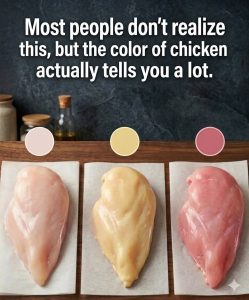
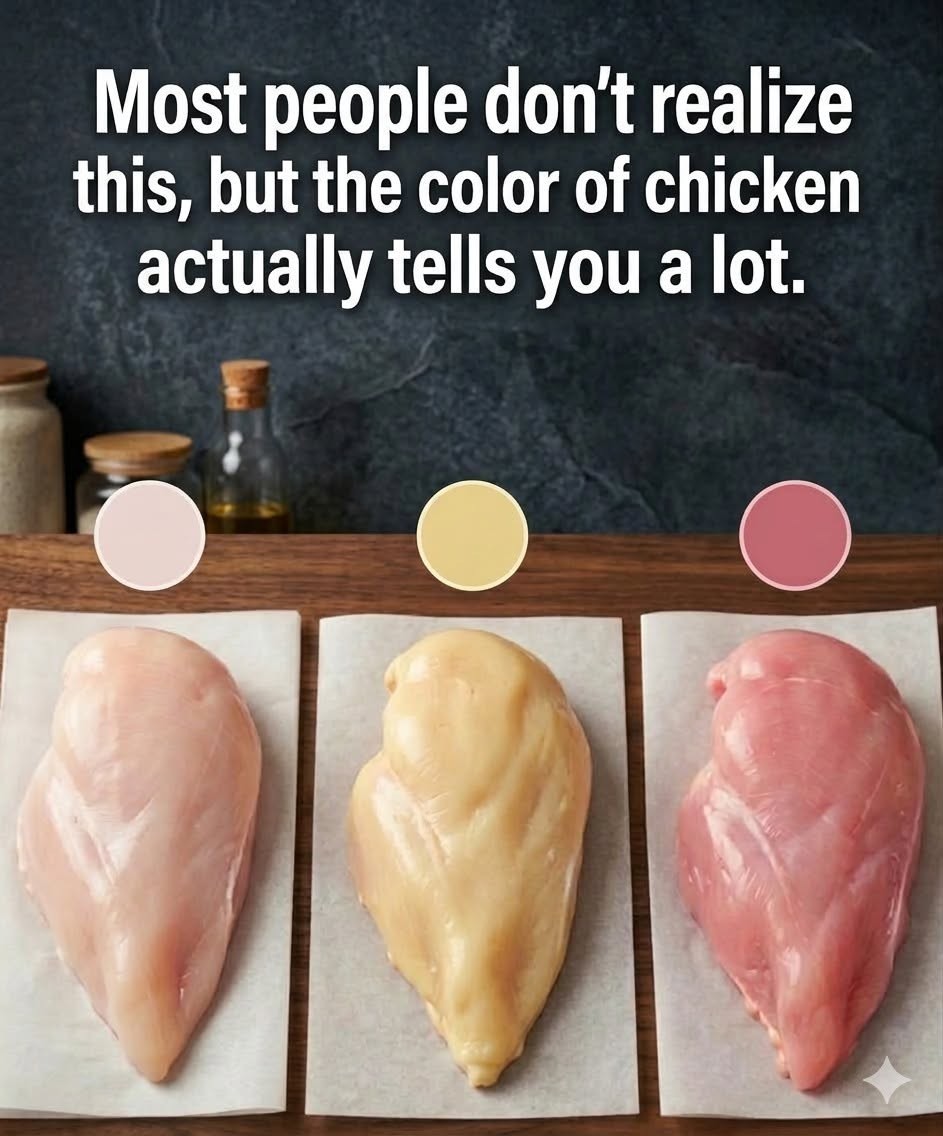
Chicken is a popular source of protein across the globe, with billions of birds consumed each year. When examining chicken at the grocery store or on your plate, you may notice that the color of the meat varies considerably. Some pieces appear pale pink or almost white, while others are a deeper yellow or even golden. These differences often prompt questions about chicken quality, taste, and whether the shade of the meat is connected to health or freshness.
Introduction: Why Does Chicken Meat Vary in Color?
The color of chicken meat has long been associated—sometimes incorrectly—with its nutritional value and overall quality. Consumers may assume that a more vibrant or yellow meat is healthier or more ‘natural,’ while paler chicken is viewed as less flavorful or of lower nutritional merit. However, the reality is more nuanced. Scientific studies and food safety experts agree that several factors contribute to the visual differences in chicken meat, and that color should not be solely relied upon to judge quality or safety.
Main Factors Affecting Chicken Meat Color
The appearance of chicken meat is influenced by an intricate combination of genetics, diet, age, processing methods, and even physical activity. Understanding these factors provides insight into why one chicken breast may look different from another, even when both are perfectly safe and nutritious.
- Genetics: Different breeds of chickens produce distinct pigmentations in their skin and meat. For example, some heritage breeds or traditional farm-reared birds naturally have more yellow coloration due to their body chemistry.
- Diet: The diet fed to chickens has a major impact on meat color. Birds raised on grain supplemented with marigold petals, corn, or yellow vegetables often show a richer yellow pigment, resulting from natural pigments called xanthophylls. Birds given diets with primarily white grains, on the other hand, tend to have paler flesh.
- Farming Practices: Industrial or commercial farms typically raise chickens indoors on controlled diets designed for rapid growth. These chickens tend to have softer, paler meat, because they are less active and their diets lack diverse pigments. Free-range chickens, which spend time outdoors and eat a range of foods, may develop a deeper hue due to increased carotenoid intake and more muscle activity.
- Age at Slaughter: Younger chickens (commonly used for broilers) have lighter meat, while older birds raised for longer periods may have darker, more yellowish flesh due to accumulation of pigments and muscle use.
- Processing and Storage: The way chicken is processed, handled, and stored can impact its color. For example, exposure to air or fluctuating temperatures during storage can trigger chemical changes in muscle proteins, sometimes resulting in color variations.
Is Pale Chicken Inferior in Quality?
Pale chicken is often presumed to be less flavorful or less healthy, but this is not necessarily the case. According to experts at the United States Department of Agriculture (USDA) and major food science organizations, the paleness of chicken primarily reflects breed, diet, and processing rather than poor quality or loss of nutrients. Industrially raised chickens, bred for efficiency and consistent size, are commonly lighter in color because of their feed and limited muscle use—not because of inferior quality. On the contrary, pale chicken can be just as safe and nutritious as more colorful varieties.
Should Meat Color Be Used to Judge Freshness?
Many shoppers use color as an indicator of chicken’s freshness, but this indicator can be misleading. Fresh chicken may range in color from pinkish-white to yellow, depending on breed, diet, and environment. The color can also change as the meat is exposed to light and air during handling and display. Other signs—such as ‘off’ odor, sticky texture, or sliminess—are more reliable cues for freshness and suitability for consumption. Food security agencies worldwide recommend only purchasing chicken that is properly refrigerated and used before the expiry date, regardless of shade.
Health and Nutrition: What Does Chicken Color Say?
When it comes to dietary health, scientific consensus states that the color of chicken meat is largely irrelevant. Both light and dark meats provide high-quality protein, B vitamins (such as niacin and B6), and essential minerals like phosphorus and selenium. The small differences in color are not a direct indicator of vitamin or mineral content. However, some consumers prefer the flavor characteristics of yellow or free-range chicken, which may have slightly higher fat or pigment concentrations due to outdoor exercise and varied diets. These nuances primarily affect taste and texture, rather than major nutritional differences.
Food Safety: Is There a Risk Associated With Chicken Color?
The primary food safety concern with chicken is not the color, but thorough cooking. Chicken can harbor bacteria such as Salmonella or Campylobacter, regardless of whether it is pale, pink, or yellow. The United States Centers for Disease Control and Prevention (CDC) and the World Health Organization (WHO) recommend always cooking chicken to an internal temperature of 165°F (74°C) measured at the thickest part, ensuring all harmful bacteria are destroyed. Color is not a reliable gauge of doneness or safety—use a food thermometer for best results.
The Influence of Marketing and Consumer Perceptions
Supermarkets and food advertisers often emphasize chicken color as a sign of freshness or natural production, capitalizing on consumer misperceptions. For example, some companies market yellow chicken as ‘country-raised’ or ‘organic,’ even when the color difference is manufactured with specific feeds. Regulatory agencies have started addressing misleading labeling, urging marketers to provide clearer information about how chicken is produced and what color really means.
International and Societal Perspectives on Chicken Color
Chicken color preferences vary across countries and cultures. In the United States and much of Western Europe, pale chicken is considered standard and desirable. In parts of Asia and Latin America, consumers often prefer chickens with yellow skin or darker meat, believing it indicates higher quality or richer flavor. International food systems reflect these preferences by adjusting diet, breed, and farming practices to satisfy local tastes. However, global health authorities unite in their guidance that color is primarily cosmetic, not a food safety or nutrition issue.
Expert Insights on Chicken Quality and Cooking Tips
Leading institutions such as the Mayo Clinic, USDA, and WHO advise consumers to select chicken based on freshness, handling, and certification, rather than appearance alone. Look for chicken that is firm to the touch, smells neutral, and is stored below 40°F (4°C). When cooking chicken, use a thermometer rather than relying on color, juices, or firmness to determine doneness. Experts also recommend avoiding rinsing raw chicken, as it can spread bacteria in the kitchen.
Making Informed Choices as a Consumer
While visual cues can be helpful, understanding the reasons behind chicken meat color can empower shoppers to make healthier, more informed choices. If flavor, sustainability, or animal welfare is important, consider seeking out producers who disclose their farming practices and feed composition. If your priority is nutrition and safety, focus on freshness, safe handling, and thorough cooking, regardless of whether your chicken is pale, pink, or yellow.
Conclusion: The Science Behind Chicken Meat Color and Quality
The color of chicken meat is determined by a range of factors including genetics, diet, farming system, and processing—not quality, freshness, or healthfulness alone. Both pale and yellow chicken can be nutritious and safe, provided proper storage and cooking guidelines are followed. Instead of relying on color, use evidence-based practices for selecting and preparing chicken to ensure a healthy, flavorful meal.
Sources
Disclaimer: This content is intended for entertainment purposes only and is not based on real events.