

Cats, Emotional Comfort, and the Nostradamus Claim: What Evidence Shows
Cats have long inspired affection, curiosity, and symbolism. For many people, looking into a cat’s eyes or sharing a quiet moment on the sofa can feel unusually meaningful. A cat may sit nearby during a difficult day, follow a familiar routine, or settle into a lap without being invited. These small interactions can create a powerful sense of companionship.
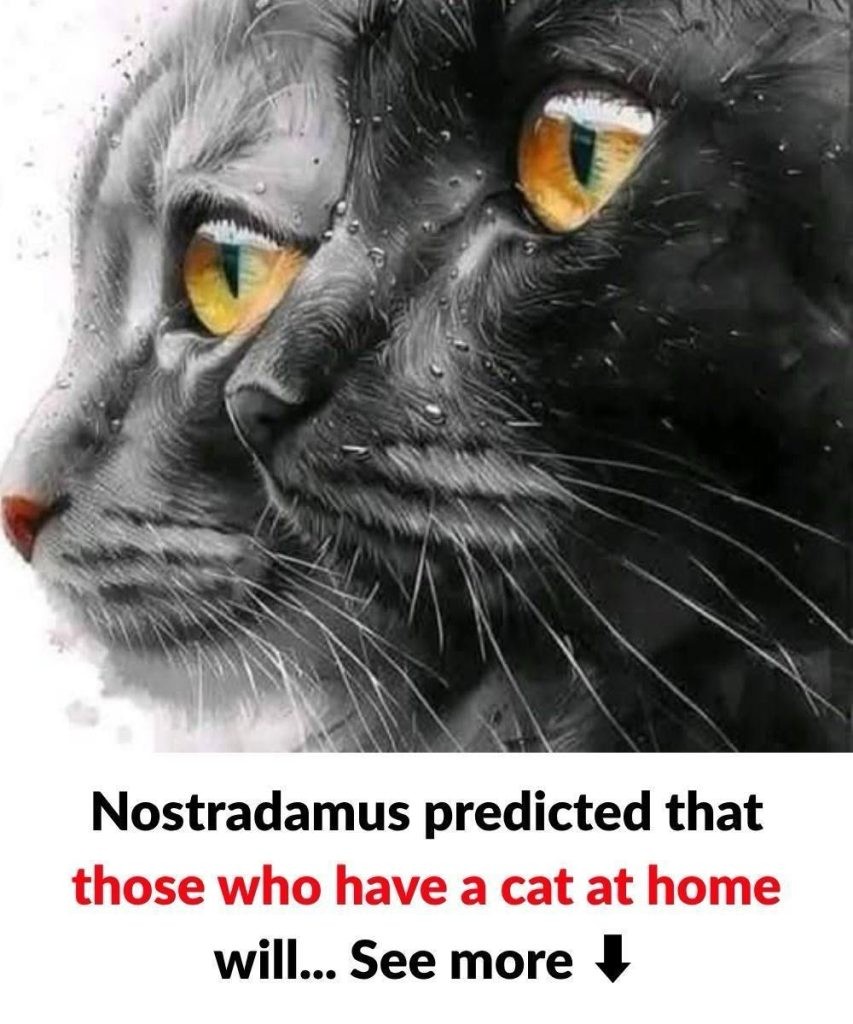
Online discussions sometimes connect cats with spiritual protection, ancient prophecies, or the writings of Nostradamus. One widely shared claim refers to a supposed Nostradamus verse about a “feline with the burning eye” protecting a “sky-born soul.” However, there is no reliable scholarly evidence that such a quatrain appears in the authenticated published works of Michel de Nostredame, better known as Nostradamus. His verses are frequently translated, paraphrased, and reinterpreted online, which can lead to quotations being attributed to him without a verifiable source.
That does not make the emotional bond between people and cats any less real. A more evidence-based view is that cats can support well-being through companionship, routine, touch, and opportunities for calm interaction. Their effects vary from person to person, and cats are not a replacement for medical or mental health care. Still, research and public-health organizations recognize that companion animals may contribute positively to many people’s emotional and social lives.
Why Cats Have a Reputation for Mystery and Comfort
Cats are independent animals with expressive behavior that is not always easy for humans to interpret. Their quiet movements, focused attention, nocturnal habits, and distinctive vocalizations have made them symbols of mystery in many societies. At the same time, domestic cats have lived alongside humans for thousands of years. Archaeological evidence indicates that close relationships between people and cats developed in the ancient Near East, likely because cats helped control rodents around stored grain.
Over time, practical coexistence became companionship. Today, cats are among the world’s most common household pets. Their appeal often lies in a balance of affection and autonomy: some cats seek close contact, while others show attachment through following a person from room to room, slow blinking, resting nearby, or greeting them at regular times.
These behaviors can be emotionally reassuring. A pet’s predictable presence may offer comfort during periods of stress, bereavement, isolation, or life changes. The value is not necessarily mystical. Rather, it can come from the human need for connection, the responsibility of caring for another living being, and the calming quality of shared routines.
Ancient Egypt and the Cultural Importance of Cats
Ancient Egypt is often central to discussions of cats and spirituality. Cats were respected in Egyptian society, where they were associated with protection of the home and with deities including Bastet, who was often represented with feline features. Their ability to protect food stores from rodents and snakes may have contributed to their cultural importance.
It is important, however, to distinguish historical fact from modern interpretation. Ancient Egyptian beliefs were shaped by a complex religious system and should not be simplified into the idea that cats were universally viewed as supernatural guardians in the modern sense. They were valued animals with symbolic and practical significance, and their roles varied across periods and communities.
Other cultures have also developed distinctive beliefs about cats. In Japan, the maneki-neko, or beckoning cat, is a familiar symbol associated with welcome and good fortune. In parts of Europe, black cats have been linked with both positive and negative folk traditions. These examples show how animals can become vessels for human hopes, fears, and cultural imagination.
Nostradamus Quotes Online: Separating Literature From Claims
Nostradamus was a 16th-century French writer and astrologer whose best-known work, Les Prophéties, consists of short and highly ambiguous quatrains. Because the language is broad and poetic, readers have repeatedly applied the verses to later historical events. Historians and skeptical researchers generally caution that such interpretations are often made after an event has occurred, rather than functioning as clear predictions in advance.
Claims about a Nostradamus prophecy involving cats should therefore be approached carefully. A credible quotation should identify the exact century and quatrain number, provide the original text or a traceable translation, and be verifiable in a reputable edition of his work. If a dramatic quotation appears only in social-media posts, entertainment websites, or unsourced image captions, readers should treat it as unconfirmed.
The appeal of these stories is understandable. They combine the mystery associated with cats with the enduring popularity of prophecy. Yet the more meaningful question may not be whether a historical prediction exists. It may be why so many people describe cats as emotionally perceptive companions. That question can be explored through animal behavior and health research.
Can Cats Help Reduce Stress?
Many owners report that spending time with a cat helps them feel calmer. Scientific research on human-animal interaction suggests that companion animals can support emotional well-being for some people, although results are mixed and depend on individual circumstances. The American Heart Association has noted that pet ownership may be associated with reduced cardiovascular risk, while also emphasizing that an association does not prove that pets directly cause better health outcomes.
Simple interactions may matter. Petting an animal can encourage a person to pause, focus on the present moment, and engage in gentle physical contact. A cat’s warmth, soft fur, and rhythmic breathing can be soothing. Caring for a cat also establishes daily structure: meals, fresh water, litter care, play, grooming, and veterinary appointments. For people whose schedules or emotions feel unsettled, routine can provide a useful sense of stability.
Cats may also offer a nonjudgmental form of companionship. They do not ask people to explain a difficult experience or produce the “right” response. A quiet cat sitting nearby can reduce the feeling of being alone, particularly for people who live by themselves. This does not mean every cat will be cuddly, or that every person will benefit in the same way. Personality, housing, financial resources, allergies, and an individual’s capacity for caregiving all matter.
What Science Says About Purring
A cat’s purr is often associated with relaxation, but the science is more nuanced than popular claims suggest. Cats may purr when they are content, but they can also purr when they are anxious, injured, nursing kittens, or seeking comfort. It is a form of communication and may have several functions.
Some articles claim that purring frequencies can heal human bones or cure illness. These claims are not established medical facts. While researchers have examined the acoustic properties of purring and possible biological functions for cats, there is insufficient evidence to conclude that a cat’s purr treats human medical conditions. People should not rely on animal sounds or pet interaction as a substitute for professional diagnosis or treatment.
Nevertheless, hearing a familiar purr may still feel calming. The effect may come from positive association, attention, closeness, and the quiet sensory environment created by resting with a pet. In other words, the comfort can be genuine even when extraordinary health claims are not supported.
Cats, Loneliness, and Healthy Aging
Companion animals can be especially meaningful for older adults, including those experiencing retirement, bereavement, reduced mobility, or fewer opportunities for regular social contact. A cat may provide daily responsibility and a sense of purpose. Talking about a pet can also create opportunities for conversation with neighbors, family members, veterinarians, and other animal owners.
Research on pets and loneliness does not support one universal conclusion. Some studies find benefits, while others show that pet ownership alone does not eliminate loneliness or depression. The relationship is complex: a person may choose a pet because they already feel lonely, and caregiving may sometimes create stress or expense. For this reason, experts generally describe pets as one potentially helpful source of support rather than a complete solution.
Older adults considering adoption should think practically as well as emotionally. A suitable cat should match the person’s lifestyle and ability to provide long-term care. Adult or senior cats may be calmer than kittens and can be an excellent option for households seeking a more predictable companion. Local shelters and rescue organizations can often help prospective adopters find an appropriate match.
How Cats Encourage Mindfulness and Routine
Cats are attentive to routines. They notice meal times, preferred sleeping places, household sounds, and the movements of familiar people. Living with a cat can encourage owners to notice small details too: a sunlit window, a playful burst of energy, a slow blink, or the quiet sound of paws crossing a room.
This kind of attention resembles mindfulness, the practice of focusing on the present without immediate judgment. A cat does not intentionally teach meditation, but caring for one can create moments that interrupt distraction. Filling a water bowl, using a wand toy, or simply sitting quietly with a resting animal can become a brief pause in a demanding day.
Respect for the cat’s boundaries is essential. Not all cats enjoy being held, stroked, or approached at every moment. Watching body language helps build trust. Signs that a cat may want space include flattened ears, a twitching tail, a tense body, growling, hissing, or moving away. Allowing a cat to choose contact supports humane care and often leads to a stronger relationship over time.
Responsible Cat Companionship
The emotional rewards of cat ownership come with real responsibilities. Cats need nutritious food, clean water, a safe home environment, regular veterinary care, enrichment, and patient handling. Preventive care can include vaccinations, parasite control, dental attention, and discussions with a veterinarian about spaying or neutering where appropriate.
Environmental enrichment is also important. Scratching posts, safe climbing spaces, hiding areas, toys, and opportunities for play support natural feline behavior. Indoor living can reduce risks from traffic, wildlife conflict, infectious disease, and becoming lost, although owners should discuss the best approach for their individual cat and local environment with a veterinary professional.
People with weakened immune systems, pregnant people, and households with very young children should seek reliable guidance on hygiene and litter-box handling. Washing hands after handling litter, keeping veterinary care current, and following food-safety practices can reduce health risks. These sensible precautions allow many households to enjoy cats safely.
The Lasting Value of the Human-Cat Bond
There is no verified basis for treating an alleged Nostradamus cat prophecy as historical fact. Yet the idea behind such stories points to something people genuinely experience: cats can be steady and meaningful companions. Their presence may offer comfort, routine, affection, and quiet connection without requiring elaborate explanations.
For some people, a cat represents spiritual symbolism. For others, the relationship is grounded in animal behavior, everyday care, and companionship. Both perspectives can coexist when claims about history and health are kept accurate. A cat does not need magical powers to have a positive place in someone’s life. The simple act of sharing a home with an attentive, distinctive animal can be deeply reassuring.
Anyone struggling with persistent anxiety, depression, grief, or loneliness should consider speaking with a qualified health professional or local support service. A beloved pet can be part of a broader support network, alongside family, friends, community, and appropriate care. In that context, the quiet companionship of a cat can remain what it has been for generations: a small but meaningful source of comfort in daily life.
Sources
- American Heart Association: Pets may be good for your heart
- CDC: Healthy Pets, Healthy People — Cats
- National Library of Medicine: Research on human-animal interaction and health
- Encyclopaedia Britannica: Nostradamus
- British Museum: Ancient Egyptian life and religious culture
- American Veterinary Medical Association: Pet care resources
Disclaimer: This content is intended for entertainment purposes only and is not based on real events.