


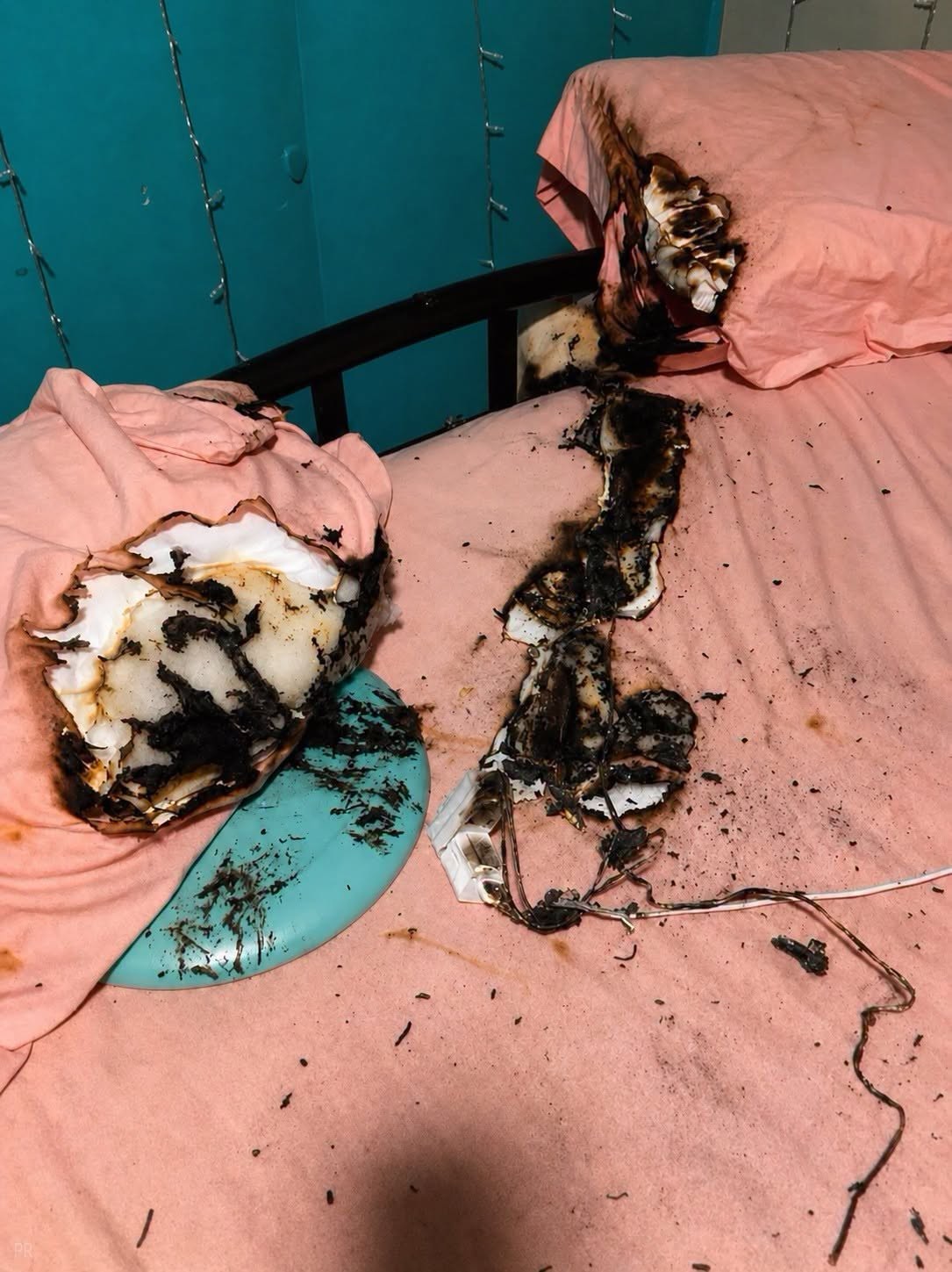
It is one of the most ordinary bedtime routines imaginable.
You plug your phone into its charger, place it beside your pillow, set an alarm, and close your eyes. For many people, the phone remains within arm’s reach throughout the night.
But firefighters and electrical safety experts have a simple message: where you charge your phone matters.
A modern smartphone is designed with multiple safety features, and charging a phone overnight is not automatically dangerous. The bigger concern is what happens when a charging device is placed beneath a pillow, blanket, mattress, or other material that can trap heat.
Soft bedding can restrict airflow, cover the device from view, and place combustible materials directly next to electronics and batteries. Damaged charging equipment, poor-quality accessories, or a compromised battery can add another layer of risk.
The good news is that avoiding these problems is relatively simple.
Why Charging a Phone Under a Pillow Can Be a Problem
Smartphones and chargers naturally produce some heat while transferring electrical energy.
Under normal circumstances, this heat can dissipate into the surrounding air. Phones and charging systems are designed to manage the temperatures associated with ordinary use.
The situation changes when a device is covered.
A pillow, blanket, mattress, or pile of clothing can act as an insulating layer around the phone. Instead of allowing heat to escape freely, the surrounding material can reduce ventilation.
This does not mean that every phone placed under a pillow will overheat. Modern devices have built-in protections designed to help manage charging and temperature.
However, safety systems cannot eliminate every possible problem.
A damaged battery, faulty charger, defective cable, or poorly made electrical accessory may behave differently from equipment operating normally.
For this reason, firefighters commonly recommend keeping charging devices on a hard, open surface rather than beneath bedding.
Lithium-Ion Batteries Store a Lot of Energy
The battery inside most modern smartphones is a lithium-ion battery.
These batteries are popular because they can store a significant amount of energy in a relatively small and lightweight package. They power everything from phones and laptops to electric vehicles and other portable electronics.
Their compact design is one of their greatest advantages.
However, lithium-ion batteries require careful management.
If a battery becomes severely damaged, overheated, crushed, punctured, or affected by a manufacturing defect, its internal chemistry can become unstable. In rare circumstances, this can lead to a rapid temperature increase known as thermal runaway.
Thermal runaway is uncommon during normal phone charging, but it is one reason battery safety deserves attention.
The surrounding environment also matters.
A phone charging on an open bedside table has considerably more ventilation than one buried beneath a pillow. If an unusual battery problem were to occur, keeping the device away from bedding also reduces the amount of combustible material immediately surrounding it.
Why Bedding Is a Poor Charging Surface
Beds are designed for comfort, not electronics.
Mattresses, blankets, pillows, and sheets are all made from materials that can be affected by heat and electrical problems. They can also make it difficult to notice early warning signs.
Imagine a phone developing an unusual amount of heat while it is charging.
On an open table, you might notice that the device feels unusually warm. You may also see a damaged cable, smell something unusual, or notice that the charging adapter is behaving differently.
Under a pillow, those warning signs can be hidden.
The device may also have less access to circulating air.
This is why the simplest recommendation is also one of the most practical: charge your phone on a stable, hard surface with plenty of space around it.
A bedside table is generally a better location than a mattress, sofa, or pile of clothing.

The Charger and Cable Matter Too
The phone itself is only one part of the charging system.
The wall adapter and cable are equally important.
A damaged cable can develop exposed wiring, bent connectors, loose connections, or other signs of wear. An adapter can also become problematic if it has been physically damaged or does not meet appropriate safety requirements.
Using reputable charging accessories is therefore an important part of reducing avoidable electrical risks.
When possible, use the charger supplied by the manufacturer or a reliable replacement that is correctly rated for the device and complies with applicable safety standards.
Extremely cheap, unbranded accessories may not provide the same level of protection or quality control as reputable products.
That does not mean every inexpensive charger is dangerous. Price alone is not a reliable safety test.
Instead, look for reputable manufacturers, appropriate ratings, recognized safety certifications where applicable, and equipment that is free from visible damage.
Warning Signs You Should Not Ignore
A little warmth during charging can be normal.
However, certain changes deserve attention.
If a phone or charger becomes unusually hot, develops a strange smell, makes unexpected sounds, becomes visibly swollen, or shows other signs of damage, stop using it and seek appropriate guidance.
A swollen phone battery is particularly important to take seriously.
Do not press, puncture, bend, or attempt to repair a swollen battery yourself.
If the device is smoking or a fire is developing, prioritize personal safety and follow local emergency guidance. Do not put yourself at risk simply to retrieve a device.
The key lesson is to pay attention to changes rather than assuming that every charging problem is harmless.
Keep Charging Cables Away From Damage
Cables can deteriorate over time, particularly when they are repeatedly bent, twisted, pinched, or pulled.
A cable that runs underneath furniture may be compressed. A cable beside a bed may be repeatedly bent at the connector. A cable stretched across a walkway may also be more likely to become damaged.
Inspect charging cables periodically.
Look for visible damage, unusual discoloration, exposed internal material, loose connectors, or intermittent charging.
If a cable is clearly damaged, replacement is usually a better option than trying to repair it with tape.
A reliable charging setup should be simple, stable, and free from unnecessary strain.
Smoke Alarms Are an Important Layer of Protection
One of the biggest problems with nighttime electrical incidents is that people are asleep when they begin.
This is why properly installed and maintained smoke alarms are an important part of household fire safety.
The U.S. Fire Administration recommends installing smoke alarms in appropriate locations throughout the home, including inside bedrooms and outside sleeping areas, and testing them regularly.
Smoke alarms do not prevent electrical problems from occurring.
What they can do is provide an early warning if smoke is detected, giving people more time to respond safely.
Follow the recommendations of your local fire authority and the instructions provided by the smoke alarm manufacturer.
Create a Safer Charging Station
One simple way to avoid bedtime charging mistakes is to establish a dedicated charging location.
Instead of charging the phone on the bed, choose a bedside table, desk, shelf, or another stable surface.
Keep the area clear.
Do not place clothing, papers, blankets, or other easily combustible materials directly over the device or adapter.
Make sure the cable is long enough that it does not need to be stretched tightly.
A dedicated charging station can also become a useful household habit.
For families with children and teenagers, having a designated place to charge phones outside the bed can make nighttime routines easier to manage.
It can also reduce the temptation to sleep with a phone beneath a pillow.
What About Charging a Phone Overnight?
This is where an important distinction needs to be made.
Charging a phone overnight is not automatically unsafe.
Modern smartphones and chargers include battery-management systems and other protective technologies. When equipment is in good condition and used according to the manufacturer’s instructions, ordinary charging is generally designed to be safe.
The concern is the combination of multiple risk factors.
A damaged battery combined with heat-trapping bedding is different from a healthy phone charging on an open table.
A worn cable combined with an overloaded electrical connection is different from a properly rated charger connected to an appropriate outlet.
Safety is therefore less about being afraid of charging and more about creating good conditions for charging.
Avoid Overloading Electrical Connections
Charging several devices can be convenient, but electrical outlets and extension equipment should be used appropriately.
Avoid overloading power strips or extension leads, particularly with devices that require substantial amounts of electricity.
Do not use electrical equipment that is visibly damaged, and follow the manufacturer’s instructions regarding appropriate use.
Keep charging equipment away from water and areas where spills are likely.
A small amount of attention to the charging environment can prevent many avoidable problems.
What If Your Phone Has Been Dropped or Exposed to Water?
A phone that has suffered significant physical damage deserves additional caution.
A hard impact can potentially damage internal battery components even when the exterior looks relatively normal.
Water exposure can also affect electronics in ways that may not be immediately visible.
If a device has suffered significant impact, developed swelling, or experienced unusual behavior following water exposure, consider having it inspected by a qualified service professional.
Do not attempt to open or repair a damaged lithium-ion battery yourself unless you are appropriately trained and equipped to do so.
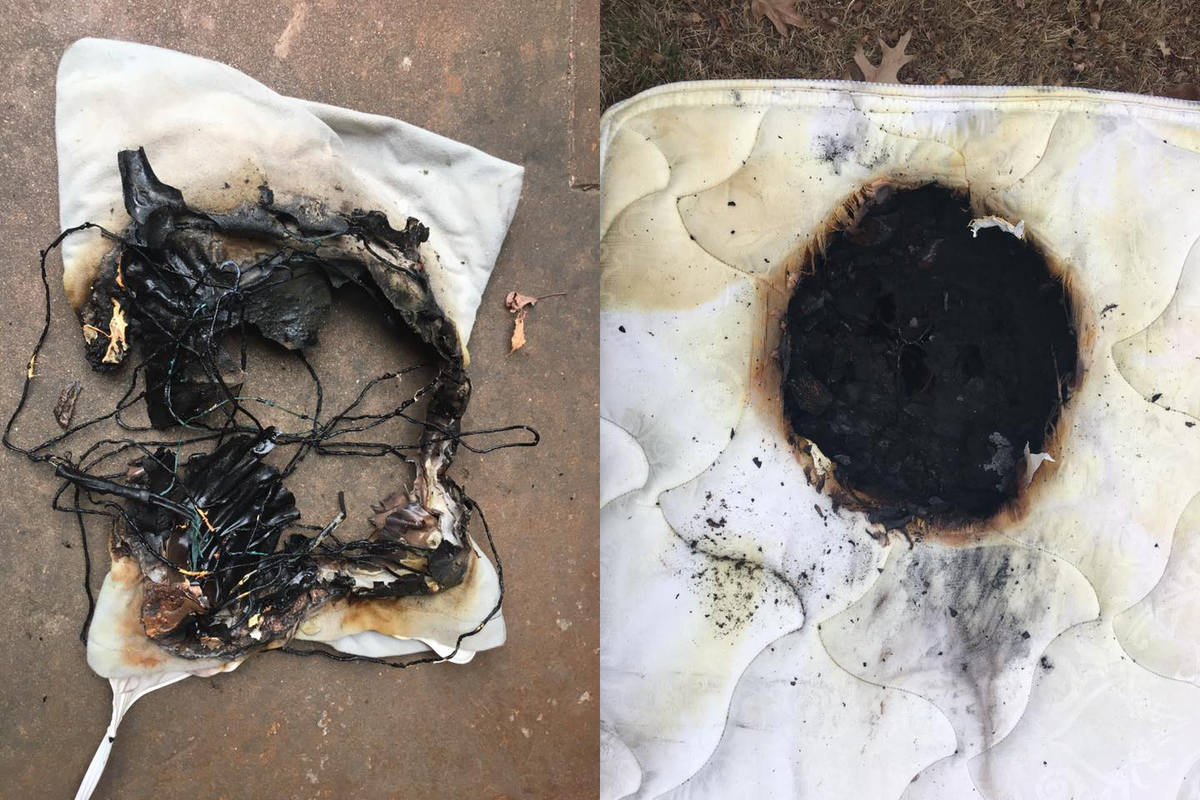
How Should a Damaged Battery Be Disposed Of?
Lithium-ion batteries should not simply be thrown into ordinary household garbage when they are damaged or ready for disposal.
Improper disposal can create problems during waste collection and recycling.
Instead, check local guidance for battery recycling or household hazardous-waste collection. Many communities provide dedicated programs for rechargeable batteries and electronic equipment.
If a battery is visibly damaged or swollen, contact the appropriate local recycling or waste-management service for instructions before transporting it.
What Firefighters Are Really Warning About
The message is not that every phone charging beside a bed is a disaster waiting to happen.
That would be an exaggeration.
The practical warning is much simpler.
Do not cover charging phones with bedding.
Keep phones and chargers on hard, stable surfaces. Give them room for ventilation. Use reliable charging accessories. Replace damaged cables. Pay attention to unusual heat, swelling, smells, or other warning signs.
And make sure your home’s smoke alarms are functioning properly.
These are small habits, but they can make a meaningful difference.
A Simple Bedtime Charging Checklist
Before going to sleep, consider a few quick questions.
Is your phone sitting on a hard, open surface?
Is the device uncovered?
Is the charger and cable in good condition?
Is the charging adapter from a reputable source and correctly rated?
Is the cable free from unnecessary bending or pressure?
Is the phone away from water and easily combustible materials?
Are your smoke alarms working properly?
If the answer to these questions is yes, you have already removed several avoidable risks from your nighttime routine.
Frequently Asked Questions
Is it dangerous to sleep next to a charging phone?
Simply sleeping near a charging phone does not automatically create a hazard. The bigger concern is placing the phone under bedding, using damaged charging equipment, or charging a device with a compromised battery.
Can I charge my phone overnight?
Modern phones are designed to manage normal charging conditions, so overnight charging is not automatically unsafe. Follow the manufacturer’s instructions and keep the device uncovered on a stable, ventilated surface.
Why shouldn’t I put my phone under my pillow while charging?
A pillow can restrict airflow and trap heat around the device. It can also conceal warning signs such as unusual warmth or an electrical problem.
Can a phone charger get warm?
Some warmth during charging can be normal. However, unusually high temperatures, visible damage, strange smells, or other unexpected changes should be treated as warning signs.
What should I do if my phone battery is swollen?
Do not press, puncture, bend, or attempt to repair the battery yourself. Stop using the device if it is safe to do so and contact a qualified service provider or local battery-recycling program for appropriate guidance.
Are cheap phone chargers dangerous?
Price alone does not determine safety. However, poorly manufactured or counterfeit accessories may lack appropriate safety protections. Reputable manufacturers and correctly rated products are a safer choice.
Final Thoughts: A Small Change Can Make a Big Difference
A phone beside your pillow may seem like one of the most harmless parts of a bedtime routine.
After all, millions of people charge their phones every night.
But good safety habits are rarely about assuming that something will go wrong. They are about reducing unnecessary risks before a problem occurs.
Moving a phone from underneath a pillow to a clear bedside table takes only a few seconds. Replacing a damaged cable takes only a little more effort. Checking a smoke alarm can become part of a regular household routine.
None of these steps require panic.
They simply reflect a basic principle of electrical safety: give charging equipment space, use it as intended, and pay attention when something seems unusual.
A phone may be the last thing you look at before going to sleep and the first thing you reach for in the morning. Keeping it uncovered and safely positioned is a small habit that can make your nighttime routine more sensible.
The goal is not to fear everyday technology.
It is to use it wisely.
Sources
U.S. Fire Administration, guidance on smoke alarms and home fire safety.
National Fire Protection Association, information on home fire safety and smoke alarms.
National Fire Protection Association
U.S. Consumer Product Safety Commission, consumer safety information concerning lithium-ion batteries and rechargeable products.
U.S. Consumer Product Safety Commission
National Fire Chiefs Council, fire-safety guidance and information from fire and rescue services.
The original article provided by the user was used as inspiration for the topic and structure. Its more alarming claims have been reframed here to distinguish established safety guidance from speculation and to maintain an AdSense-safe, educational tone.