
Twenty-five years after the 9/11 attacks, the final moments of a family aboard United Airlines Flight 175 are once again being remembered – including a heartbreaking phone call

Twenty-five years have passed since the tragic events of September 11, 2001, yet the world continues to reflect upon the lives lost, the personal stories that emerged, and the enduring impact on the families involved. Among these stories, the experience of the Hanson family aboard United Airlines Flight 175 stands out as both heart-wrenching and deeply emblematic of the many individual tragedies endured that day. The family’s final moments, including a poignant phone call from Peter Hanson to his father, have become a powerful reminder of the human cost of the attacks and a symbol of the collective mourning and remembrance that continues to this day.
The Hansons’ Journey: A Family Vacation Interrupted by Tragedy
Peter Hanson, his wife Sue, and their young daughter Christine Lee Hanson boarded United Airlines Flight 175 on the morning of September 11, 2001. Their journey began in Boston, with plans to visit relatives in California before heading to Disneyland—a trip meant to be full of excitement and new experiences for Christine, who, at just two-and-a-half years old, was flying for the very first time.
What started as the beginning of a family adventure quickly turned into an unimaginable tragedy, as the Hansons found themselves on one of the four flights hijacked as part of the coordinated terrorist attacks that claimed nearly 3,000 lives.
Tragically, Christine became the youngest victim of the September 11 attacks. The loss of the Hanson family—not only of so many aspirations and plans for the future but also of generational legacies and familial love—became indelibly tied to the shared sorrow experienced by families across the United States and the world.
The Final Calls: Brave Words Amid Chaos
As the chaos unfolded on board Flight 175, Peter Hanson made an urgent call to his father, Lee Hanson, at 8:52 a.m. According to records and published transcripts, Peter reported that the plane had been hijacked and that the cockpit appeared to be under the attackers’ control. He relayed that a flight attendant had been stabbed and urged his father to contact United Airlines. Lee instead called the municipal police in Easton, Connecticut, seeking immediate help.
Peter reached out to his father once again a few minutes later, around 9 a.m. In what would become their last conversation, Peter described the perilous situation on board: passengers were falling ill, the plane was lurching erratically, and Peter feared that the pilots were no longer in command. He reassured his father with comforting bravery, saying, “Don’t worry, Dad… If it happens, it will be very fast.” This composed farewell reflected the extraordinary emotional strength shown by ordinary people caught in a crisis.
However, the conclusion of their exchange was marked by terror—Peter repeated, “Oh my God, oh my God, oh my God,” followed by a woman’s scream. The call abruptly disconnected, and within moments, Lee and his wife, Eunice, witnessed on live television as United Airlines Flight 175 crashed into the South Tower of the World Trade Center.
The Aftermath: Wrapping a Family in Grief and Remembrance
The Hanson family—Peter, Sue, and their daughter Christine—perished instantly in the crash, leaving behind grieving relatives and friends whose lives would be forever transformed by the sudden loss. For Eunice and Lee Hanson, the pain was compounded by the knowledge that their loved ones’ final moments had become part of the historical record of one of the most devastating days in American history.
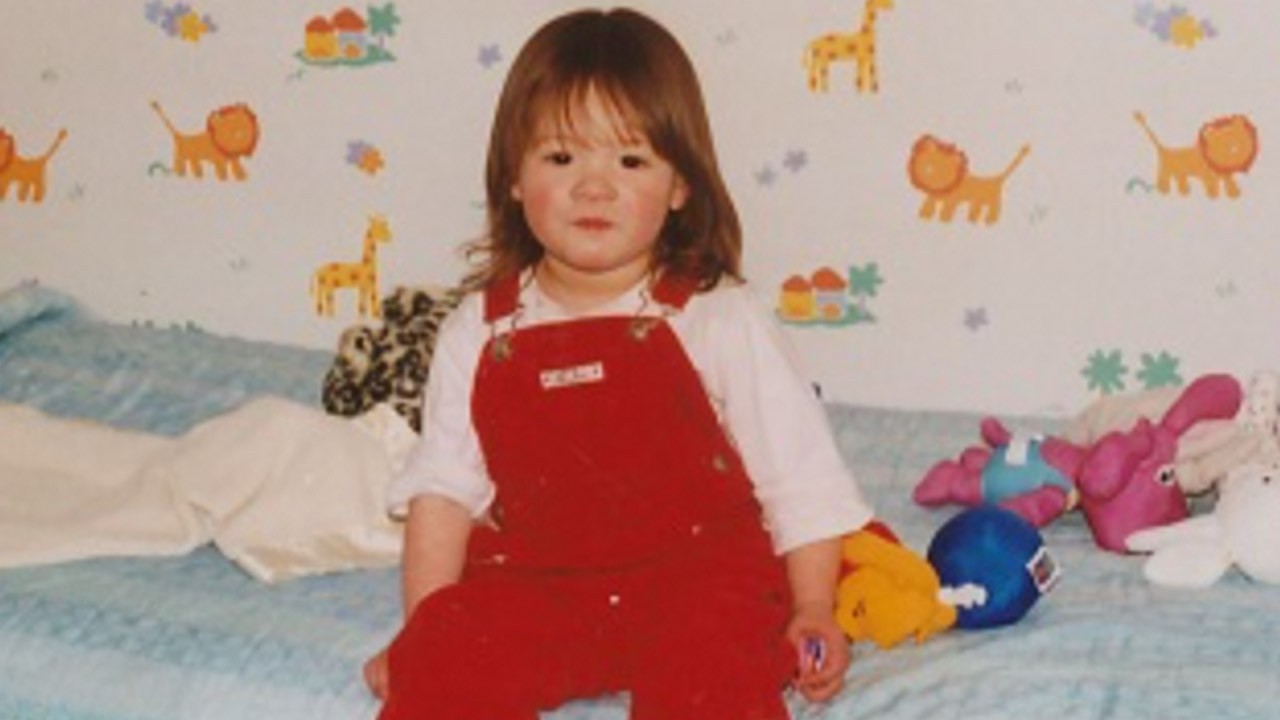
The National September 11 Memorial & Museum remembers Christine as a “bright, busy toddler who loved taking trips to the playground and helping her father in the garden.” She carried with her a beloved Peter Rabbit toy from her grandmother, Eunice Hanson—a gift acknowledging Christine’s birth in the Chinese Year of the Rabbit. Two Winnie-the-Pooh stickers still adorned the toy, a charming mark of her innocent joy and childlike delight. “She put stickers on everything she liked; I suppose it was her mark of approval,” Eunice recalled, offering a glimpse into the simple yet meaningful rituals that defined Christine’s world.
A treasured photograph in the museum’s collection captures Christine on her first birthday, dressed in traditional Korean clothing and framed by the word “Peace”—a profound symbol of both the life she lived and the hope for a world free from violence.
The Power of Memory: How Loved Ones Honor Their Family
The loss of Peter, Sue, and Christine Hanson is not solely a story of tragedy, but also of remembrance and the enduring ties of love. For Christine’s grandparents, photographs and cherished belongings have become a way to keep her spirit alive. Eunice Hanson reflected on the word “Peace” as it framed Christine’s image, describing it as especially poignant: “That one word describes Christine’s parents, who were loving people and believed in kindness.”
Lee Hanson has spoken movingly about the family’s final days together, including his last conversation with Christine. He recalled telling his granddaughter that he loved her and asking, “Aren’t we lucky that we have each other to love?” Christine’s happy response—dancing with excitement and throwing her arms wide—exemplifies the affectionate and joyful connections that continue to inspire her family and community.
Today, the Hansons’ names are forever etched together at the September 11 Memorial, a testament to their lives and the collective loss endured by families everywhere. The lasting memorialization of their story ensures that their legacy, as well as their roles as loving parents and grandparents, will never be forgotten.
The Broader Impact: The Significance of Personal Stories in Understanding 9/11
The narrative of the Hanson family highlights the profound personal toll of the September 11 attacks. While the scale of the disaster is often measured in statistics and policy shifts, it is the individual accounts—calls between loved ones, last words, and family traditions—that humanize the tragedy and remind us of the far-reaching consequences of such events.
Personal stories like that of the Hansons have played a critical role in shaping the national dialogue around 9/11. Their preserved calls and memories have informed educational exhibits, documentaries, and public commemorations, ensuring that the legacy of compassion, bravery, and hope continues to resonate.
Moreover, the detail and emotion gathered in archival material such as oral histories, written testimonies, and museum artifacts provide valuable resources for historians and the public alike. These materials foster understanding—across generational, cultural, and national boundaries—about the cost of terrorism and the resilience communities must find in the face of loss.
Commemoration and Healing: The Role of Memorials
Central to the public response to 9/11 has been the establishment of memorials and remembrance ceremonies. The placement of the Hansons’ names on the September 11 Memorial in New York City symbolizes the broader effort to honor every victim individually while fostering collective healing. Each name, each story, and each shared memory contributes to an ongoing commitment to remember not just the day, but the people at its heart.
The National September 11 Memorial & Museum also engages in educational work, presenting artifacts and personal effects—such as Christine’s Peter Rabbit toy—to new generations. In turn, visitors to the memorials and museums are encouraged to consider the individual humanity at the core of global events, reinforcing empathy and understanding as essential elements of the healing process.
Support structures for families impacted by 9/11, such as counseling services, advocacy groups, and survivor networks, also play a vital part in the healing journey. Public and private organizations continue to work alongside families to ensure that stories like the Hansons’ are preserved, respected, and used to advocate for positive societal change both nationally and worldwide.
Global Reflections: The Ripple Effect of September 11
The repercussions of the September 11 attacks extended far beyond the immediate loss of life, touching nearly every aspect of society and global relations. International communities have expressed solidarity with those directly affected, and public commemorations continue to take place around the world each year on September 11.
For families such as the Hansons, these gestures underscore the shared nature of grief and the universality of the desire for peace. Christine’s photograph, encircled by the word “Peace,” serves as a powerful reminder not only to her family but also to the many visitors who encounter her story at the memorial. By honoring her memory, and those of countless others, the world reaffirms its commitment to compassion and resilience.
From educational curricula to cultural works of art and literature, the narrative of personal loss has informed broader discourses on tolerance, security, and the importance of individual lives within global events.
Continuing the Legacy: Advocacy and Education
In the years following the attacks, efforts have expanded to educate the public on the events of September 11, 2001, its aftermath, and the lives it irrevocably changed. Initiatives like the oral history project at the 9/11 Memorial Museum, research from leading universities, and public symposia have all contributed to a detailed, nuanced understanding of the tragedy.
The Hanson family’s experience, including the preservation of Peter’s phone calls and Christine’s artifacts, has provided a focal point for discussions about family, grief, and hope. Their story serves as a call to empathy and action—reminding society to honor the past while striving for a more peaceful, inclusive, and caring future.
A Lasting Lesson: The Importance of Remembrance
As the world marks twenty-five years since the September 11 attacks, families like the Hansons continue to shape collective memory and dialogue. Their courage, love, and dignity in the face of tragedy inspire ongoing acts of remembrance and community-building. Whether through personal recollections, museum exhibits, or the simple act of reading names at the memorial, each gesture of remembrance helps to ensure that the lessons of 9/11—and the lives behind the statistics—will never be forgotten.
In recalling Peter, Sue, and Christine Hanson, we are reminded of the profound impact of individual lives, the strength of human connection, and our shared responsibility to honor memory, support healing, and work towards a more peaceful world.
Sources
Disclaimer: This content is intended for entertainment purposes only and is not based on real events.