

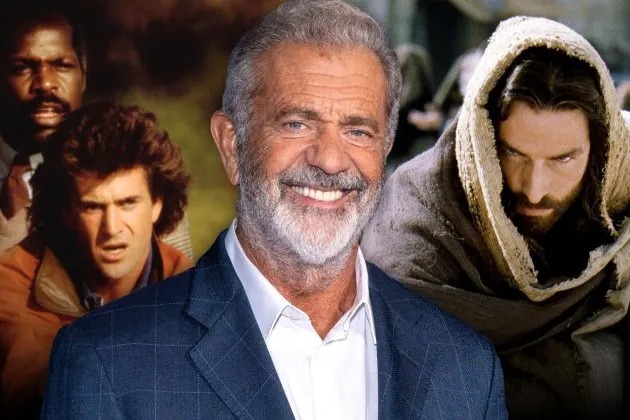
Few careers in Hollywood have followed a path as dramatic as that of Mel Gibson. Once one of the most bankable stars in the industry, Gibson experienced a period of significant decline before gradually rebuilding his reputation.
His journey—from global success to controversy and then to a cautious comeback—offers insight into how the entertainment industry evolves and how public figures navigate change.
Early Success and Global Recognition
Gibson first rose to fame through major film franchises that defined action cinema in the late 20th century. His performances in the Mad Max series and the Lethal Weapon franchise helped establish him as a leading actor.
Beyond acting, he gained recognition as a director. His work on Braveheart earned critical acclaim and multiple awards, including recognition from the Academy Awards.
At this stage, Gibson was widely regarded as both a commercial and creative force in Hollywood.

A Period of Controversy
Despite his success, Gibson’s career faced serious challenges in the mid-2000s. Public incidents and controversial statements led to widespread criticism and strained relationships within the industry.
During this period, many studios distanced themselves, and his presence in mainstream Hollywood projects became limited.
This phase illustrates how public perception can significantly impact a career, especially in an industry closely tied to audience sentiment.
Stepping Away From the Spotlight
Following these controversies, Gibson’s appearances became less frequent. He focused more on independent projects and worked largely outside the traditional studio system.
While he remained active in filmmaking, his visibility in major productions was reduced. For several years, his career appeared uncertain.
However, this time also allowed for reflection and gradual repositioning.

The Turning Point: A Return Through Directing
Gibson’s comeback began to take shape with his return to directing. His 2016 film Hacksaw Ridge marked a significant moment in his career.
The film received strong reviews and multiple nominations at the Academy Awards, signaling renewed recognition of his work behind the camera.
This success demonstrated that audiences and critics were willing to engage with his projects again, particularly when the focus was on storytelling and craftsmanship.
Gradual Return to Acting
Following the success of his directorial work, Gibson began appearing more frequently in films. While not always in leading blockbuster roles, his performances contributed to a steady reentry into the industry.
Projects during this period showed a shift toward diverse roles, including independent films and ensemble casts.
This gradual approach allowed him to rebuild credibility without the immediate pressure of major headline roles.
Changing Industry Dynamics
Gibson’s comeback also reflects broader changes in Hollywood. The entertainment industry has become more complex, with streaming platforms, global audiences, and independent productions offering new opportunities.
In this environment, career paths are less linear. Filmmakers and actors can find success through different channels, even after setbacks.
Gibson’s return highlights how adaptability can play a key role in long-term success.
Public Perception and Accountability
A significant factor in any comeback is public perception. Over time, audiences may reassess figures based on new work, changing cultural contexts, and demonstrated growth.
In Gibson’s case, discussions about accountability and personal conduct have remained part of the conversation. His career illustrates how professional achievements and public image are often closely linked.
Lessons From a Complex Career
There are several takeaways from Gibson’s journey:
Careers can evolve through different phases, including setbacks
Creative work can serve as a path to rebuilding reputation
Public perception plays a critical role in long-term success
Adaptability is essential in a changing industry
These lessons extend beyond entertainment, offering insight into resilience and reinvention.
Conclusion: A Story of Persistence and Transformation
The career of Mel Gibson is a reminder that success is rarely linear.
From early acclaim to public challenges and eventual return, his journey reflects both the pressures of fame and the possibility of renewal.
Human curiosity often draws us to stories of rise and fall, but what keeps us engaged is the process of transformation. In Gibson’s case, that transformation continues to unfold—shaped by both past experiences and present efforts.
Sources
Academy of Motion Picture Arts and Sciences
BBC
The Guardian
Variety