

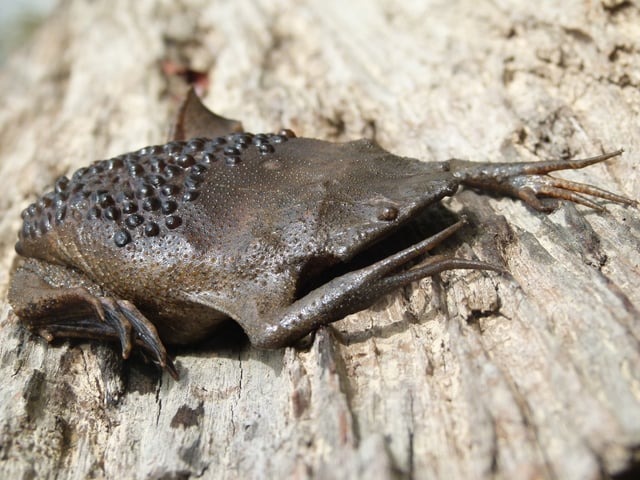
The Surinam toad, scientifically known as Pipa pipa, offers one of the most fascinating and unconventional reproductive strategies observed in the animal kingdom. Native to the swamps and streams of the Amazon Basin in South America, this amphibian challenges our perceptions of maternal care and survival as it transforms the very essence of its body into a protective nursery for its young.

A Dance of Life in Murky Waters
In the still, dark waters that are their home, the mating ritual of the Surinam toad resembles a delicate performance. Males and females engage in a slow and careful courtship, where the male fertilizes the female’s eggs as they are released into the water. What follows is a remarkable process that has captivated researchers and nature enthusiasts alike.
The female lays her eggs, which the male fertilizes mid-fall. In a striking display of biological adaptation, she then presses the fertilized eggs into the pliable skin of her back. This unique method of brooding is unlike any other observed in amphibians and results in a living nursery that harbors developing tadpoles beneath her skin.
The Metamorphosis Beneath the Skin
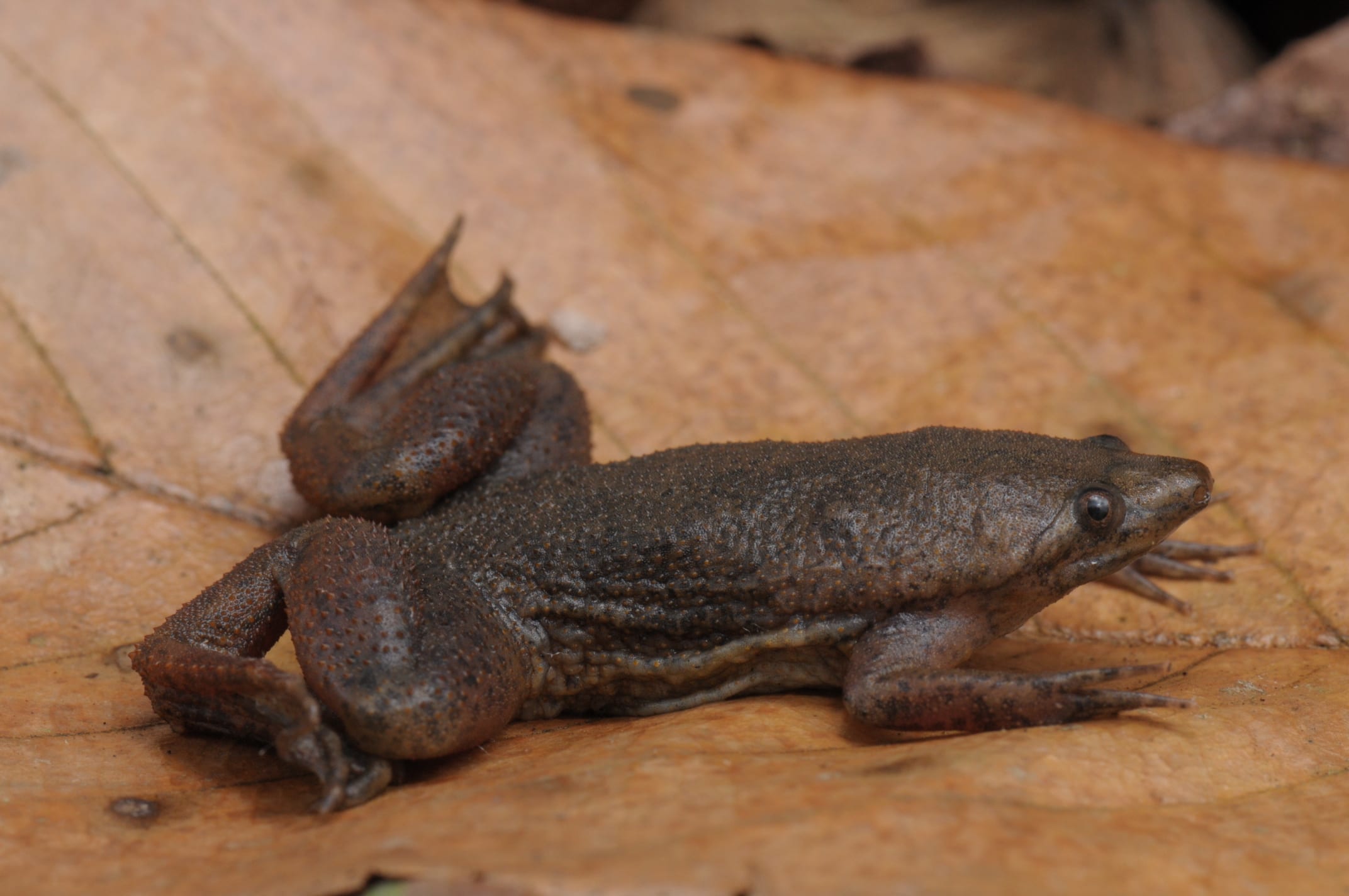
Once the eggs are safely embedded in the female’s back, the next phase of development begins. The embryos are shielded from predators and environmental hazards, experiencing a complete metamorphosis inside their protective pockets. This transformation occurs in the darkness, with the tadpoles absorbing nutrients and developing vital organs and limbs.
As they grow, the tadpoles undergo significant changes: their tails gradually diminish, legs emerge, and their bodies are restructured to prepare them for life outside of their mother. When they reach maturity, their exit is nothing short of dramatic. The fully formed toads break through the thin layer of skin, resulting in several simultaneous births that can be startling to witness.

The Shocking Birth Process
At the culmination of this extraordinary method of reproduction, dozens of tiny toads erupt from the mother’s back in rapid succession. This shocking scene challenges conventional notions of birth and maternal sacrifice; the mother undergoes a physical transformation true to the harsh realities of survival in their natural habitat.
As each young toad emerges, the skin rapidly seals up, returning to its relatively normal appearance. While it may seem disturbing to an observer, this process is a testament to the resilience and adaptability of the Surinam toad as a species, ensuring that their young have the best chance for survival in an often hostile environment.
The Ecological Significance of the Surinam Toad
The Surinam toad plays an essential role in the biodiversity of its ecosystem. As a part of the food web, it contributes to the population control of various insects and invertebrates, and its unique method of reproduction provides insight into the complexities of amphibian life cycles.
Furthermore, as habitats worldwide face threats from deforestation, climate change, and pollution, the survival of species such as the Surinam toad becomes increasingly significant. Their intricate reproductive strategies could inform conservation efforts and ecological studies regarding amphibians and their responses to changing environments.

Comparative Reproductive Strategies in Amphibians
The Surinam toad’s reproductive method is but one of many fascinating strategies found among amphibians. Species like the poison dart frog display parental care by transporting their tadpoles to water sources, while others lay thousands of eggs in hopes that a few will survive.
Understanding these varied reproductive strategies not only highlights the evolutionary adaptations of different species but also emphasizes the delicate balance that exists within ecosystems. Each method, whether it be egg-laying, live birth, or unconventional brooding, contributes to the survival of these species in their specific environments.
Conclusion
The Surinam toad represents a remarkable intersection of biology, ecology, and evolution. Its unique reproductive strategy compels us to rethink our understanding of motherhood and survival in the natural world. The capacity for such adaptation highlights the ongoing processes of evolution and the myriad ways life finds a way to endure.
As we continue to study and learn more about these extraordinary creatures, we not only gain insight into amphibian life but also into the health of our ecosystems. Protecting the habitats of the Surinam toad and similar species is crucial for maintaining biodiversity and ecological balance in our world.