
Many headlines promise a “shocking transformation,” but behind those dramatic phrases is often a much deeper human story. Rajee Narinesingh’s experience is not simply about appearance. It is about resilience, informed medical care, and the importance of protecting patients from unsafe practices.
Over the years, Rajee’s journey has become widely known because it highlights the serious risks associated with unlicensed cosmetic procedures. Rather than focusing on sensational details, her story offers valuable lessons about patient safety, informed consent, and the importance of seeking qualified healthcare professionals.
This article explores her experience with a balanced perspective, examining both the medical facts and the broader social issues surrounding access to safe cosmetic and gender-affirming care.
Who Is Rajee Narinesingh?
Rajee Narinesingh is an American author, public speaker, television personality, and transgender advocate.
Growing up in New York City during a time when transgender healthcare was far less accessible than it is today, she faced significant personal and societal challenges. Like many transgender individuals of her generation, she encountered limited medical resources, financial barriers, and widespread misunderstanding regarding gender identity.
Her desire to align her physical appearance with her identity eventually led her to seek cosmetic procedures.
The Dangers of Illegal Cosmetic Injections
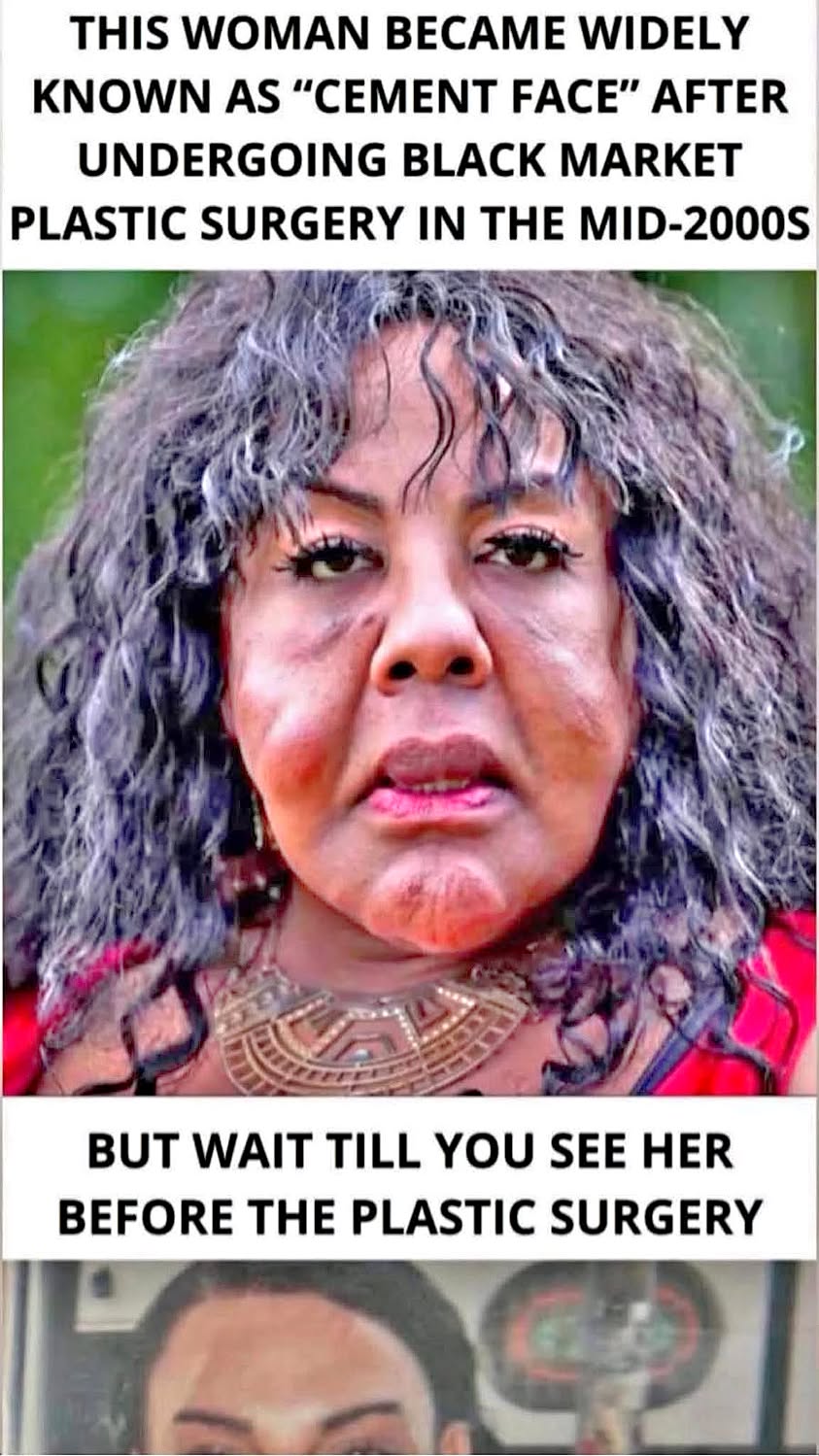
In 2005, Rajee underwent cosmetic injections performed by an individual who was not licensed to provide such medical treatment.
According to court records and numerous news reports, she believed she was receiving cosmetic fillers. Instead, authorities later alleged that the injected materials included industrial substances that were never approved for medical use.
The procedures resulted in severe long-term complications that required years of specialized medical care.
Her experience became one of the most widely reported examples of the dangers associated with underground cosmetic procedures.
Why Licensed Medical Care Matters
Cosmetic treatments should always be performed by appropriately trained and licensed healthcare professionals.
Qualified practitioners typically:
Conduct thorough medical evaluations.
Explain potential risks and benefits.
Use approved medical products.
Maintain sterile clinical environments.
Provide follow-up care.
These safeguards significantly reduce the likelihood of serious complications.
Medical experts consistently warn against receiving cosmetic procedures from unlicensed providers or in non-medical settings.
Understanding Medical Fillers
Modern cosmetic fillers are regulated medical products that undergo extensive safety testing before approval.
Depending on the country, approved fillers may include substances such as hyaluronic acid or other medically evaluated materials designed specifically for cosmetic use.
Patients should verify that both the provider and the products being used are properly licensed and approved by the appropriate health authorities.
The Challenges of Corrective Surgery
After experiencing severe complications, Rajee sought help from experienced reconstructive surgeons.
Her appearance on the television program Botched introduced viewers to the complexity of treating injuries caused by unapproved cosmetic materials.
Rather than attempting to achieve cosmetic perfection, surgeons focused on improving function, reducing complications, and enhancing her overall quality of life.
Corrective treatment required careful planning and multiple procedures over an extended period.

The Emotional Side of Recovery
Recovery involved much more than physical treatment.
Living with visible medical complications can affect:
Self-confidence
Mental well-being
Social relationships
Daily activities
Personal identity
Mental health professionals often emphasize that emotional recovery deserves as much attention as physical healing.
Support from healthcare providers, family members, and communities can play an important role throughout rehabilitation.
Broader Healthcare Lessons
Rajee’s story also highlights larger conversations about healthcare accessibility.
Experts note that when safe medical care is financially or socially difficult to obtain, some individuals may become vulnerable to unsafe alternatives.
Improving access to affordable, evidence-based healthcare can help reduce the demand for unregulated procedures.
Healthcare organizations continue to advocate for:
Better patient education.
Accessible qualified providers.
Transparent pricing.
Public awareness campaigns.
Stronger oversight of illegal medical practices.
Medical Ethics and Informed Consent
Ethical healthcare depends upon informed consent.
Before any cosmetic procedure, patients should understand:
The treatment being performed.
Possible benefits.
Known risks.
Expected recovery.
Alternative options.
Qualified healthcare professionals encourage patients to ask questions and make informed decisions without pressure.
Trust between patients and providers is one of the foundations of safe medical care.
Legal Accountability
Authorities investigated the individual responsible for administering the illegal procedures.
Court proceedings ultimately resulted in criminal convictions related to practicing medicine without appropriate licensing and other offenses connected to the case.
The legal process reinforced the importance of enforcing medical regulations designed to protect public health.
Cases such as this have contributed to increased awareness of illegal cosmetic practices.
Becoming an Advocate
Rather than allowing the experience to define her entirely, Rajee chose to use her story to educate others.
Today she is recognized for her work as:
An author.
A motivational speaker.
A transgender advocate.
A patient safety educator.
Her public appearances focus less on the procedures themselves and more on encouraging informed healthcare decisions and greater compassion for people recovering from medical trauma.
The Science Behind Safe Cosmetic Procedures
Modern cosmetic medicine relies on rigorous scientific standards.
Before products reach patients, they are typically evaluated for:
Safety.
Effectiveness.
Manufacturing quality.
Clinical performance.
Even approved treatments carry some risks, which is why consultation with qualified professionals remains essential.
Consumers should be cautious of unusually inexpensive offers or procedures performed outside legitimate medical clinics.
Practical Tips Before Considering Cosmetic Treatment
Experts recommend taking several important steps before undergoing any cosmetic procedure.
Research the provider’s qualifications.
Confirm professional licensing.
Verify that approved medical products will be used.
Review independent patient experiences.
Ask detailed questions during consultations.
Never feel pressured to make immediate decisions.
Taking time to evaluate options carefully can improve both safety and satisfaction.
A Story of Resilience
Although Rajee’s experience began with profound hardship, it ultimately became a story of perseverance.
Her recovery demonstrates how compassionate healthcare, skilled medical professionals, and personal determination can help individuals rebuild their lives after serious medical complications.
While not every aspect of the damage could be completely reversed, her journey has inspired broader conversations about patient safety and ethical medical practice.
Conclusion
Rajee Narinesingh’s story extends far beyond cosmetic procedures. It is a reminder of the importance of informed consent, qualified medical care, and compassionate treatment for every patient.
Scientific advances continue to improve cosmetic medicine, but those benefits depend on receiving care from trained professionals using approved medical products. Her experience also highlights the need for accessible healthcare so that individuals are not driven toward unsafe alternatives.
Human curiosity often draws us to remarkable personal stories, yet their greatest value lies in the lessons they teach. Rajee’s journey encourages greater awareness, stronger patient protections, and a deeper appreciation for ethical healthcare built on safety, respect, and informed decision-making.
Sources
American Society of Plastic Surgeons (ASPS). Patient safety guidance for cosmetic procedures.
U.S. Food and Drug Administration (FDA). Information on dermal fillers and cosmetic injectables.
American Board of Cosmetic Surgery (ABCS). Choosing qualified cosmetic surgeons.
Mayo Clinic. Cosmetic procedures and informed patient decision-making.
Peer-reviewed medical literature on complications associated with unapproved injectable materials.
Court records and reputable news coverage regarding the legal proceedings involving Oneal Ron Morris.