

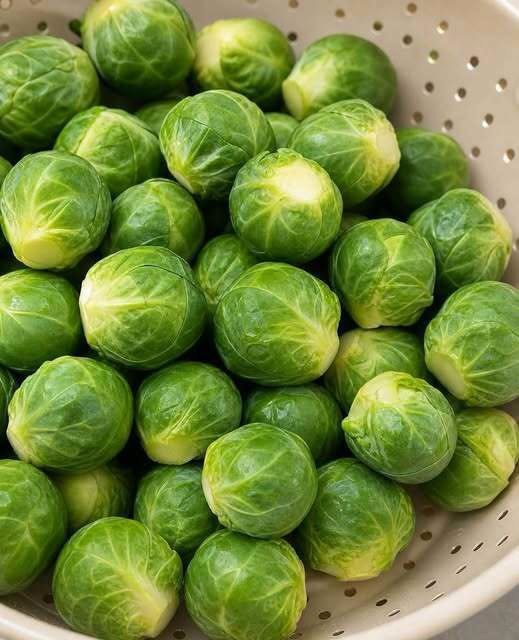
How Improved Cooking Methods Transformed Brussels Sprouts’ Reputation

Introduction: The Turnaround of a Vilified Vegetable
Brussels sprouts have long faced a challenging reputation, especially among children who often recalled the vegetable with reluctance or outright distaste. For decades, their presence at dinner tables evoked memories of mushy textures, pungent smells, and lackluster flavor. The primary culprit has been traditional boiling techniques that tend to mask the subtle, nutty sweetness of the sprout by overcooking and leaching out both texture and nutrients. However, advances in contemporary culinary methods, changing nutritional perspectives, and renewed interest by top chefs have all contributed to an extraordinary transformation in how Brussels sprouts are perceived and enjoyed across the globe.
The Historical Challenge: Overcooking and a Tainted Image
Brussels sprouts originate from ancient Mediterranean and later European agriculture, with widespread cultivation established in Brussels, Belgium, by the 16th century. Despite their rich heritage, the vegetable’s reputation suffered particularly in the mid-to-late 20th century. Home and institutional cooks commonly boiled them in excess, leading to soggy and dull vegetables on the plate. Extended boiling causes the glucosinolates and sulfur compounds in Brussels sprouts to break down, intensifying the characteristic sulfur odor that many people associate with overcooked cabbage and other cruciferous vegetables.
This systemic overcooking not only created an unappetizing smell but also left Brussels sprouts limp and bitter. As a result, especially among Western families, the vegetable commonly appeared on lists of children’s least favorite foods and became an emblem of dreaded, nutrient-driven home cooking in popular culture and media.
Culinary Renaissance: Roasting, Sautéing, and Raw Presentations
The evolution in the preparation of Brussels sprouts marks one of the most striking food turnarounds of recent decades. Roasting at high temperatures has become the standard-bearer among innovative cooks and restaurants. When Brussels sprouts are oven-roasted, the dry heat caramelizes their natural sugars, resulting in crispy, golden-brown outer leaves and a tender, flavorful interior.
Other techniques have followed, such as pan-searing with olive oil, grilling for a smoky note, or even serving shaved raw sprouts as the base for modern salads. Light steaming or blanching for just a few minutes allows the vegetable to retain its vibrant color and satisfying bite, rather than becoming unpalatably soft.
The Science Behind Better Flavor
Understanding the plant chemistry of Brussels sprouts reveals why modern cooking methods make such a difference. Historically, the bitterness often detected in Brussels sprouts was accentuated by high levels of glucosinolates, especially sinigrin. However, decades of selective breeding have gradually reduced the content of these bitter compounds. Recent scientific analyses, such as those published by agricultural researchers in The Netherlands and Germany, show that today’s cultivars are milder and sweeter than varieties common in the 20th century.
Caramelization brought out by roasting further enhances flavor, as sugars and amino acids interact under high-temperature conditions to develop complex Maillard reaction flavors. Meanwhile, limiting the application of water (such as by avoiding boiling) retains more vitamins—particularly vitamin C, which is otherwise water soluble and lost during excessive cooking.
Expert Views: Chefs and Nutritionists Reconsider Brussels Sprouts
High-profile chefs have played a notable role in re-imagining Brussels sprouts for an ever-curious public. Television personalities and food writers, such as Jamie Oliver and Yotam Ottolenghi, have routinely championed recipes that pair sprouts with flavorful accompaniments like lemon zest, whole-grain mustard, balsamic vinegar, roasted nuts, or even a light sprinkling of pancetta. According to American celebrity chef Ina Garten, “The bitterness that everyone remembers from their childhood is gone. Served hot, crispy, and well-seasoned, Brussels sprouts are irresistible.”
Nutritionists have also recalibrated their presentation of Brussels sprouts. A staple of the cruciferous vegetable family (which also includes broccoli, kale, and cabbage), Brussels sprouts are rich in fiber, vitamins C and K, and even contain plant-based omega-3 fatty acids. Numerous studies published in journals such as The American Journal of Clinical Nutrition have linked cruciferous vegetables to lower risks of cardiovascular disease and certain cancers, further cementing their role in a healthy diet.
Recipes and Seasonings That Changed Perceptions
One key to the acceptance of Brussels sprouts has been creative seasoning. When roasted, Brussels sprouts can be tossed with simple kitchen staples: cracked black pepper, high-quality olive oil, and sea salt. But cooks have gone further, experimenting with combinations that include garlic, shallots, fresh herbs, lemon juice, honey glazes, toasted nuts, and maple or balsamic reduction drizzles.
Adding savory, umami-rich ingredients—such as crumbled bacon, smoked paprika, or shaved hard cheeses—heightens the sprouts’ appeal and complements their earthiness. Such inventive approaches make Brussels sprouts a natural fit for seasonal holiday tables, particularly around Thanksgiving and Christmas in the United States, United Kingdom, and many Commonwealth nations. The flexibility of these preparations supports their migration from a side dish to a main course in vegetarian and vegan cuisine.
Raw and International Preparations
The transformation of Brussels sprouts is not limited to roasting alone. Thinly shaved raw Brussels sprouts, tossed in light vinaigrettes and paired with ingredients like apples, walnuts, or dried cranberries, have become popular as a base for fresh, textural salads, bringing out the vegetable’s crispness and subtle nutty notes.
Globally, chefs have incorporated Brussels sprouts into a range of dishes beyond traditional Western fare. In Korean cuisine, for example, Brussels sprouts are sometimes kimchi’d or stir-fried with Gochujang for a spicy twist. In Italy, sprouts might appear sautéed with pasta, hazelnuts, and lemon, while fusion chefs in North America serve crispy Brussels sprouts with Asian-style soy or sesame dressings as a bar snack or appetizer.
Societal and International Reactions
The evolution in perception is reflected in food culture trends, restaurant menus, and home cooking statistics. According to a 2023 report by Mintel, popularity and retail sales of fresh and prepared Brussels sprouts have increased significantly in both North America and Europe over the past decade. Social media platforms such as Instagram and Pinterest are abundant with visually striking images and recipes highlighting caramelized, creatively seasoned sprouts.
International reactions show that while Brussels sprouts remain somewhat niche in regions where they are not widely grown, global food networks and the trend towards plant-forward diets have led to increased curiosity and acceptance. The World Health Organization and leading national ministries of health regularly include Brussels sprouts in guidelines for vegetable diversity and consumption, appreciating their plentiful nutrients and versatility.
Lessons in Culinary Innovation
The journey of Brussels sprouts from a maligned dinner-table fixture to a trendy, nutritious ingredient is less about the vegetable itself and more about how it is prepared and presented. This narrative offers a broader lesson about food culture, reminding both home cooks and professionals that preparation methods can profoundly influence the sensory qualities of any ingredient. As more people explore creative approaches to vegetables, perceptions can change—sometimes dramatically.
Moreover, this turnaround story coincides with increasing societal awareness of sustainable food practices. Brussels sprouts, which are hardy, low-effort to grow, and productive in northern climates, fit well into farm-to-table and locavore movements, reinforcing their revived reputation as both delicious and environmentally friendly.
Conclusion: A Vegetable Redeemed by Innovation
The transformation of Brussels sprouts exemplifies how culinary innovation, combined with an understanding of food science and nutrition, can refresh the image of even the most maligned ingredients. Today, whether roasted to crisp perfection, shaved for salads, or incorporated into international dishes, Brussels sprouts are enjoying a renaissance in home kitchens and high-end restaurants alike. Their journey highlights that with the right preparation, any food can reveal its potential and claim a beloved role at the table.
Sources
- BBC: Brussels Sprouts
- Reuters: How Farming Tamed Bitterness in Brussels Sprouts
- The Guardian: How Chefs Transformed the Brussels Sprout
- CDC Nutrition Guidelines
- Mayo Clinic: The Benefits of Vegetables
- WHO: Healthy Diet Guidelines
Disclaimer: This content is intended for entertainment purposes only and is not based on real events.