


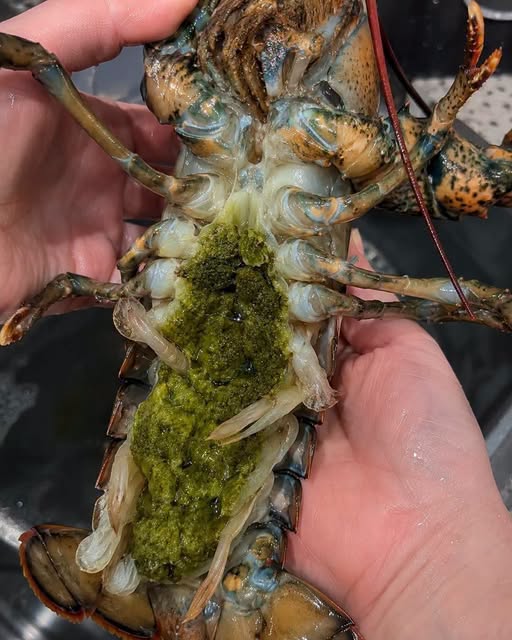
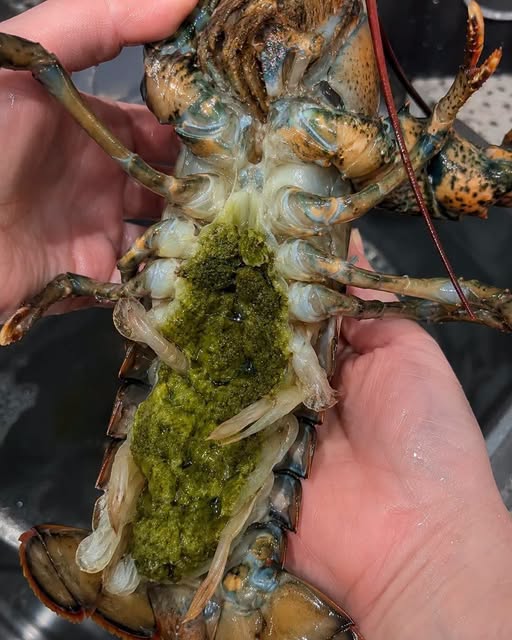
If you’ve ever cracked open a freshly cooked lobster, you may have noticed a soft green substance inside the body cavity. For first-time diners, it can be surprising—even a little alarming. Is it part of the meat? Is it safe to eat? Or should it be avoided altogether?
The green material is called tomalley, and while it has long been considered a delicacy by some seafood lovers, it also raises important food safety questions.
What Is the Green Stuff Inside a Lobster?
The green substance is known as tomalley, an organ that functions as both the lobster’s liver and pancreas. It plays a vital role in:
- Digesting food
- Producing digestive enzymes
- Storing nutrients
- Filtering substances from the lobster’s body
Unlike the white tail and claw meat that most people enjoy, tomalley is an internal organ rather than muscle tissue.
Why Do Some People Love It?
Tomalley has been prized in some culinary traditions for its:
- Rich, buttery texture
- Intense seafood flavor
- Creamy consistency
Some chefs use small amounts to:
- Spread on toasted bread
- Blend into seafood sauces
- Add depth to lobster bisque
- Enhance pasta or butter sauces
Its strong taste isn’t for everyone, but many seafood enthusiasts consider it a special treat.
Are There Safety Concerns?
While tomalley is not inherently poisonous, food safety experts recommend moderation.
Because it acts as a filtering organ, tomalley can accumulate:
- Environmental pollutants
- Heavy metals
- Naturally occurring marine toxins
- Harmful compounds produced during certain algal blooms
For this reason, several public health agencies have advised consumers to avoid or limit eating lobster tomalley, particularly when shellfish are harvested from areas affected by harmful algae or contamination.
The white lobster meat generally does not accumulate these substances at the same levels and remains the preferred portion for most diners.
Should You Eat It?
The decision is ultimately a personal one.
You may choose to eat tomalley if:
- The lobster comes from reputable, well-monitored fisheries.
- There are no local seafood safety advisories.
- You consume it only occasionally and in small amounts.
You may prefer to skip it if:
- You are pregnant or breastfeeding.
- You have a weakened immune system.
- You are serving young children.
- There are active shellfish or algal bloom warnings in your area.
When in doubt, following local seafood advisories is the safest approach.

Tips for Enjoying Lobster Safely
To get the most out of your meal:
- Purchase lobster from trusted seafood suppliers.
- Cook lobster thoroughly.
- Check for any local shellfish safety advisories before consumption.
- Enjoy the tail, claw, and knuckle meat with confidence.
- Consider limiting or avoiding tomalley if you have concerns about contaminants.
The Bottom Line
The mysterious green substance inside a lobster is tomalley, an organ responsible for digestion and nutrient storage. While many people appreciate its rich, distinctive flavor, it can also concentrate certain environmental contaminants over time.
For most diners, the prized lobster meat remains the highlight of the meal. Whether you choose to sample the tomalley or leave it aside, understanding what it is allows you to make an informed decision that matches your comfort level and local food safety guidance.

Sources
- U.S. Food and Drug Administration (FDA)
- Health Canada
- Maine Department of Marine Resources
- National Oceanic and Atmospheric Administration (NOAA)