

More than two weeks after powerful twin earthquakes struck Venezuela, authorities continue to grapple with a humanitarian crisis marked by thousands of deaths, widespread displacement, and growing public health concerns.
Officials say thousands of people have lost their lives, while nearly 18,000 residents remain without permanent housing as rescue, recovery, and relief efforts continue.
Twin Earthquakes Devastated Central Venezuela
The disaster began on June 24, when two powerful earthquakes measuring magnitude 7.2 and 7.5 struck within seconds of each other.
The earthquakes caused severe damage across Caracas and the coastal state of La Guaira, where many buildings collapsed or suffered major structural damage. The closely timed quakes created widespread destruction, making rescue operations particularly challenging.
Thousands Killed and Injured
According to the latest official figures released by Venezuelan authorities:
- 3,535 people have died.
- 16,740 people have been injured.
- 17,854 people remain displaced without permanent housing.
More than 12,800 displaced residents are currently staying in approximately 80 temporary shelters established across Caracas and La Guaira.
Health Risks Growing in Emergency Shelters
Public health experts warn that temporary shelters face increasing challenges as thousands continue living in crowded conditions.
According to advisers working with the Pan American Health Organization (PAHO), major concerns include:
- Overcrowding
- Limited ventilation
- Inadequate access to safe drinking water
- Poor sanitation
- Food and waste management challenges
These conditions can increase the risk of illnesses such as:
- Respiratory infections
- Diarrheal diseases
- Skin infections
- Dengue fever
- Vaccine-preventable diseases, including tetanus and measles
Health officials are monitoring conditions closely while evaluating targeted vaccination campaigns for shelter residents.

Recovery and Relief Efforts Continue
Emergency responders remain active in affected communities, although many search-and-rescue operations have shifted toward recovery efforts.
Authorities have:
- Deployed security forces and emergency personnel.
- Opened temporary shelters for displaced families.
- Continued damage assessments of homes and infrastructure.
- Coordinated with international organizations to provide humanitarian assistance.
The United Nations, World Health Organization (WHO), and PAHO are supporting relief operations by helping manage emergency medical care, disease prevention efforts, and logistical support.
Burial Operations Underway
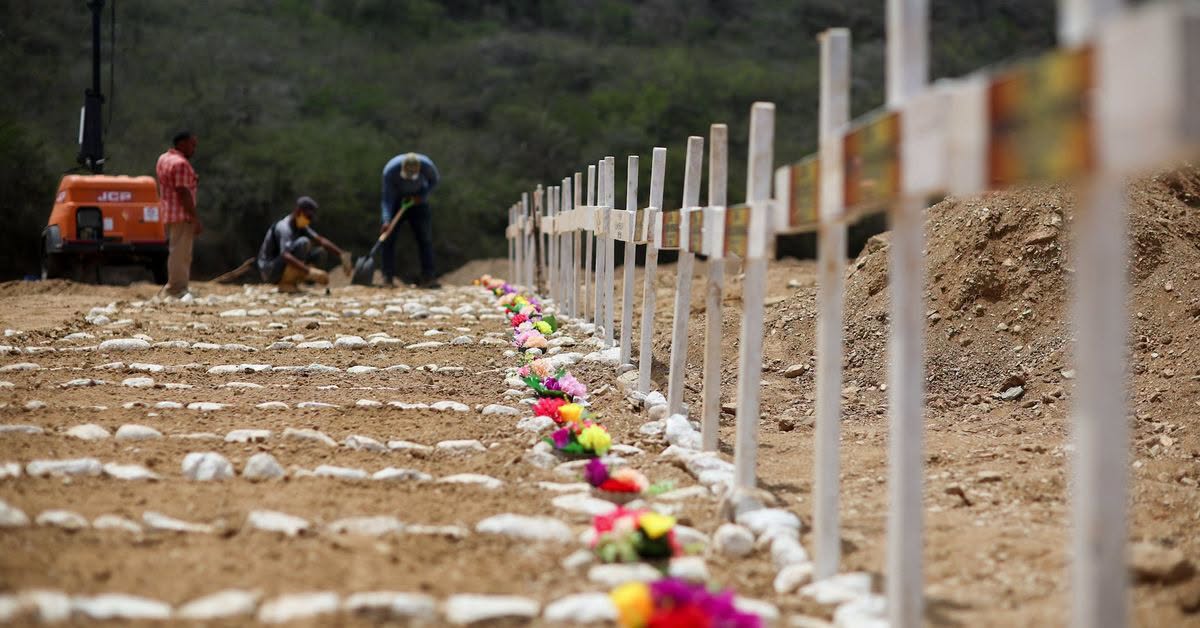
In La Guaira, authorities have begun large-scale burial operations as they work to respectfully handle the high number of fatalities.
International health organizations have supplied body bags, technical guidance, refrigerated storage facilities, and additional resources to assist local officials in managing the humanitarian response.
Government Response Faces Scrutiny
While Venezuelan officials say emergency resources were mobilized immediately after the earthquakes, some residents and humanitarian organizations have criticized the pace and coordination of the response.
Government leaders have defended their actions and announced additional measures aimed at strengthening future disaster preparedness, including the creation of a specialized military emergency unit.
Looking Ahead
As recovery enters its next phase, the focus is shifting from immediate rescue efforts to rebuilding communities, restoring essential services, and protecting public health.
For thousands of displaced families, the coming weeks will be critical as authorities and international partners work to provide shelter, medical care, clean water, and long-term recovery assistance following one of Venezuela’s most devastating natural disasters in recent history.
Sources
- Reuters
- Pan American Health Organization (PAHO)
- United Nations (UN)
- World Health Organization (WHO)