

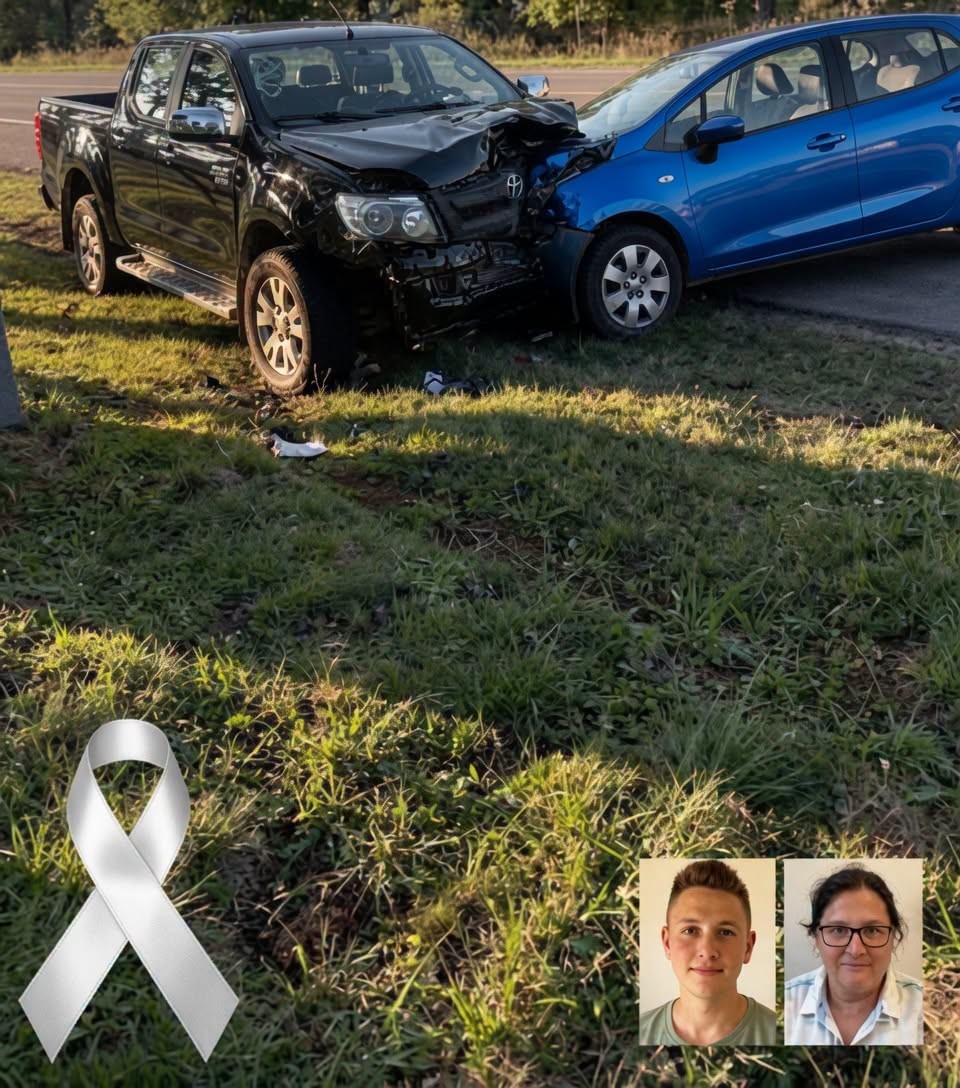
Twelve Young Lives Vanished: The Nuporanga Tragedy and Its Impact
Introduction
On a quiet evening near Nuporanga, Brazil, a tragic accident shocked an entire community and reverberated across the country. Twelve university students lost their lives in a collision between a bus and a truck, leaving families grappling with unimaginable loss and triggering a wave of mourning that extended far beyond local borders. The event not only disrupted lives but raised crucial questions about road safety, accountability, and the collective response of society to such tragedies.
The Event: What Happened Near Nuporanga?
According to official reports and local authorities, the accident occurred at night on a rural stretch of highway outside the municipality of Nuporanga, located in the state of São Paulo. Preliminary investigations suggest that a collision between a university transport bus and a cargo truck resulted in multiple fatalities and injuries. First responders described the scene as chaotic, with sirens echoing into the night and emergency personnel struggling to reach survivors.
At the heart of the tragedy were twelve university students, all young individuals with promising futures. Their bus, operated by the university, was returning from classes when it was struck by a truck reportedly carrying agricultural cargo. The impact caused both vehicles to overturn, resulting in twisted metal, shattered glass, and a severe disruption to the regular flow of traffic.
Immediate Response and Rescue Efforts
Emergency services from Nuporanga and neighboring regions responded within minutes. The rescue operation involved local police, firefighters, and paramedics, who worked through the night to extract survivors and manage the scene. The fatalities were confirmed early on, while several others received medical attention for injuries ranging from minor to severe.
Families and friends anxiously awaited news, as the local authorities worked to identify victims and inform loved ones. Many described the emotional turmoil of unanswered phones and messages never returned, as communities gathered at hospitals and police stations awaiting official updates.
Impact on the Community and University
The tragedy plunged the local university into mourning. Classes were immediately suspended, and counseling services activated to support students and faculty. Memorials and vigils began spontaneously, as classmates and teachers remembered those lost. The institution released statements expressing condolences and promising support for affected families.
Local government officials declared a period of official mourning, and flags were lowered in honor of the victims. The state of São Paulo joined in, with public figures and residents voicing sympathy and solidarity. Across the state, radio stations, news outlets, and social media carried messages of support, reflecting the broad impact of the event.
Investigation: Determining the Cause and Accountability
Authorities initiated a formal investigation within hours, seeking to reconstruct the sequence of events and identify contributing factors. According to the São Paulo Highway Patrol, both vehicles were equipped with standard safety features, and initial findings focused on possible mechanical failure, visibility conditions, and driver behavior.
The truck driver survived and was questioned by police. Investigators examined route data, vehicle maintenance records, and traffic camera footage to establish the exact circumstances. While toxicology tests were conducted as standard procedure, there was no immediate evidence of intoxication or reckless driving.
Experts in traffic engineering and safety weighed in, noting that rural highways in Brazil can present risks such as poor lighting, narrow lanes, and slow emergency response times. The accident revived broader debates about transportation safety, particularly the regulation of vehicles carrying large numbers of passengers or heavy cargo.
Road Safety in Brazil: National and Global Perspectives
Brazil has faced persistent challenges regarding road safety. According to data from the World Health Organization and Brazil’s Ministry of Health, traffic accidents are a leading cause of death, especially among young people. The country has implemented policies aimed at improving infrastructure and enforcing stricter regulations, but rural areas often lag behind urban centers in terms of safety features and monitoring.
International organizations, including the United Nations, have called for greater investment in road safety programs worldwide, citing similar accidents in other countries as examples of the urgent need to protect vulnerable travelers. Comparisons show that while Brazil has made progress in reducing fatalities through seatbelt campaigns and improved emergency response, incidents like Nuporanga highlight areas where more work is needed.
Support for Survivors and Families
The aftermath of the accident brought together local authorities, NGOs, and mental health professionals to provide support. Survivors received immediate healthcare, with specialized trauma units activated for those with serious injuries. Psychological counseling was offered to students, staff, and the families of victims, recognizing the long-term effects of loss and grief.
Charitable organizations and community groups organized fundraising efforts to assist affected families, covering funeral expenses and ongoing support needs. The university committed resources to ensure that survivors would have access to education and care in the coming months.
Broader Societal and International Reactions
News of the tragedy was covered by major national and global outlets, sparking a discussion about safety reforms and the prevention of similar events. Politicians called for renewed attention to transportation policy, and advocacy groups renewed calls for infrastructure upgrades in rural regions.
International experts offered condolences and noted the universal challenge of ensuring safe transit for students and young people. The tragedy was referenced in global forums on road safety, with Brazil’s situation underscoring the importance of sustained investment and education.
Lessons Learned and Policy Implications
As the investigation proceeds, authorities and experts have emphasized the importance of learning from the Nuporanga incident. Recommendations include regular vehicle inspections, improved highway lighting, and enhanced driver training. Policy-makers are reviewing current regulations to assess whether new measures could prevent future tragedies.
Community leaders and educators have stressed the role of public awareness, encouraging students and parents to advocate for safer transportation options. The event has become a catalyst for broader conversations, reminding society of the high stakes involved in daily commutes and the ongoing need for vigilance.
Conclusion
The loss of twelve young lives near Nuporanga will resonate for years to come, shaping public discourse and inspiring concrete action. While families and communities mourn, authorities continue their investigation and policymakers consider lasting reforms. The tragedy serves as a stark reminder of the fragility of life and the collective responsibility to ensure safety and support for all travelers. The legacy of those lost may ultimately be one of progress and hope, as society works to prevent similar events in the future.
Sources
Disclaimer: This content is intended for entertainment purposes only and is not based on real events.