


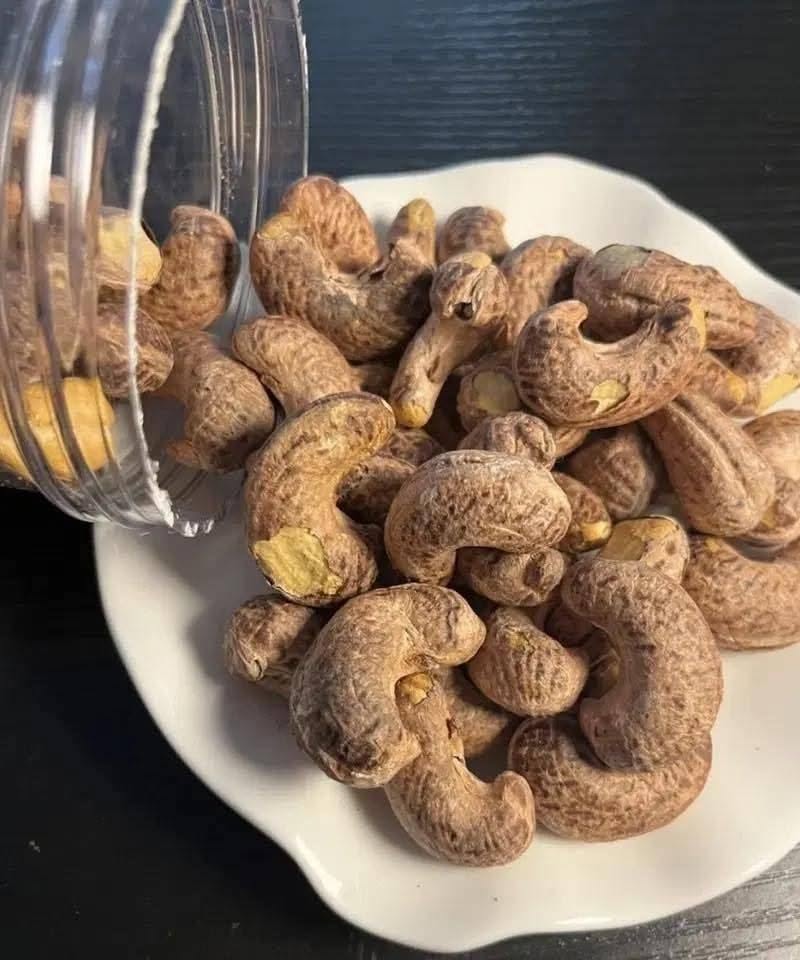
Doctors Reveal That Eating Cashews Causes… See More 👇

Headlines warning that “doctors say you should stop eating cashews” can be worrying, especially if these nuts are a regular part of your diet. In reality, scientific evidence paints a much more nuanced picture. Cashews are nutrient-dense, widely consumed around the world, and generally safe for most people when eaten in appropriate portions. Like many foods, they come with both benefits and a few considerations.
This article takes a scientific and educational look at cashews: what they contribute to your health, situations where caution is advised, and how to include them sensibly in a balanced eating pattern. The goal is to separate evidence-based facts from sensational claims.
The Nutritional Power of Cashews
Cashews are seeds of the cashew tree (Anacardium occidentale), native to Brazil and now cultivated in many tropical regions. When dry-roasted or lightly processed, they offer a concentrated package of nutrients that can support overall health.
Heart-Healthy Fats
A significant portion of the calories in cashews comes from fat, but the type of fat matters. Cashews are rich in:
- Monounsaturated fats (similar to those in olive oil), associated with improved heart health and better cholesterol profiles.
- Some polyunsaturated fats, which are also considered beneficial in moderate amounts.
Research on nut consumption as a whole suggests that regularly eating nuts, including cashews, is linked with:
- Lower risk of coronary heart disease
- Improved blood lipid levels, including reduced LDL (“bad”) cholesterol and, in some studies, increased HDL (“good”) cholesterol
- Better overall cardiovascular outcomes when nuts replace less healthy snacks high in refined carbohydrates or saturated fats
The American Heart Association recommends a dietary pattern that includes about 4–5 servings of unsalted nuts per week. A typical serving is roughly 28–30 grams, or about ¼ cup of nuts.
Key Vitamins and Minerals
Cashews also provide several essential micronutrients that play vital roles in the body:
- Magnesium: Involved in muscle function, nerve signaling, blood pressure regulation, bone health, and energy production. Many adults do not reach the recommended daily intake of magnesium.
- Copper: Important for iron metabolism, formation of connective tissue, and functioning of the nervous and immune systems.
- Zinc: Supports immune function, wound healing, and normal growth and development.
- Iron: Contributes to red blood cell formation and oxygen transport, especially relevant for people with higher iron needs.
- B vitamins, including small amounts of thiamin and vitamin B6, which support energy metabolism and brain function.
Protein, Fiber, and Satiety
Cashews contain both plant-based protein and dietary fiber. These nutrients help with:
- Promoting a feeling of fullness after eating
- Supporting more stable blood sugar levels when part of a balanced meal or snack
- Contributing to digestive health by supporting regular bowel function
Because of their combination of healthy fats, protein, and fiber, cashews can be a satisfying alternative to ultra-processed snacks that are high in added sugars, salt, or refined starches.
What Research Says About Cashews and Metabolic Health
Beyond general nutrition, scientists have examined how cashews and other nuts affect metabolic markers such as blood sugar, blood pressure, and inflammation.
Blood Sugar Regulation
Studies on mixed-nut intake suggest that regular nut consumption is associated with better blood sugar control and improved insulin sensitivity, especially when nuts replace less nutritious foods. Cashews, as part of this broader nut category, can fit into dietary patterns recommended for people with prediabetes or type 2 diabetes, as long as portions are controlled and overall calorie intake is balanced.
Their relatively low carbohydrate content and higher proportion of fats and protein may help slow the absorption of sugars when cashews are eaten with carbohydrate-containing foods. This can contribute to fewer rapid spikes in blood sugar compared with some refined snacks.
Inflammation and Long-Term Wellness
Chronic, low-grade inflammation is linked to many long-term health conditions. Diets that include nuts, fruits, vegetables, whole grains, and unsaturated fats are generally associated with lower markers of inflammation. While more research is needed that focuses specifically on cashews, current evidence suggests that they can comfortably fit into anti-inflammatory dietary patterns such as the Mediterranean diet or similar plant-forward approaches.
When Cashews May Warrant Caution
Despite their benefits, cashews are not risk-free for everyone. Most concerns raised by health professionals are not about the nut itself being “toxic” in normal culinary forms, but about specific situations where extra care is required.
1. Tree Nut Allergies
The most important and well-documented risk is allergy. Cashews are a type of tree nut, and tree nut allergies can cause serious immune reactions in some people. Symptoms can range from mild (such as itching or hives) to severe, including difficulty breathing and anaphylaxis, a medical emergency.
Healthcare organizations such as the American Academy of Allergy, Asthma & Immunology emphasize that people with a known tree nut allergy should strictly avoid the specific nuts that trigger their reactions. Some individuals may be allergic to one kind of tree nut but tolerate others, while others may react to multiple types.
Anyone who has experienced signs of an allergic reaction after eating cashews—such as swelling of the lips or tongue, trouble breathing, widespread hives, or severe stomach pain—should seek medical evaluation promptly. An allergist can provide testing, diagnosis, and guidance on safe food choices.
2. Raw, Unprocessed Cashew Shells
There is sometimes confusion about “raw cashews.” The cashew shell naturally contains a substance related to urushiol, the compound found in poison ivy and poison oak that can irritate the skin. For this reason, cashews are typically steamed or heated to remove harmful resins before they reach consumers.
Cashews sold in supermarkets as “raw” are usually already processed enough to be safe for consumption, even though they may not be roasted or salted. However, handling truly raw cashew shells directly can cause skin irritation. This is more of an occupational issue for people working with cashew harvesting and processing rather than a typical consumer concern.
Purchasing cashews from reputable food suppliers and avoiding attempts to process cashew shells at home are simple ways to minimize this potential risk.
3. Calorie Density and Weight Management
Cashews are energy-dense: a small handful contains a significant number of calories because of their fat content. For people carefully monitoring their weight or total energy intake, this means that portion size matters.
Overeating any nut, including cashews, can contribute to weight gain over time if it consistently pushes daily calorie intake above what the body uses. However, observational studies often find that people who eat nuts regularly tend to have healthier body weights than those who rarely eat nuts. This may be because nuts are filling and can replace less nutritious foods, and because not all of the fat in nuts is fully absorbed.
Measuring out servings—about ¼ cup or a small palmful—can help balance the benefits of cashews with overall calorie goals.
4. Added Salt, Sugar, and Flavors
The health impact of cashews depends heavily on how they are prepared. Lightly roasted, unsalted cashews are very different nutritionally from heavily salted, sugar-coated, or deep-fried versions.
Potential concerns include:
- Excess sodium: High salt intake is associated with increased blood pressure in many people. Choosing unsalted or lightly salted cashews is generally better for cardiovascular health.
- Added sugars: Candied or flavored cashews with syrups, sweet coatings, or chocolate add extra sugars and calories, which can undermine blood sugar control and weight-management efforts.
- Unhealthy fats: Some flavored nuts may be cooked in oils high in saturated or trans fats; checking labels helps you select products with healthier fat profiles.
For most people, plain dry-roasted or raw-style cashews, eaten in modest quantities, will provide more health advantages than varieties that are heavily processed or coated.
Who Might Need Personalized Medical Advice?
While cashews are generally safe as part of a varied diet, certain groups may benefit from individual guidance from a healthcare professional or registered dietitian:
- People with diagnosed tree nut allergies or a history of severe allergic reactions to foods.
- Individuals with chronic kidney disease, who may need to monitor mineral intake such as potassium and phosphorus and adapt their diet accordingly.
- People with gallbladder or pancreatic conditions who are advised to follow a lower-fat diet during certain stages of treatment.
- Those with specific metabolic conditions where energy intake, fat content, or certain minerals need close regulation.
In these cases, a clinician can help tailor recommendations rather than applying general advice meant for the broader population.
How to Include Cashews in a Balanced Diet
For people without allergies or specific medical restrictions, cashews can be a valuable part of a healthy eating pattern when consumed thoughtfully. Evidence-based nutrition guidelines emphasize overall dietary patterns rather than single foods, and cashews fit well into many of these approaches.
Practical Tips for Everyday Eating
- Watch portion sizes: Aim for about ¼ cup (roughly 28–30 grams) as a snack or as part of a meal.
- Choose minimally processed options: Prefer unsalted, dry-roasted, or “raw” cashews from reputable brands over heavily sweetened or fried varieties.
- Pair with other whole foods: Combine cashews with fruit, vegetables, or whole grains—such as adding them to oatmeal, salads, stir-fries, or yogurt—for a more balanced nutrient profile.
- Use them as a replacement: Swap cashews in for snacks like chips, pastries, or candy to upgrade the overall nutritional quality of your diet.
- Incorporate into plant-based meals: Cashews can be blended into sauces, dips, and dairy-free “creams,” providing richness and protein for vegetarian or vegan dishes.
Examples of Health-Conscious Uses
Some popular ways to use cashews in line with health-focused guidelines include:
- Sprinkling a small handful over steamed vegetables or grain bowls for added texture and healthy fats.
- Blending soaked cashews with water and seasonings to create a creamy base for soups or pasta sauces without heavy cream.
- Adding a few cashews to homemade trail mix along with unsweetened dried fruit and seeds.
Do Doctors Really “Warn Against” Cashews?
Sensational headlines can create the impression that healthcare professionals broadly advise people to avoid cashews. When medical organizations and nutrition experts are consulted, the message is usually much more balanced.
Key points frequently highlighted by experts include:
- For the general population, nuts—including cashews—are associated with improved heart health and longevity when eaten regularly in moderate amounts.
- Serious concerns focus on allergies and, less commonly, on specific medical conditions where personalized advice is needed.
- Overconsumption of any calorie-dense food may contribute to weight gain if total energy intake is not balanced, so mindful eating is important.
- Choosing unsalted, minimally processed nuts and integrating them into an overall healthy diet is more important than fixating on a single nutrient.
As with many nutrition topics, context is essential. A single food rarely determines health outcomes on its own. What matters most is your overall dietary pattern, lifestyle, and any individual medical needs.
The Bottom Line: Balance, Not Fear
Cashews are not the “hidden danger” sometimes portrayed in attention-grabbing headlines. Scientific research and major health organizations generally recognize nuts, including cashews, as part of a nutritious diet that can support heart health, provide important vitamins and minerals, and contribute to satiety.
However, they are not suitable for everyone. People with tree nut allergies must avoid them, and individuals with certain medical conditions should follow their healthcare provider’s guidance. For most others, moderate portions of minimally processed cashews can be an enjoyable and health-supportive choice.
Instead of reacting to alarming headlines, consider speaking with a registered dietitian or medical professional if you have specific concerns. Evidence-based advice that takes your overall health, lifestyle, and preferences into account is always more reliable than one-size-fits-all claims about any single food.
Sources
Disclaimer: This content is intended for entertainment purposes only and is not based on real events.