

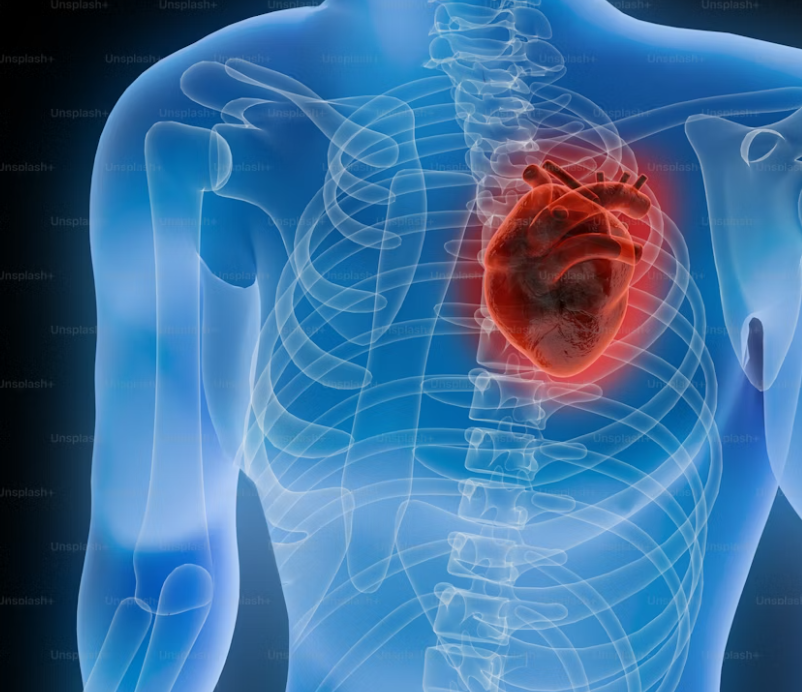
Heart Failure: Understanding the Condition, Risk Habits, and How to Protect Your Heart
Heart failure is a major global health concern, affecting millions of individuals and placing significant burdens on healthcare systems worldwide. According to the World Health Organization (WHO), the World Heart Federation, and the American Heart Association (AHA), heart failure (HF) impacts at least 26 million people globally, with prevalence on the rise due to aging populations and improved survival rates following heart attacks and other cardiac events. This article explores the nature of heart failure, commonly overlooked risk habits, and evidence-based strategies to maintain heart health and prevent heart failure.
What Is Heart Failure?
Despite its name, heart failure does not mean the heart has stopped working altogether. Instead, it refers to a chronic condition in which the heart is unable to pump blood effectively enough to meet the body’s needs for oxygen and nutrients. As a result, vital organs and tissues receive insufficient blood supply, leading to a range of physical symptoms over time.
Common symptoms of heart failure include persistent fatigue, shortness of breath, swelling in the legs and ankles, reduced physical activity, and sometimes a chronic cough. As the disease progresses, routine activities like walking, climbing stairs, or carrying groceries can become increasingly challenging, impacting quality of life.
Heart failure is not a sudden event but develops gradually, often after years of underlying cardiovascular disease or other chronic health conditions. Early diagnosis and management are vital in improving prognosis and maintaining functionality for those living with HF.

Can Heart Failure Be Reversed?
While heart failure is typically a lifelong condition, there is hope for individuals through careful management. Some patients can experience improvements in symptoms and even partial remission with appropriate medical treatment and positive lifestyle changes. This includes medication adherence, dietary modifications, physical activity adjustments, and regular medical follow-up. Success depends on the underlying cause, severity, and individual factors such as age and co-existing conditions.
Four Habits That Increase Heart Failure Risk—and How to Break Them
Medical professionals emphasize that several lifestyle habits are linked to an elevated risk of developing heart failure. Recognizing these habits and taking action to modify them can significantly reduce your chances of heart trouble and improve overall wellness. Below, we detail four major risk habits and offer actionable strategies for heart protection based on current research and global clinical guidelines.
1. Excessive Salt Intake
One of the most common dietary pitfalls contributing to heart failure is high sodium consumption. Studies published by leading organizations, including the American Heart Association, point to the role of sodium in fluid retention and increased blood pressure. When sodium levels are consistently high, the body holds onto more water, placing additional strain on blood vessels and the heart. Over time, this may lead to hypertension—one of the principal risk factors for heart failure—and compromise heart muscle efficiency.
Guidelines from the Heart Failure Society of America and the American College of Cardiology suggest that healthy adults should limit their sodium intake to less than 2,300 mg per day, and patients with heart failure should further restrict consumption to between 2,000–3,000 mg daily, or even less for those with moderate to severe symptoms.
How to Reduce Excessive Salt Intake:
- Avoid processed, packaged, and canned foods, which often contain hidden sodium.
- Prepare meals at home using fresh ingredients, and use herbs, spices, or citrus to flavor dishes instead of relying on salt.
- Read food labels carefully to identify sodium content in prepared foods.
- Choose unsalted snacks and low-sodium alternatives when possible.
2. Sedentary Lifestyle
Modern lifestyles often involve prolonged sitting—at desks, commuting, or relaxing in front of screens. However, extended periods of inactivity can have serious adverse effects on cardiovascular health. Physical inactivity is associated with poor circulation, weight gain, decreased cardiovascular efficiency, and a higher risk of developing not only heart failure but also other chronic conditions such as type 2 diabetes and obesity.
Regular exercise helps the heart stay strong, supports overall vascular health, aids in controlling weight, and can lower blood pressure—all of which are crucial in both preventing and managing heart failure. Establishing a routine of moderate exercise is recommended by the WHO and the AHA for maintaining heart health.
How to Stay Active:
- Aim for at least 150 minutes of moderate-intensity exercise (such as brisk walking, cycling, or swimming) or 75 minutes of vigorous activity each week.
- Break up long sitting periods by standing, stretching, or taking short walking breaks every hour.
- Consider low-impact activities—like dancing or water aerobics—which are gentle on joints and enjoyable for people of all ages.
- Set achievable goals: Even small increases in daily movement can have meaningful benefits for heart health.
3. Smoking and Excessive Alcohol Consumption
Among the most significant preventable risk factors for heart failure are tobacco use and harmful levels of alcohol consumption. Smoking damages blood vessels, accelerates the development of atherosclerosis (hardening of the arteries), increases heart rate, and reduces the amount of oxygen in the blood. All these mechanisms put additional strain on the heart and lead to long-term cardiovascular damage.
Similarly, excessive alcohol intake can directly impair the heart muscle, disrupt normal heart rhythm, and increase the risk of high blood pressure. For individuals already living with heart failure, both smoking and heavy drinking can worsen symptoms and lower quality of life.
Global health authorities, including the WHO and CDC, recommend complete cessation of smoking and adherence to moderate alcohol guidelines—a maximum of one alcoholic beverage per day for women and up to two for men. However, individuals with diagnosed heart failure are often advised to avoid alcohol entirely to prevent further cardiac decline.
How to Break These Habits:
- If you smoke, seek support from healthcare providers, counselors, or smoking cessation programs. Nicotine replacement therapies and prescription medications can increase chances of successful quitting.
- To cut down on alcohol, set realistic goals, track your intake, and reach out to support groups if needed. Social and behavioral strategies, such as avoiding triggers or having alcohol-free days, can be beneficial.
- Educate family and friends about the risks, fostering a supportive environment for lasting change.

4. Chronic Stress and Poor Sleep
Growing evidence links chronic psychological stress and insufficient sleep to increased risks of heart failure and other cardiac events. Persistent stress elevates levels of cortisol, a hormone that—when raised long-term—can contribute to high blood pressure, unhealthy weight gain, blood sugar dysregulation, and systemic inflammation. All these factors increase cardiac workload.
In addition, poor sleep has been associated with obesity, diabetes, hypertension, and increased heart disease risk. Adults who sleep fewer than seven hours per night—or who have disrupted, restless sleep—are more likely to develop adverse cardiovascular outcomes.
How to Manage Stress and Improve Sleep Quality:
- Establish a consistent sleep schedule and aim for at least 7–9 hours of restful sleep each night.
- Create a relaxing nightly routine that avoids screens and bright lights before bed.
- Practice stress-reducing techniques such as mindfulness meditation, deep breathing exercises, yoga, or gentle stretching.
- Seek support from mental health professionals if daily stress feels overwhelming.
Managing Heart Failure Remission: The Importance of Ongoing Care
With advances in medical therapy and lifestyle education, many individuals can maintain relatively stable heart function for years following a diagnosis of heart failure. Achieving remission—meaning a reduction or disappearance of key symptoms—requires an individualized, multidisciplinary approach involving medication adherence, dietary management, regular exercise, stress reduction, and consistent monitoring by healthcare professionals.
Patients should remain vigilant for changes in symptoms, such as sudden weight gain, increased shortness of breath, or swelling, that may signal fluid retention or complications. Early intervention can reduce hospitalizations and further heart damage.
Family and community support, access to rehabilitation programs, and ongoing education are invaluable resources for those living with heart failure. Discussing any new symptoms or concerns with your doctor and following a mutually agreed-upon management plan can greatly improve quality of life and outcomes.
International Perspectives and Societal Impact
The increasing prevalence of heart failure worldwide underscores the need for preventative efforts at both individual and societal levels. Public health campaigns, urban planning to encourage physical activity, improved food labeling, smoking regulations, and expanded access to healthcare can all contribute to lower rates of heart failure and improved cardiovascular wellness in communities globally.
Internationally, countries with lower rates of smoking, improved diet quality, and active lifestyles tend to report lower instances of heart failure and related cardiac conditions. High-profile initiatives from organizations such as WHO and the World Heart Federation aim to raise awareness, reduce risk factors, and provide accessible, evidence-based care to prevent the looming burden of heart failure on healthcare systems.
Conclusion: A Healthier Heart Through Knowledge and Action
Heart failure remains a significant global health challenge, but with greater understanding and proactive efforts, it is possible to protect your heart for years to come. By limiting salt intake, remaining physically active, avoiding harmful substances, and managing stress and sleep, individuals can dramatically lower their risk of heart failure. Coupled with regular check-ups and community support, these evidence-based actions empower people everywhere to lead healthier, more fulfilling lives.
Be proactive—share this information with your loved ones, and consult your healthcare provider for personalized guidance on heart health.
Sources
- World Health Organization (WHO) – Cardiovascular Diseases Fact Sheet
- American Heart Association – Dietary Sodium and Heart Failure
- Centers for Disease Control and Prevention (CDC) – Heart Failure Information
- ScienceDirect – Epidemiology of Heart Failure
- Mayo Clinic – Heart Failure Overview
- World Heart Federation – What is Heart Failure?
Disclaimer: This content is intended for entertainment purposes only and is not based on real events.