
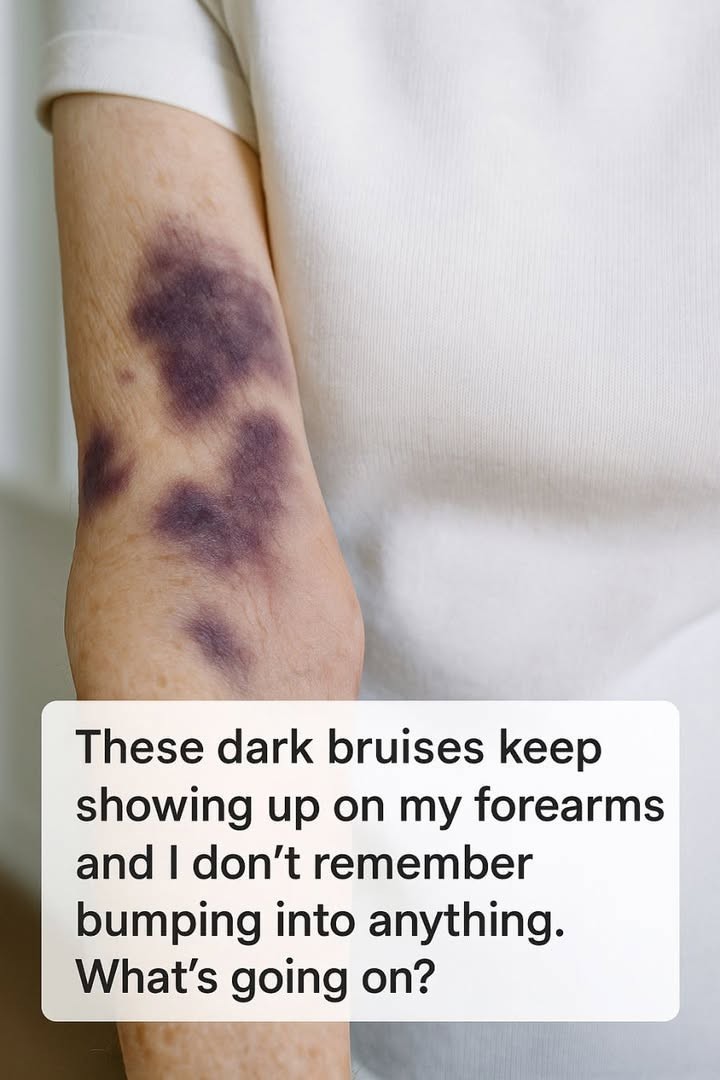
These Dark Bruises Keep Showing Up On My Forearms, And I Don’t Remember Bumping Into Anything: What’s Going On?
Discovering a dark bruise on your forearm without recalling an injury can be unsettling. This phenomenon is common, particularly among older adults, and is often a reflection of underlying changes in the body. Unexplained bruising is not always cause for concern, but understanding the mechanisms behind it is important for maintaining health and recognizing potential warning signs. In this comprehensive analysis, we explore the origins of mysterious bruises, distinguish harmless causes from those warranting medical attention, and offer guidance based on expert views, clinical research, and societal perspectives.
Why Do Bruises Appear Without Known Injury?
Bruising, medically referred to as ecchymosis, results when small blood vessels (capillaries) near the surface of the skin are damaged, causing blood to leak into surrounding tissues. Typically, this occurs following direct trauma, such as a bump or fall. However, in many cases—particularly among older individuals—bruises can form with minimal or even unrecognized impact. Several factors contribute to this occurrence:
- Thinning of the Skin: As people age, the skin naturally becomes thinner and loses some of its protective fat layer. This reduction lowers the skin’s ability to cushion against minor bumps, making bruising more likely.
- Fragility of Blood Vessels: Capillaries themselves may weaken over time, becoming more susceptible to breaking from everyday activities that previously would not have caused bruising.
- Sun Exposure: Chronic exposure to sunlight accelerates these skin changes, especially on areas like the forearms. Ultraviolet radiation degrades connective tissue and can increase vascular fragility, which is why bruising often appears in these exposed regions.
- Impact of Medications: Certain medicines—including blood thinners, antiplatelet agents (like aspirin), corticosteroids, and some dietary supplements—can further decrease blood clotting ability, escalating the risk of bruises from otherwise minor incidents.
Aging Skin and Bruising: A Physiological Perspective
The process of aging involves multiple changes to the body’s structure and function. Dermatologists and geriatric specialists note that mature skin gradually loses collagen and elastin, key proteins responsible for resilience and elasticity. Reduced production of these proteins leads to thinner, more fragile skin.
Furthermore, the subcutaneous fat layer, which absorbs impacts and provides insulation, diminishes with age. Without this buffering, small blood vessels are more easily damaged. According to the Mayo Clinic, such aging-related changes explain why bruising is more common and prominent on the forearms and hands in older adults.
Actinic Purpura: One particular pattern seen in the elderly, especially those with extensive sun exposure, is known as actinic purpura. This condition is marked by dark purple or red bruises most frequently appearing on the arms and legs, often with minimal or no trauma. While generally harmless, actinic purpura is a visible sign of chronic skin changes from ultraviolet light.
Medications and Medical Conditions That Increase Bruising
The role of medications in unexplained bruising is significant. Blood-thinning drugs, such as warfarin, heparin, clopidogrel, and direct oral anticoagulants, are prescribed to prevent strokes or heart attacks by reducing blood clot formation. As a side effect, these agents make it easier for the body to bruise since blood escapes more readily from damaged capillaries.
Corticosteroids, commonly used for allergies, autoimmune disorders, and inflammation, also affect skin thickness and blood vessel stability, leading to an increased risk of bruising. Aspirin, nonsteroidal anti-inflammatory drugs (NSAIDs), and certain herbal supplements (such as ginkgo biloba or fish oil) may have similar effects.
Additional medical conditions can play a role:
- Bleeding disorders, like hemophilia and von Willebrand disease
- Liver disease, which affects clotting factor production
- Vitamin deficiencies, especially vitamin C and K
- Platelet or bone marrow disorders
In these cases, bruising usually occurs in conjunction with other symptoms. If an individual notices frequent, severe, or unexplained bruises, especially alongside symptoms such as prolonged bleeding, fatigue, or jaundice, consulting a healthcare professional is recommended.
When to Seek Medical Attention for Bruising
While most bruises from aging, medications, or minor bumps are harmless and resolve in days to weeks, certain patterns or accompanying symptoms require further investigation. Medical experts, including those from the Centers for Disease Control and Prevention (CDC), advise attention if:
- The bruising is frequent, severe, or appears without any apparent cause
- There is associated pain, swelling, or joint involvement
- Bruises are accompanied by bleeding from other sites (nose, gums, urine, stool)
- The individual is taking blood-thinning medications
- Other symptoms, such as persistent fatigue, pallor, or unexplained weight loss, are present
Doctor consultation helps rule out underlying bleeding disorders, liver conditions, or other treatable medical issues. Diagnostic tests may include blood counts, clotting factor analysis, or liver function panels.
Preventing and Managing Everyday Bruising
Health experts recommend several strategies to minimize bruising and maintain skin health, especially as one ages:
- Protective Clothing: Wearing long sleeves when outdoors reduces direct sunlight and incidental contact.
- Physical Activity: Gentle exercise and stretching improve circulation and muscle tone, offering some protection to blood vessels.
- Skin Care: Keeping skin moisturized, avoiding harsh soaps, and using sunscreen can reduce further degeneration.
- Medication Management: Regular review of medications with a healthcare provider can sometimes reduce risk by adjusting doses or discontinuing unnecessary agents.
- Home Safety: Removing trip hazards, using adequate lighting, and installing grab bars can prevent falls or bumps.
Expert Perspectives on Bruising and Aging
Dermatologists, geriatricians, and hematologists have provided comprehensive perspectives on unexplained bruising. According to the American Academy of Dermatology, the vast majority of cases in older adults are benign and reflect normal physiological changes. However, attention to new or atypical bruising patterns is crucial, as it can signal disease states requiring treatment.
Internationally, similar patterns are observed. Studies published in the Journal of Geriatric Medicine note that awareness of bruising and its causes is growing, particularly in societies with aging populations and prevalent medication use. Education campaigns and patient resources in Europe and North America focus on distinguishing harmless from concerning bruises, promoting timely medical evaluation.
Societal and Psychological Impact of Bruising
Beyond medical implications, visible bruising affects self-esteem and emotional health. Some individuals report embarrassment or concern about “abnormal appearance,” especially if bruises are frequent or prominent. Experts recommend open communication with healthcare providers and family members, distinguishing between normal aging changes and signs of potential illness.
In some instances, bruising prompts questions about elder abuse; however, most cases are benign. Resources from organizations like the CDC and World Health Organization (WHO) help caregivers and patients learn to recognize bruise patterns associated with accidental trauma versus abuse, promoting healthcare safety and vigilance.
How Bruises Heal and What You Can Expect
Bruises naturally undergo color changes as the body reabsorbs leaked blood. The process begins with dark purple or blue, gradually transitioning to green, yellow, and brown before disappearing. Most bruises resolve in two to four weeks. Applying a cold compress, elevating the affected area, and resting can help reduce size and discomfort; topical treatments or over-the-counter pain relief may be used as directed.
Persistent or especially large bruises may take longer but should not worsen after the initial appearance. If a bruise expands rapidly or is accompanied by other concerning symptoms, seek medical advice promptly.
Conclusion: Balancing Awareness and Reassurance
In summary, unexplained bruising on the forearms is commonly a result of physiological changes, medication effects, or minor trauma. Most cases are harmless, resolving spontaneously, but it is important to recognize when medical evaluation is appropriate. By understanding the causes and adopting preventive strategies, individuals can manage everyday bruising, maintain skin health, and address concerns proactively. Empowering patients with accurate information, expert guidance, and supportive resources is key to healthy aging and optimal well-being.
Sources
- Mayo Clinic: Bruises
- CDC: Aging and Skin Health
- American Academy of Dermatology: Skin Aging
- World Health Organization: Ageing and Health
- Reuters: Health News
- BBC Health News
Disclaimer: This content is intended for entertainment purposes only and is not based on real events.