


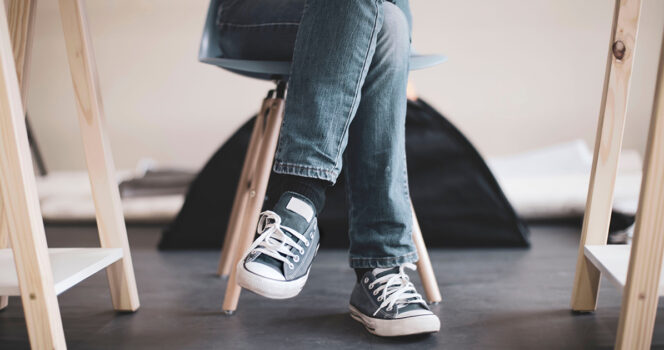
Imagine sitting in a busy café, quietly watching the world around you. People chat over coffee, professionals work on laptops, and travelers wait for their next destination. Without realizing it, many people shift positions throughout the day. Some lean forward, others fold their arms, and many women naturally cross their legs while sitting.
At first glance, it seems like nothing more than a comfortable way to sit. Yet psychologists and body language researchers have long suggested that posture can offer subtle clues about emotions, comfort levels, and social interactions. At the same time, experts caution that no single gesture can accurately reveal someone’s personality or intentions on its own.
The way women cross their legs is shaped by a fascinating combination of culture, etiquette, physical comfort, fashion, and individual preference. Understanding these influences helps us appreciate body language without making quick assumptions.
Why Body Language Matters
Body language is a major part of nonverbal communication. Researchers estimate that people constantly communicate through facial expressions, gestures, posture, and eye contact alongside spoken language.
However, modern psychology emphasizes an important principle: body language should always be interpreted within context.
Someone may cross their legs because they are comfortable, because the chair encourages that position, because the room is cold, or simply because it has become a lifelong habit. Looking at one gesture alone rarely provides an accurate picture.
Instead, experts evaluate clusters of behaviors, including:
- Facial expressions
- Eye contact
- Hand movements
- Voice tone
- Overall posture
- The surrounding environment
Only when these elements are considered together can body language offer meaningful insights.
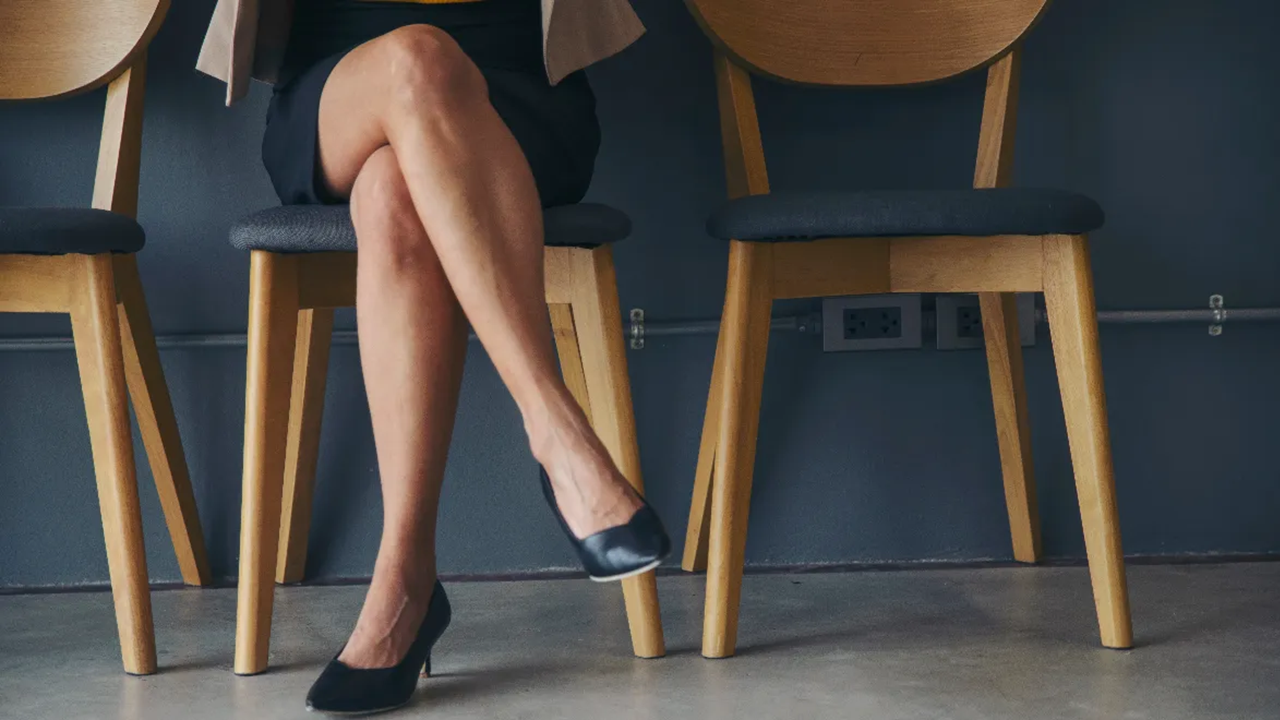
The Historical Origins of Crossing the Legs
Long before today’s office chairs and modern fashion, posture carried social meaning.
During the 18th and 19th centuries in many Western societies, etiquette guides encouraged women to sit with their ankles together or legs angled gracefully to one side. These postures were associated with refinement, elegance, and social expectations of the era.
As fashion evolved throughout the 20th century, sitting styles changed as well.
By the 1960s, style icons such as Audrey Hepburn and Jacqueline Kennedy Onassis popularized elegant crossed-leg poses that became symbols of sophistication in magazines, films, and television.
Although cultural expectations have become far more relaxed today, many of these habits remain part of everyday body language.
The Psychology Behind Crossing the Legs
Psychologists generally agree that there is no single explanation for why women cross their legs. Instead, several psychological and practical factors may contribute.
Comfort Comes First
The simplest explanation is often the correct one.
Many people naturally find crossing one leg over the other to be comfortable, especially during long periods of sitting. Everyone develops preferred sitting positions based on body proportions, flexibility, and habit.
Some individuals rarely cross their legs, while others do so automatically without conscious thought.
Nonverbal Communication
Body language specialists note that the legs and feet often receive less conscious attention than facial expressions or hand gestures.
Because of this, leg position may sometimes reflect a person’s comfort level during social interaction.
For example:
Legs angled toward another person
This may suggest engagement or interest in the conversation, particularly when combined with smiling, eye contact, and relaxed posture.
Legs angled away
This could simply reflect comfort or available space, although in certain contexts it may also suggest a desire for more personal distance.
Importantly, psychologists caution against interpreting these signals in isolation.
A Sense of Personal Space
Crossing the legs may also create a feeling of personal space.
In crowded waiting rooms, airports, trains, or conference halls, this posture can provide a subtle sense of physical security and comfort.
Behavioral psychologists sometimes describe these positions as “self-comforting behaviors” because they can help people feel more relaxed in unfamiliar environments.

Cultural Influences on Sitting Posture
Culture plays an enormous role in shaping body language.
In some countries, crossing the legs is considered completely ordinary.
Elsewhere, different sitting styles may be viewed as more respectful during formal occasions, religious ceremonies, or business meetings.
These differences remind us that body language is not universal.
What appears confident in one culture may simply be normal etiquette in another.
Clothing and Practical Considerations
Fashion has influenced sitting posture for centuries.
For women wearing skirts or dresses, crossing the legs may simply feel like the most comfortable and practical position.
This behavior often reflects social habits learned over many years rather than conscious communication.
Likewise, footwear can influence posture.
High heels, boots, and formal shoes may naturally encourage different sitting positions compared with athletic footwear.
Body Language in Professional Settings
Professional environments often encourage composed body language.
Many women naturally cross their legs or ankles during meetings, interviews, and presentations because it feels balanced and comfortable.
Combined with upright posture, relaxed shoulders, and attentive eye contact, this position may project professionalism and confidence.
However, career coaches generally advise focusing more on:
- Active listening
- Open facial expressions
- Clear communication
- Appropriate eye contact
- Comfortable posture
These behaviors usually contribute far more to positive impressions than any particular leg position.
Casual Conversations with Friends
When people spend time with close friends, body language often becomes much more relaxed.
Someone may shift positions frequently, stretch their legs, sit cross-legged, or curl up comfortably in a chair.
These changes typically reflect physical comfort rather than hidden psychological meaning.
Relaxed environments naturally produce relaxed body language.
Dating and Social Interaction
Body language researchers sometimes observe that people subtly orient their bodies toward individuals they enjoy talking with.
This may include:
- Turning the shoulders
- Facing the feet toward someone
- Leaning slightly forward
- Maintaining comfortable eye contact
Leg crossing may occasionally accompany these behaviors.
However, experts emphasize that attraction cannot be determined from posture alone.
Conversation, facial expressions, mutual engagement, and verbal communication provide much stronger indicators of social interest.
Common Myths About Crossed Legs
Myth 1: Crossing Your Legs Always Means Someone Is Defensive
Reality: People often cross their legs simply because it feels comfortable.
Without additional behavioral cues, no reliable conclusion can be drawn.

Myth 2: Body Language Reveals Exactly What Someone Is Thinking
Reality: Psychology does not support this claim.
Body language may offer clues, but it cannot read minds.
Every person’s experiences, habits, and cultural background influence their behavior differently.
Myth 3: Women Cross Their Legs Only Because of Social Expectations
Reality: Social customs may play a role, but comfort, habit, clothing, chair design, and individual preference are equally important factors.
What Science Says About Body Language
Researchers continue studying nonverbal communication because human behavior is remarkably complex.
Scientific evidence suggests that posture can sometimes reflect emotional states, but it rarely provides certainty.
Instead, psychologists recommend evaluating:
- Multiple body language signals together
- The surrounding social situation
- Cultural norms
- Individual personality
- Spoken communication
This balanced approach reduces misunderstandings and avoids unfair assumptions.
Why Context Is Everything
Imagine three different situations:
A woman crosses her legs while attending a job interview.
Another crosses her legs while reading a book in a park.
A third crosses her legs while relaxing at home watching television.
Although the posture looks identical, the reasons behind it could be completely different.
This illustrates why context matters far more than any single gesture.
The Influence of Habit
Many sitting positions become automatic through repetition.
Just as some people always fold their arms or tap their foot while thinking, others naturally cross one leg over the other every time they sit.
These habits often develop over many years and may have little connection to emotions at any given moment.
Appreciating the Complexity of Human Behavior
One of the most fascinating aspects of psychology is recognizing that human behavior rarely has one simple explanation.
Crossing the legs can reflect:
- Physical comfort
- Cultural tradition
- Habit
- Fashion
- Personal preference
- Social awareness
- Environmental conditions
Often, it reflects several of these factors simultaneously.
Rather than searching for hidden meanings in every gesture, observing the full context leads to a more accurate understanding of human communication.

Conclusion
The simple act of crossing one’s legs has traveled through centuries of cultural tradition, changing fashions, and evolving social expectations. Today, it remains one of the most common sitting positions around the world, yet its meaning is far from universal.
Psychology suggests that posture can offer subtle clues about comfort, engagement, or personal space, but scientific research also reminds us that no single gesture can define someone’s thoughts, emotions, or personality. Context, culture, environment, and individual habits all play equally important roles.
Perhaps this is what makes body language so fascinating. Everyday movements often spark curiosity because they sit at the intersection of biology, culture, and personal experience. The more we learn, the more we realize that human communication is wonderfully complex, encouraging us to observe thoughtfully rather than jump to conclusions.
Sources
- Newsner. Why Women Cross Their Legs: A Body Language Breakdown.
- American Psychological Association. Resources on nonverbal communication and human behavior.
- British Psychological Society. Articles on social psychology and communication.
- Mayo Clinic. Information on posture, musculoskeletal health, and general wellness.
- National Institutes of Health. Research related to human behavior and communication.