


Flight Data Shows Amazon Cargo Plane Attempted to Abort Unsteady Landing Before Fatal Crash at Miami International Airport
Overview of the Incident
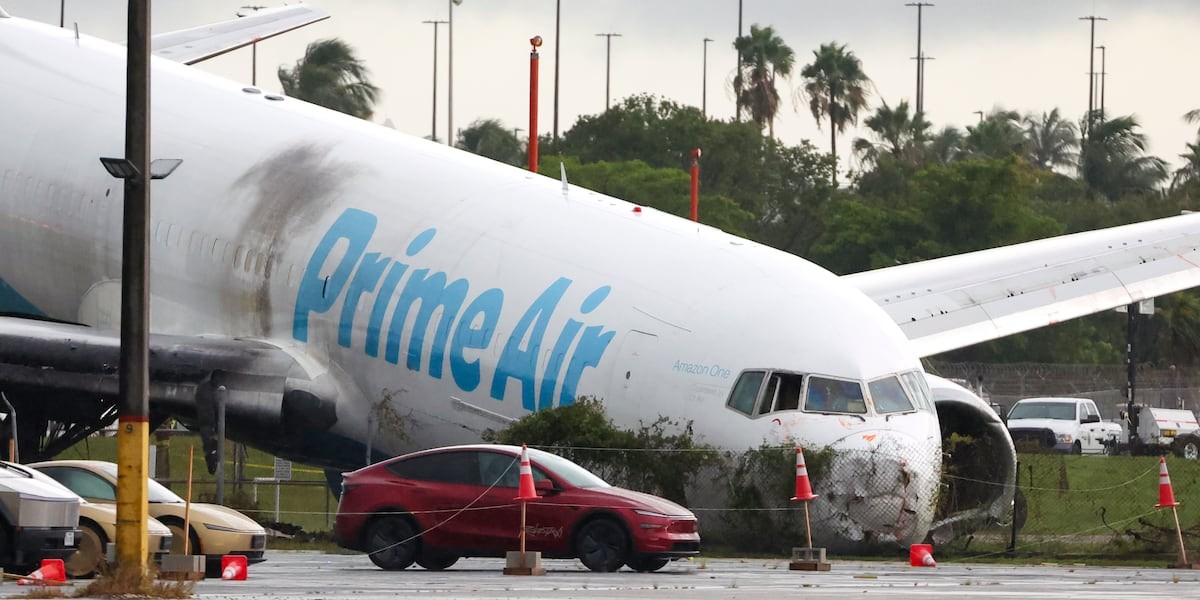
On Sunday, a tragic aviation accident occurred at Miami International Airport involving an Amazon cargo plane. Early flight data indicates that the aircraft attempted to abort an unstable landing, but failed to stop in time, colliding with a van and resulting in the deaths of five individuals. The crash drew attention from regulatory authorities, industry experts, and the public, prompting an in-depth investigation into the factors leading to this rare but catastrophic event.
The Sequence of Events
According to information from the National Transportation Safety Board (NTSB), the Amazon-branded cargo jet was arriving after a two-hour flight from Puerto Rico amidst adverse weather conditions. As the aircraft approached landing, it became clear from flight and cockpit data that the landing was unsteady. The pilots attempted a maneuver known as a “go-around”—an aborted landing procedure—but discontinued it part-way and tried to stop the aircraft.
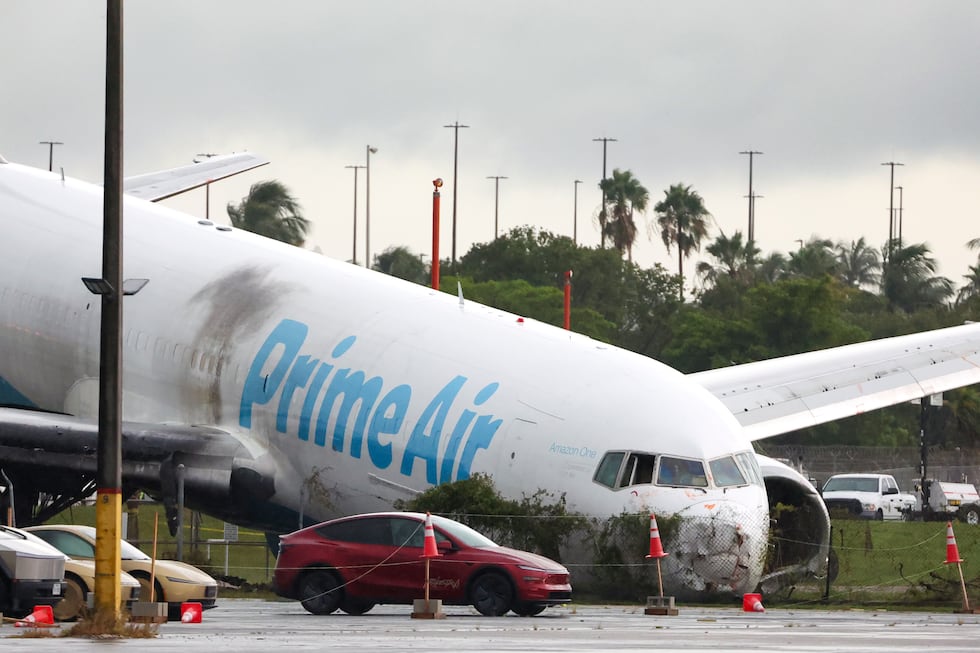
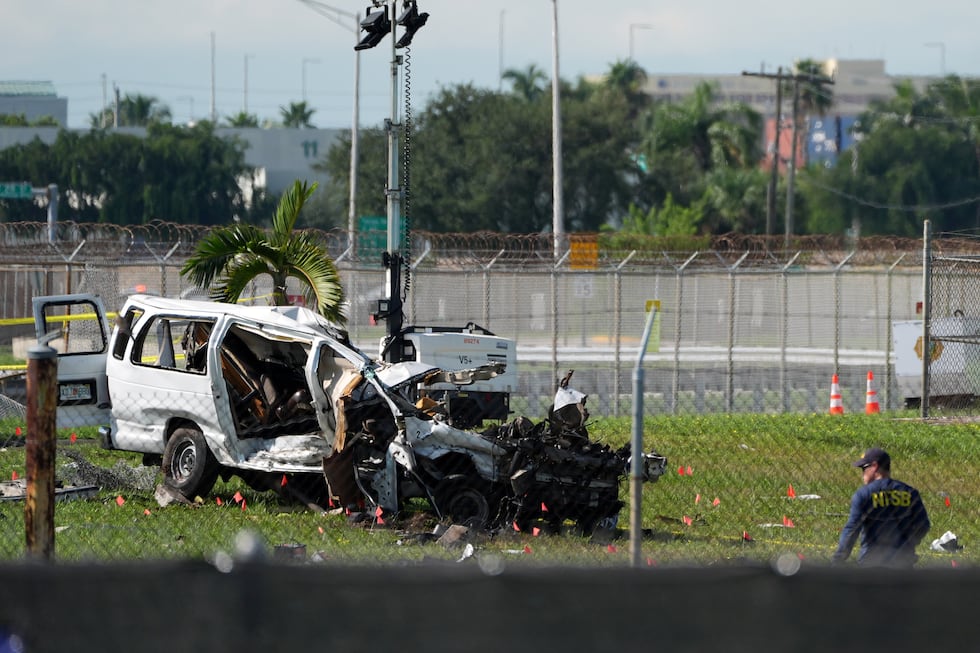
Despite these efforts, the plane overran the runway by approximately 1,300 feet (396 meters), breached airport fencing, and collided with a van on airport property, killing all five occupants. The jet continued to plow through a fence before striking an SUV on an adjacent city street, highlighting the severity and scope of the incident. Emergency services arrived quickly, but unfortunately, the collision proved fatal for those in the van, and wreaked widespread damage at the crash site.
Investigation: Key Questions and Initial Findings
The NTSB promptly initiated an investigation, announcing that it would focus on several critical factors:
- Analyzing flight data and cockpit voice recordings
- Interviewing the pilot and co-pilot directly involved in the event
- Examining the aircraft’s mechanical performance, particularly the use or lack of thrust reversers
At a news conference, NTSB Chairwoman Jennifer Homendy stated that investigators would not disclose details from the cockpit voice recorder until they had a chance to interview the pilots. Initial data showed the thrust reversers—devices used to help slow down the aircraft after landing—were never deployed, which could prove pivotal in understanding why the plane failed to stop safely.
Expert Analysis and Potential Pilot Hesitation
Aviation specialists have begun offering their perspectives as the investigation unfolds. Former Federal Aviation Administration (FAA) official Mike O’Donnell reviewed early data and concluded the landing was clearly unstable, noting that the aircraft touched down nose and right landing gear first. This touchdown configuration often indicates that the landing approach was not properly aligned with standard procedures, further emphasizing the destabilized nature of the landing.
O’Donnell also suggested that the crew may have delayed their decision to execute a go-around. “A go-around probably should have been executed sooner than that. And it seems like they hesitated,” he explained. Such hesitation can be critical in crisis situations, as precious seconds can determine the difference between a manageable incident and a tragic outcome. Once the crew decided to attempt the go-around, it appears there was not enough remaining runway to safely retract their initial landing attempt.
Aviation attorney and former Department of Transportation Inspector General Mary Schiavo speculated that there may have been a disagreement between the pilots about whether to abort or continue the landing attempt. This is being further explored during pilot interviews.
Role of Weather and Air Traffic Control
Weather conditions were also under scrutiny, as strong tailwinds were reported around the airport at the time of landing. Tailwinds can propel an aircraft further down a runway, reducing available stopping distance. Experts noted that investigators are likely to examine why air traffic controllers did not assign a runway approach allowing planes to land into a headwind instead, which facilitates safer and more controlled landings.
The effectiveness of weather forecasting, pilot briefings, and real-time decision-making by both flight crews and ground controllers will be key points of analysis for the NTSB. Understanding the interplay between weather data and operational decisions is critical for improving future safety protocols.
Impact on Airport Workers and Victims
The five victims of the crash were all employees of Professional Ocean Service Corp., a company providing airplane cleaning services at Miami International Airport. The van struck by the cargo jet was being used to shuttle cleaning crews across airport grounds. Authorities identified the deceased as Rolando Aleman Leon (55), Yoel Rodriguez Naranjo (53), Julio C. Pineda (75), Carlos Acosta Fajardo (53), and Javierkys Reyes Quevedo (47).
The accident devastated the local community and underscored the risks faced by airport ground support personnel. In a statement, Professional Ocean Service Corp. described its employees as “family,” expressing deep condolences and vowing support for all those affected. Amazon, the company operating the cargo flight, said it is cooperating fully with the investigation and extended sympathies to the victims’ families.
Five additional individuals were injured in the accident. As of Tuesday, the pilot and co-pilot had been released from the hospital, while two other injured parties remained in critical condition and a third was reported as stable.
Safety Systems and Runway Overrun Barriers
The incident has prompted renewed discussion about airport safety infrastructure. Miami International Airport, while compliant with Federal Aviation Administration (FAA) requirements, does not have the advanced Engineered Materials Arrestor System (EMAS) installed at the end of its runways—a feature present at more than 120 major U.S. airports. EMAS uses lightweight, crushable material engineered to safely slow down and stop overrunning aircraft, and it has been credited with saving over 500 lives in past incidents.
At Miami, only a 1,000-foot (305-meter) cleared buffer existed beyond the runway, which met regulatory standards but may not have been sufficient to prevent the aircraft from breaching the airport perimeter. Chairwoman Homendy emphasized that while regulatory compliance is important, the NTSB looks to transform these tragic lessons into actionable recommendations to further improve aviation safety nationwide and globally.
A final NTSB report on the crash is expected, but may take more than a year to compile given the complexity of causes and the breadth of evidence to review.
Aircraft Background and Operational History
The aircraft involved in the crash was a 32-year-old Boeing 767, operated at the time by 21 Air—a North Carolina-based cargo carrier performing Amazon flights. Initially constructed for passenger service, the jet spent over two decades in operation with various international airlines before being converted to a dedicated cargo freighter in 2015. The plane’s age and conversion history are expected to be reviewed as part of the comprehensive NTSB safety study.
The incident temporarily impacted airport operations, with over 225 flights canceled and hundreds more delayed over the two days following the crash. The NTSB cleared one of Miami’s key runways for resumption of service after completing initial site documentation, reducing operational disruptions for both commercial and cargo airlines.
International and Societal Reactions
This accident has resonated across the aviation industry, drawing attention from regulators, airport operators, airline companies, labor organizations, and safety experts worldwide. Many commentators and experts have underscored the risks inherent in runway excursions, especially at airports without EMAS or similar protective barriers. The event also highlights the need for ongoing investment in ground worker safety, improved weather forecasting and communication, and robust emergency response plans for major transportation hubs.
In the wake of this tragedy, the NTSB and FAA may review and update policies relating to airport runway end protection. The worldwide aviation community continues to share lessons learned from such accidents to help prevent recurrence and to protect both passengers and ground personnel in the future.
Next Steps in the Investigation
Investigators are continuing to collect evidence, analyze data, and conduct interviews with the pilots and other relevant personnel. The NTSB is expected to release preliminary findings in the coming weeks, offering the first public assessment of the potential causes of the accident. The agency will later issue a detailed final report, likely accompanied by concrete safety recommendations.
Meanwhile, attention remains focused on supporting the families affected by the tragedy and restoring full airport operations. This accident serves as a stark reminder of the importance of vigilance, preparedness, and continuous improvement in aviation safety protocols.
Sources
- Reuters
- BBC News
- Al Jazeera
- The Guardian
- National Transportation Safety Board (NTSB)
- Federal Aviation Administration (FAA)
Disclaimer: This content is intended for entertainment purposes only and is not based on real events.