
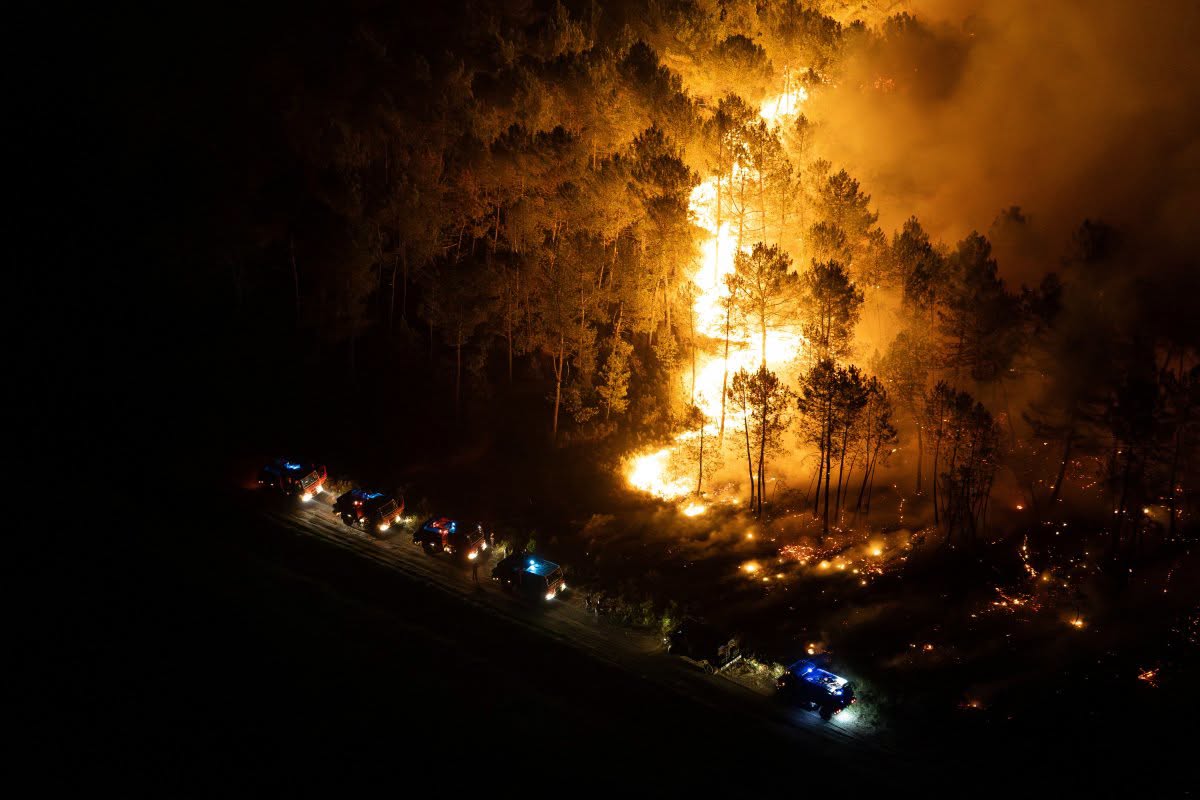
Each summer, landscapes across southern Europe transform into vibrant destinations filled with forests, mountains, and coastal beauty. Yet during periods of prolonged heat and dry weather, these same environments can become vulnerable to wildfires. In the summer of 2026, several European countries—including Greece, Türkiye, France, and Spain—have experienced significant wildfire activity, prompting large-scale emergency responses and renewed discussions about climate resilience.
As firefighters continue protecting communities and natural areas, European leaders are also emphasizing the importance of long-term preparation. While individual wildfires are influenced by many local factors, scientists agree that rising temperatures and changing weather patterns can increase the likelihood of conditions that favor wildfire development.
This article examines the latest situation, explains why wildfires occur, explores the scientific understanding of climate influences, and highlights how communities and governments are working to reduce future risks.
Wildfires Affect Multiple European Countries
According to recent reports, wildfires have spread across several parts of southern Europe.
In Greece, firefighters responded to multiple fires, including significant incidents on the island of Crete and in the Peloponnese region.
In Türkiye, fires affected western parts of the country, leading to evacuations, road closures, and damage to homes in some communities.
Meanwhile, France and Spain have continued responding to extensive wildfire activity following weeks of exceptionally hot and dry conditions.
Emergency services across Europe remain focused on protecting residents, infrastructure, and valuable ecosystems.
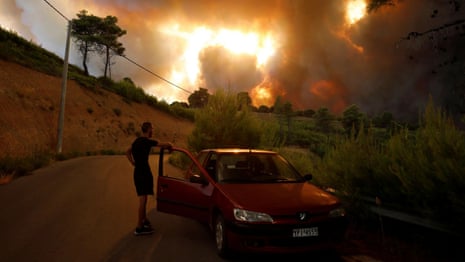
Large-Scale Evacuations Demonstrate Emergency Preparedness
One of the most notable aspects of this wildfire season has been the scale of precautionary evacuations.
French authorities reported the evacuation of hundreds of thousands of people from areas considered at risk.
Spain has also relocated large numbers of residents while firefighters work to contain active fires.
Although evacuations can be disruptive, emergency management experts consistently emphasize that moving people to safer locations is one of the most effective ways to reduce the risk of injury during fast-moving wildfire events.
These coordinated efforts involve firefighters, police, medical teams, transportation agencies, and local governments working together under challenging conditions.
Why Do Wildfires Spread So Quickly?
Wildfires develop when several environmental factors occur simultaneously.
High Temperatures
Extended periods of hot weather dry vegetation, making grasses, shrubs, and forests easier to ignite.
When plants lose moisture, they become more combustible, allowing fires to spread more efficiently.
Dry Vegetation
After weeks without significant rainfall, forests accumulate large amounts of dry plant material.
This natural fuel provides energy for wildfire growth once ignition occurs.
Strong Winds
Wind is one of the most important factors influencing wildfire behavior.
Strong gusts can:
Carry embers ahead of the main fire.
Increase oxygen available for combustion.
Change the direction of fire spread.
Reduce firefighters’ ability to establish containment lines.
Because wind conditions can change rapidly, wildfire forecasting remains an important part of emergency planning.

The Scientific Perspective on Climate Change and Wildfires
Scientists emphasize that no single wildfire can be attributed to one cause alone.
However, decades of climate research indicate that rising global temperatures are increasing the frequency of weather conditions that favor wildfire development in many regions.
These conditions include:
Longer heatwaves.
Reduced soil moisture.
Earlier snowmelt in some regions.
Extended drought periods.
Longer wildfire seasons.
The Intergovernmental Panel on Climate Change (IPCC) has concluded that climate change is contributing to more frequent and intense fire weather in several parts of the world.
At the same time, experts note that land management, vegetation, local weather, and human activities also play important roles.
Europe: The Fastest-Warming Continent
Climate researchers have identified Europe as the fastest-warming continent on Earth.
Average temperatures across Europe have increased substantially over recent decades.
Warmer conditions influence multiple natural systems, including:
Forest health.
River flows.
Agriculture.
Water availability.
Human health.
Wildfire potential.
Scientists continue studying how these interconnected systems respond to changing climate conditions to improve future planning.
The European Union Calls for Greater Preparedness
European Union officials have emphasized that responding to wildfires involves more than emergency firefighting.
Recent discussions have highlighted several long-term priorities.
Investing in Prevention
Experts widely agree that preventing large wildfires is often more effective than responding after fires become established.
Preventive measures may include:
Maintaining forest health.
Managing vegetation.
Improving early warning systems.
Supporting scientific research.
Strengthening emergency infrastructure.
Public Education
Educating communities about wildfire safety helps reduce accidental ignitions and improves preparedness during emergencies.
Many European countries regularly provide seasonal guidance on outdoor activities, evacuation planning, and fire prevention.
International Cooperation
Wildfires frequently require assistance across national borders.
European countries routinely share firefighting aircraft, specialized equipment, and trained personnel through coordinated emergency response systems.
This cooperation allows resources to be deployed where they are needed most.
The Importance of Forest Management
Healthy forests are more resilient to environmental stress.
Forest management strategies may include:
Removing excessive dead vegetation.
Maintaining firebreaks.
Monitoring tree health.
Supporting biodiversity.
Restoring damaged ecosystems.
Experts emphasize that forest management complements climate adaptation rather than replacing it.
Both approaches work together to reduce long-term wildfire risk.
Technology Is Transforming Wildfire Response
Modern firefighting increasingly relies on advanced technology.
Many emergency agencies now use:
Satellite imagery.
Thermal cameras.
Weather forecasting models.
Drones.
Artificial intelligence to analyze fire behavior.
Real-time mapping systems.
These technologies help emergency managers allocate resources more effectively while improving firefighter safety.
As technology continues advancing, early detection systems are expected to become even more accurate.
How Communities Can Prepare
Although individuals cannot control weather conditions, they can contribute to wildfire preparedness.
Recommended actions include:
Following local fire safety regulations.
Remaining informed through official emergency alerts.
Preparing evacuation plans in advance.
Keeping emergency supply kits ready during fire season.
Avoiding activities that may unintentionally start fires during high-risk periods.
Community awareness plays an important role in reducing overall wildfire impacts.
Why Accurate Information Matters
Wildfires often generate rapidly changing situations.
As conditions evolve, official guidance may change based on weather forecasts, fire behavior, and emergency assessments.
For this reason, residents and travelers should rely on information from emergency management agencies and trusted news organizations rather than unverified social media reports.
Accurate information helps communities respond safely and efficiently.
Looking Ahead
Meteorologists continue monitoring weather conditions across southern Europe, particularly as additional periods of high temperatures are forecast in some regions.
Emergency agencies remain prepared to respond quickly should new fires develop.
At the same time, scientists, policymakers, and environmental organizations continue working together to strengthen resilience through research, improved forecasting, and sustainable land management practices.
Conclusion
The 2026 wildfire season across Greece, Türkiye, France, and Spain highlights the growing importance of preparedness in a changing climate. While every wildfire results from a unique combination of environmental conditions, scientific research indicates that rising temperatures and prolonged dry periods can increase the likelihood of severe fire weather in many parts of the world.
Beyond emergency response, these events underscore the value of long-term planning, international cooperation, technological innovation, and responsible environmental stewardship. By combining scientific understanding with practical preparedness, societies can better protect both people and the natural landscapes that make Europe so remarkable.
Ultimately, wildfires remind us that nature is dynamic and ever-changing. Our continued curiosity, supported by evidence-based science and thoughtful collaboration, remains essential for understanding these complex events and building a more resilient future.
Sources
- Al Jazeera. Wildfires spread in Greece and Türkiye as EU chief urges climate action.
- Reuters. Reporting on European Union wildfire preparedness and climate policy.
- European Commission. Information on emergency response coordination and climate adaptation.
- Intergovernmental Panel on Climate Change (IPCC). Scientific assessments on climate change and wildfire risk.
- Copernicus Climate Change Service. Climate monitoring and temperature trends across Europe.
- World Meteorological Organization. Resources on extreme weather, heatwaves, and climate science.