
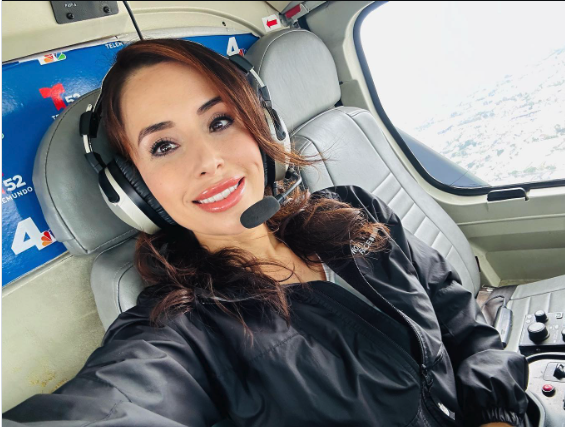
NewsChopper4 Crash in Los Angeles: Remembering Eliana Moreno and Investigating a Tragic Event
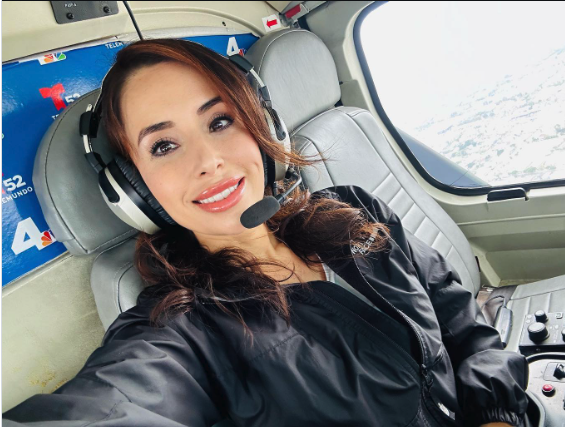
On the evening of a routine news assignment in Los Angeles, tragedy struck when NewsChopper4, operated on behalf of NBC4 and Telemundo 52, crashed while covering an ongoing story. The accident resulted in the deaths of revered aerial reporter Eliana Moreno, 38, veteran pilot George Marciniw, and a third person on the ground. Another person was hospitalized as a result of the incident, which took place in Chatsworth, Los Angeles. The crash has prompted numerous responses, an outpouring of grief across the media landscape, and focused attention on the inherent risks associated with aerial journalism.
The Helicopter Crash: Chronology of Events
The incident occurred shortly before 7 p.m. in the 9100 block of North Mason Avenue, a commercial area in Chatsworth. The aircraft involved—a Eurocopter AS350, a helicopter widely used for newsgathering and law enforcement missions—was providing live aerial coverage of a deadly crash between an SUV and a Metro bus nearby. The Los Angeles Fire Department (LAFD) reported that the helicopter suddenly lost altitude before crashing between commercial buildings, erupting in flames and damaging nearby vehicles.
As the helicopter began its rapid descent, footage captured from inside became chaotic, with the camera violently shaking as the catastrophic failure unfolded. Among the last recorded words was a haunting phrase uttered by Moreno, expressing disbelief and concern to the pilot: “What? You can’t pull up?” These words illustrated the suddenness and severity of the situation, unfolding just seconds before impact.
Immediate Aftermath and Emergency Response
The crash scene was quickly engulfed in flames, triggering an immediate and robust response from Los Angeles emergency services. Over 70 firefighters were dispatched, working tirelessly to contain the blaze that not only consumed the helicopter wreckage but also set nearby vehicles alight. Their swift actions prevented the fire from spreading to adjacent buildings, and they managed to transport one injured individual to the hospital for further treatment.
The tragedy took place close to another devastating scene — the Metro bus and SUV collision that Moreno and Marciniw had been originally assigned to cover. Several news helicopters were circling over the northern Los Angeles airspace at the time, indicative of the high-stakes nature of live aerial reporting in major metropolitan areas.
Shock and Grief Within the Newsroom
The devastating news reverberated across Southern California and within the NBC4 newsroom in real-time. Veteran anchor Colleen Williams was live on air as producers realized the station had lost contact with its helicopter crew. Confirming the tragedy on-air, Williams was visibly emotional, ultimately pausing the broadcast to allow the team and viewers to process the unfolding loss. The impact on the NBC4 and Telemundo 52 community has been profound, as colleagues grappled with the shock and remembered Moreno and Marciniw’s dedication to their craft.
In a joint statement, NBC4 and Telemundo 52 expressed their deep sadness and shared condolences for those lost, promising to support the families, friends, and colleagues of the victims. Their statement read: “We are deeply saddened to share that a helicopter providing aerial news coverage for NBC4 and Telemundo 52 was involved in a fatal accident in Los Angeles on Tuesday evening. We extend our heartfelt condolences to the families, friends and colleagues of those who lost their lives.”
About Eliana Moreno: A Career Spent Above Los Angeles
Eliana Moreno was a familiar and trusted presence in Southern California’s news community, both to her colleagues and to the millions of viewers she served. Moreno began her career in aerial journalism as part of the Angel City Air team in 2010, partnering with several television networks before establishing her prominent role with NBC4 and Telemundo 52.
Friends and colleagues remembered Moreno as an extraordinarily dedicated journalist who elevated the standard of live news coverage, especially during breaking stories where her calm and knowledge made a difference. She described her role as “the best job in the world,” and for her, flying above the city not only fulfilled a lifelong dream, but also provided the public with timely, crucial information during some of Los Angeles’ most difficult moments.
Her legacy is now tied inextricably to her commitment to truthful, timely reporting, and her passing represents a significant loss to the region’s journalistic community.
Understanding the Risks: Aerial Journalism in Perspective
Aerial newsgathering is an invaluable aspect of modern journalism, particularly in sprawling metropolitan areas like Los Angeles. Helicopters enable rapid response to breaking news, providing real-time visuals of traffic incidents, wildfires, criminal investigations, and other major events. Reporters and photojournalists—alongside skilled pilots—work in often challenging and unpredictable environments, navigating busy airspaces and frequently confronting adverse weather, technical failures, or other unforeseen risks.
While helicopter crashes are statistically rare, they can result in tragic outcomes due to the high speeds and altitudes involved. The U.S. National Transportation Safety Board (NTSB) and the Federal Aviation Administration (FAA) maintain rigorous safety standards and regularly update safety guidelines to address lessons learned from aviation accidents. The ongoing investigation into the NewsChopper4 crash will examine all facets, including mechanical structures, flight conditions, pilot experience, potential weather influences, and other contributing factors.
Aviation safety experts highlight the importance of regular maintenance, transparent communication between reporters and flight crews, and adherence to evolving federal standards. Lessons from accidents such as this not only influence newsroom protocols, but also inform best practices for helicopter operators worldwide.
The Ongoing Investigation
In the days following the crash, both the NTSB and FAA began a comprehensive inquiry into the accident. Investigators have carefully reviewed flight tracking data, witness statements, radio transmissions, and footage both from inside the helicopter and captured by bystanders or other news outlets.
According to aviation accident analysts, preliminary findings seek to determine whether mechanical failure, pilot error, environmental conditions, or unexpected emergencies were responsible. The Eurocopter AS350 model, while generally well-regarded for safety and performance, has been involved in a handful of incidents in the past, most often related to challenging operational conditions or technical malfunctions. Crash sites are meticulously examined for clues, with reports expected to be released after several weeks or months, in line with standard federal investigative timelines.
The findings will likely lead to recommendations aimed at preventing future tragedies. Aviation safety boards also review operator training, communication breakdowns, and coordination with air-traffic control—factors that can be crucial in complex urban airspaces such as Los Angeles.
Impact on News Coverage and Public Trust
The shock of the NewsChopper4 crash has not only affected friends and families of those involved, but also sparked wider conversations about the unique risks journalists face in pursuit of accurate and timely information for the public. In recent decades, the need for live, visual coverage has grown, driven by increased competition and rising demand for immediate reporting.
News organizations worldwide are reassessing their safety protocols and the practical necessity of certain airborne assignments. Many are expanding their use of drones for lower-risk aerial newsgathering, but helicopters remain indispensable for broader coverage, longer airtimes, and unique perspectives.
The loss of Moreno and Marciniw has served as a poignant reminder of the sacrifices made by journalists and pilots who risk their safety daily. It has also prompted industry-wide reviews of best practices, technology updates, and support systems for staff covering dangerous assignments.
Public Tributes and Community Reaction
Across social media and local news segments, tributes have poured in for Eliana Moreno and George Marciniw. Many viewers have shared memories of Moreno’s voice guiding them through hurricanes, wildfires, and traffic crises. Several colleagues and public officials, including Los Angeles Mayor Karen Bass, have issued statements expressing condolences and gratitude for the service provided by the fallen crew.
Events like this often spark broader discussions about the sustainability, safety standards, and required resources for modern journalism. News outlets continue to honor those lost while rededicating themselves to responsible reporting and employee welfare.
Conclusion: A Legacy of Dedication and a Call for Vigilance
The deaths of Eliana Moreno, George Marciniw, and a bystander in the NewsChopper4 crash represent a heartbreaking moment for Los Angeles and the news media. As federal investigators work to determine the exact cause, the tragedy stands as a solemn reminder of the risks journalists accept in order to provide vital coverage. Their legacy is one of passion, professionalism, and unwavering commitment to public service. Ensuring the highest safety standards and honoring the contributions of those lost will remain the industry’s enduring responsibility.
Sources
- Reuters
- BBC News
- Los Angeles Times
- Al Jazeera
- National Transportation Safety Board (NTSB)
- Federal Aviation Administration
- NBC News
Disclaimer: This content is intended for entertainment purposes only and is not based on real events.