

Are Water Chestnuts Safe to Eat? Food Safety, Nutrition, and Preparation Tips
Water chestnuts are a widely enjoyed aquatic vegetable known for their mild sweetness and distinctive crisp texture. They are used throughout Asian cuisine in stir-fries, soups, salads, dumpling fillings, desserts, and snacks. Fresh water chestnuts can be eaten after careful preparation, while canned versions are commonly added to cooked dishes for their crunch.
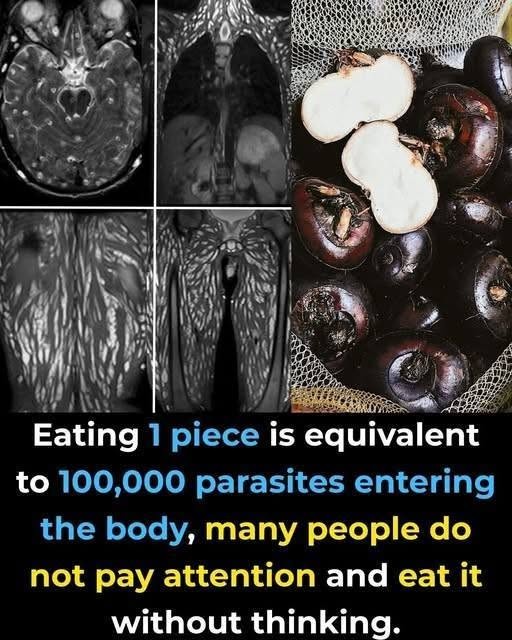
Online claims sometimes warn that water chestnuts contain “many parasites” or are inherently unsafe because they grow in muddy water. These statements can be misleading. Like other fresh produce grown close to soil or water, water chestnuts can become contaminated with microorganisms if they are cultivated, transported, stored, or prepared under poor sanitary conditions. However, this does not mean that all water chestnuts are contaminated or that they should be avoided entirely.
Understanding how water chestnuts are grown and how to handle them safely can help consumers enjoy them as part of a balanced diet. Good food hygiene, careful washing, prevention of cross-contamination, and thorough cooking when appropriate are practical steps that reduce food safety risks.

What Are Water Chestnuts?
The food commonly called a water chestnut is usually the underground corm of Eleocharis dulcis, a sedge plant grown in shallow freshwater environments. Despite its name, it is not a true chestnut and is unrelated to tree nuts. This is important for many people with tree-nut allergies, although anyone with a known food allergy should consult a healthcare professional about individual dietary choices.
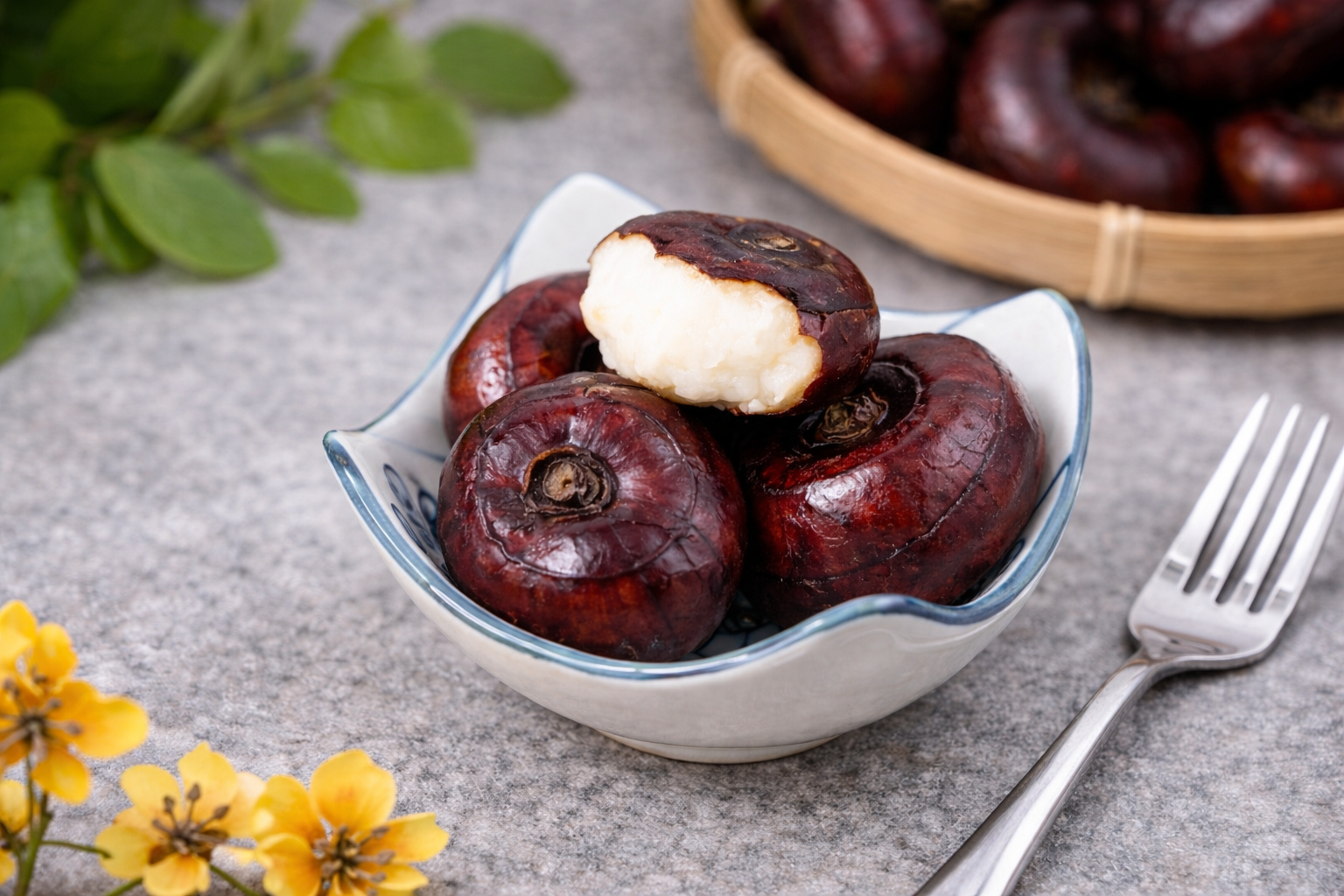
Fresh water chestnuts have a dark brown or black outer skin and a white interior. Their texture remains firm even after cooking, which makes them especially useful in dishes where a crisp bite is desired. Canned water chestnuts are peeled and preserved in water, making them convenient and widely available in supermarkets.
Water chestnuts should also not be confused with water caltrops, sometimes called water chestnuts in certain regions. Water caltrops belong to a different plant group and have a harder, horn-shaped shell. Because common names vary between countries and markets, consumers may find it useful to check product labels or ask vendors which plant is being sold.
Why Food Safety Questions Arise
Fresh water chestnuts are often grown in wet soil, ponds, flooded fields, or other shallow-water agricultural systems. Their rough outer skins can collect mud and organic material. As with leafy greens, root vegetables, herbs, and other produce grown near soil or untreated water, contamination can occur before the food reaches a kitchen.
Potential contaminants may include bacteria, viruses, or parasites from contaminated water, animal waste, unclean harvesting equipment, or poor handling practices. The specific risk depends heavily on local sanitation conditions, agricultural practices, transportation, storage temperatures, and the hygiene of the person preparing the food.
It is not accurate to say that water chestnuts automatically carry parasites. Public-health agencies generally describe foodborne illness as a preventable risk that can affect many types of fresh food. The safest approach is to treat fresh produce carefully rather than relying on dramatic claims or assuming that a food is either completely risk-free or always dangerous.

Can Raw Aquatic Vegetables Carry Parasites?
In some parts of the world, raw or insufficiently cooked aquatic plants have been linked to parasitic infections. One example discussed in public-health literature is intestinal fluke infection caused by Fasciolopsis buski. The parasite is associated with areas where sanitation infrastructure is limited and where aquatic vegetation may be exposed to contaminated water.
The World Health Organization notes that foodborne trematode infections can be acquired by consuming certain raw or undercooked aquatic plants, fish, or crustaceans in areas where these parasites are present. This public-health information supports a simple precaution: aquatic vegetables should be sourced responsibly and cooked thoroughly when there is uncertainty about growing conditions or hygiene.
At the same time, consumers should avoid exaggerating this risk. Parasite transmission depends on a specific life cycle, local environmental conditions, and exposure to contaminated water. A social-media claim that eating one water chestnut will introduce a large number of parasites into the body is not supported by reliable evidence. Food safety advice should be practical, evidence-based, and proportionate to the actual risk.
Cross-Contamination Is an Important Concern
For fresh water chestnuts, one of the most realistic household risks is cross-contamination during preparation. The outside skin may have soil or residue on it. If a person peels the chestnut with unwashed hands, uses a dirty knife, or places the peeled flesh back onto an unclean cutting board, material from the exterior can transfer to the edible interior.
This concern is not unique to water chestnuts. It also applies to melons, avocados, potatoes, carrots, squash, and other foods with surfaces that are not eaten but may be cut through. The U.S. Food and Drug Administration recommends washing fresh produce under running water before peeling, cutting, or eating it. This helps reduce dirt and some surface microorganisms.
Handwashing is equally important. Before preparing food, wash hands with soap and clean running water. Use clean knives, peelers, bowls, and cutting boards. Keep fresh produce separate from raw meat, poultry, seafood, and eggs, which can carry pathogens that cause foodborne illness.
How to Wash and Prepare Fresh Water Chestnuts Safely
Safe preparation begins with selection. Look for fresh water chestnuts that appear firm and intact. Avoid products with extensive visible damage, unusual odors, signs of mold, or packaging that is leaking or severely soiled. Buying from reputable grocery stores, markets, and suppliers can provide more confidence that the food has been stored and handled appropriately.
Before peeling fresh water chestnuts, rinse them well under clean running water. Gently rub the outer surface to remove visible dirt. Do not rely on soap, bleach, detergent, or household disinfectants to wash produce, as these substances are not intended for food and may leave harmful residues.
After washing, dry the water chestnuts with a clean paper towel or cloth if desired. Then peel them using a clean knife or peeler. Wash the knife and cutting board after contact with the unpeeled skins, especially before using those tools for other ready-to-eat foods.
If water chestnuts are being served raw, use them soon after peeling and refrigerate leftovers promptly. Refrigeration slows the growth of many bacteria, but it does not make spoiled or contaminated food safe. When in doubt about freshness or storage history, choosing a cooked recipe is the more cautious option.
Is Cooking Water Chestnuts Safer Than Eating Them Raw?
Cooking is among the most reliable ways to reduce risks from many foodborne microorganisms. Heating food adequately can destroy many bacteria, viruses, and parasites that may be present. Water chestnuts can be stir-fried, steamed, boiled, braised, or added to soups and fillings. Their crisp texture often remains pleasant even after cooking.
There is no need to overcook water chestnuts for long periods simply because they are aquatic vegetables. The goal is to ensure that the dish is heated thoroughly, particularly when ingredients come from uncertain sources or are being prepared for people at greater risk of severe foodborne illness.
People who are pregnant, older adults, young children, or individuals with weakened immune systems may wish to be especially cautious with raw produce. The U.S. Centers for Disease Control and Prevention notes that these groups can be more vulnerable to serious complications from foodborne infections. Cooking water chestnuts and following standard kitchen hygiene practices may offer additional reassurance.
Food Safety Tips for Canned Water Chestnuts
Canned water chestnuts are generally convenient because they have already been peeled and processed. Check the can or jar before opening it. Do not use products with bulging lids, leaks, deep dents along seams, broken seals, or unusual odors after opening. These can be signs that the product may not be safe.
Once opened, transfer unused canned water chestnuts to a clean covered container and refrigerate them. Follow the storage instructions on the label and use them within the recommended period. If the water chestnuts smell unusual, appear discolored, or develop mold, discard them.
Rinsing canned water chestnuts under clean water can remove some of the packing liquid and may reduce sodium when salt has been added. They can then be added directly to a cooked dish or used in cold preparations according to the recipe and package guidance.
Nutritional Value of Water Chestnuts
When safely prepared, water chestnuts can be a nutritious addition to meals. They are naturally low in fat and provide carbohydrates, dietary fiber, and several micronutrients. Their high water content contributes to their refreshing texture and relatively modest calorie content compared with many processed snack foods.
Water chestnuts also contain potassium and other minerals in varying amounts. Potassium is an essential nutrient involved in normal nerve, muscle, and fluid functions. However, people who have kidney disease or have been advised to limit potassium should seek guidance from a qualified healthcare professional about their individual diet.
Like many plant foods, water chestnuts contain naturally occurring compounds with antioxidant activity. It is best to view them as one component of an overall dietary pattern rich in fruits, vegetables, legumes, whole grains, and other minimally processed foods. No single ingredient can prevent disease or replace medical treatment.
How to Enjoy Water Chestnuts in a Balanced Diet
Water chestnuts work well in many meals because their flavor is mild and their texture is distinctive. They can be added to vegetable stir-fries, chicken or tofu dishes, rice bowls, lettuce wraps, soups, and dumplings. Chopped water chestnuts are also often used in fillings because they add crunch without a strong flavor.
For a simple cooked option, add sliced water chestnuts near the end of a stir-fry with vegetables, garlic, ginger, and a modest amount of sauce. They can also be mixed into a soup shortly before serving. Pairing them with protein-rich foods, colorful vegetables, and whole grains can help create a satisfying meal.
Fresh water chestnuts may be enjoyed in salads or fruit and vegetable platters when they have been carefully washed, peeled with clean equipment, and stored safely. However, cooking remains the more conservative choice when the source is uncertain or when serving people with increased vulnerability to foodborne illness.
Conclusion: Water Chestnuts Are Generally Safe With Proper Handling
Water chestnuts are not inherently unsafe, and broad claims that they contain extreme numbers of parasites are misleading. Still, the fact that fresh water chestnuts are grown in wet, muddy environments means they deserve the same careful handling as other fresh produce.
Choose products from reliable sellers, wash fresh water chestnuts under running water before peeling, prevent cross-contamination, refrigerate leftovers properly, and cook them when possible. These straightforward steps can reduce food safety risks while allowing people to enjoy the crisp texture, versatility, and nutritional benefits of water chestnuts.
Sources
- World Health Organization: Foodborne Trematode Infections
- U.S. Food and Drug Administration: Tips for Cleaning Fruits and Vegetables
- Centers for Disease Control and Prevention: Preventing Food Poisoning
- Centers for Disease Control and Prevention: People at Increased Risk for Food Poisoning
- USDA FoodData Central
Disclaimer: This content is intended for entertainment purposes only and is not based on real events.