

Nighttime Leg Cramps: Causes, Relief, Prevention, and When to Seek Care
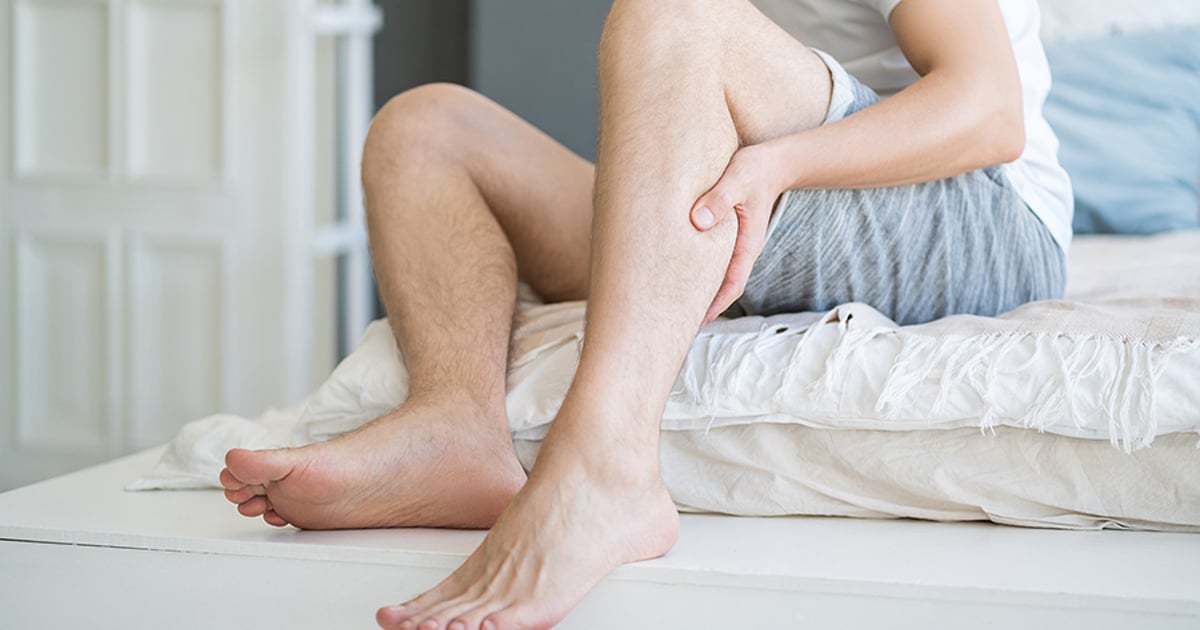
Nighttime leg cramps can interrupt otherwise restful sleep with sudden, intense muscle pain. Often called nocturnal leg cramps, these episodes usually affect the calf muscles, but they can also occur in the feet, toes, or thighs. A cramp may last only a few seconds or continue for several minutes. Even after the muscle relaxes, tenderness and stiffness can remain for hours or into the next day.
These cramps are common, particularly among older adults, pregnant people, and people whose work or lifestyle involves long periods of sitting or standing. For many individuals, an occasional cramp is not a sign of a serious health problem. However, recurrent nighttime cramps can reduce sleep quality, contribute to daytime tiredness, and affect comfort during exercise or daily activities.
Understanding the possible causes of leg cramps, knowing how to respond safely when one occurs, and recognizing when medical advice is needed can help people manage symptoms more effectively. While hydration, stretching, and activity habits may be useful, it is important not to assume that every cramp is caused by dehydration or a vitamin or mineral deficiency.

What Are Nighttime Leg Cramps?
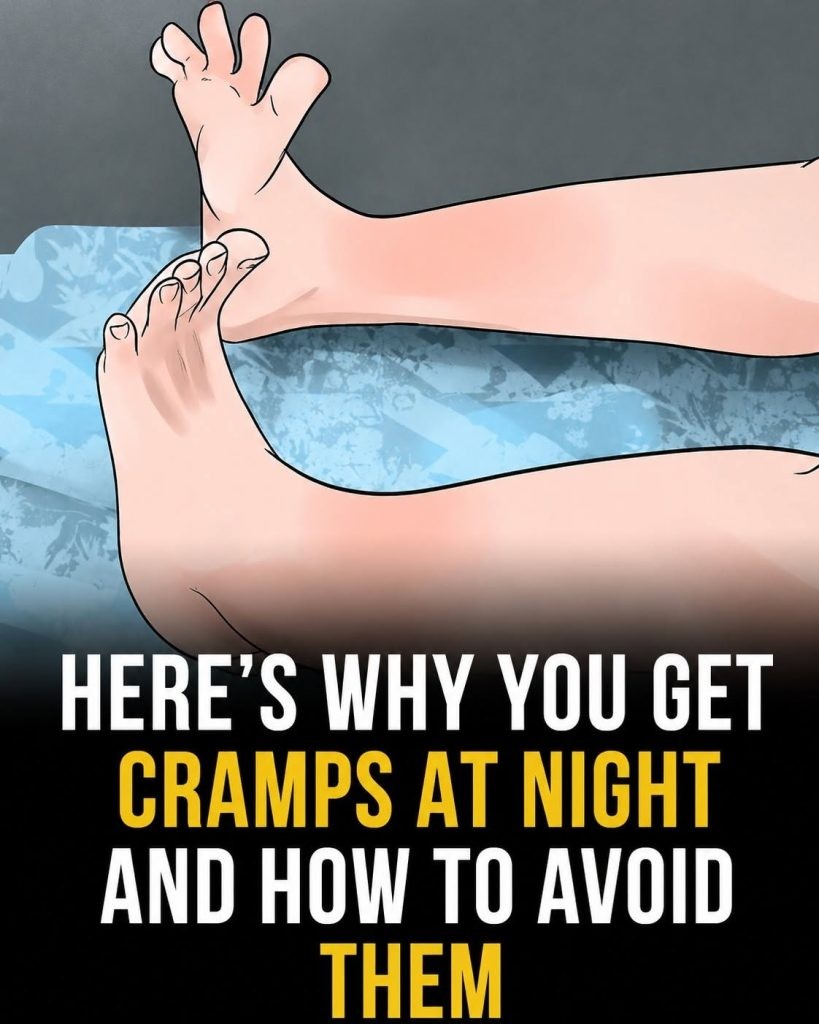
A leg cramp is a sudden, involuntary tightening of a muscle. During the episode, the muscle may feel hard, knotted, or visibly contracted. The pain can be strong enough to wake a person from sleep and make it difficult to move the affected leg immediately.
The calf is the most common location because it contains muscles that work continuously during standing, walking, and physical activity. Foot cramps may cause the toes to curl downward or inward, while thigh cramps can affect either the front or back of the upper leg.
Nighttime leg cramps are different from restless legs syndrome. Restless legs syndrome is generally characterized by an urge to move the legs, often accompanied by uncomfortable sensations that improve with movement. By contrast, a cramp involves a painful, sustained muscle contraction. They are also different from leg discomfort caused by circulation problems, arthritis, nerve pain, or injuries, although these conditions may sometimes produce symptoms that are confused with cramps.

Common Causes of Nighttime Leg Cramps
In many cases, there is no single identifiable cause of nighttime leg cramps. Health professionals may describe these episodes as idiopathic cramps, meaning they occur without a clear underlying explanation. Research suggests that changes in muscle and nerve function, muscle fatigue, and the natural effects of aging can all contribute.
Muscle Fatigue and Physical Activity
Muscle fatigue is a common contributor to cramping. An unfamiliar workout, a long walk, prolonged standing, or a sudden increase in exercise intensity can place extra strain on the legs. Cramps may appear later that evening, when the body is resting.
This does not mean physical activity should be avoided. Regular movement is beneficial for overall health, muscle strength, balance, and circulation. The key is to increase activity gradually, use appropriate footwear, and allow time for recovery after more demanding exercise. People returning to exercise after a long break may find it helpful to build duration and intensity slowly.
Prolonged Sitting, Standing, or Certain Positions
Remaining in one position for long periods may also contribute to leg discomfort and cramping. This can affect people who sit at a desk for much of the day, travel for extended periods, or stand for long shifts at work. During sleep, a position in which the toes point downward may shorten the calf muscles and potentially make cramping more likely in susceptible people.
Simple movement breaks during the day can be helpful. Standing up, walking briefly, and gently moving the ankles and calves may reduce stiffness associated with prolonged inactivity. Before bed, some people benefit from light calf stretches rather than vigorous exercise.
Hydration and Electrolyte Balance
Fluid loss can be relevant, especially after heavy sweating, hot weather, vomiting, diarrhea, or strenuous exercise. Drinking adequate fluids supports normal body function and may be particularly important for people who are physically active or exposed to heat.
Electrolytes, including potassium, calcium, magnesium, and sodium, help muscles and nerves function normally. However, it is inaccurate to assume that a cramp automatically signals a deficiency in one of these nutrients. Most people with occasional nighttime leg cramps do not need supplements, and studies have not shown that magnesium reliably prevents typical idiopathic cramps in all adults.
High-dose supplements can cause side effects or interact with medicines. Potassium supplements, for example, can be dangerous for some people with kidney disease or those taking certain heart and blood pressure medications. A clinician can assess whether blood tests or dietary changes are appropriate when a deficiency is suspected.
Age, Pregnancy, and Other Life Factors
Nighttime leg cramps become more common with age. The reasons are not fully understood, but age-related changes in muscles, nerves, activity patterns, and health conditions may play a role. Pregnancy can also increase the likelihood of leg cramps, particularly during later stages. Pregnant people should discuss frequent or severe cramps with their maternity care team, especially if one leg becomes swollen, red, or persistently painful.
Medicines and Health Conditions
Some medications may be associated with muscle cramps in certain people. These can include some diuretics, which increase urination, as well as other treatments that may affect fluid balance, nerve function, or muscles. A person should not stop a prescribed medicine because of cramps without consulting the clinician who prescribed it. A medication review can help determine whether timing, dosage, alternatives, or other factors should be considered.
Recurring cramps may also be associated with health conditions such as diabetes, thyroid disorders, kidney disease, liver disease, nerve disorders, or problems affecting the muscles. Peripheral artery disease can cause leg pain during activity because blood flow is limited, but its symptoms are not the same as typical sudden nighttime cramps. A medical assessment is important when cramps are new, frequent, severe, or accompanied by other symptoms.
What to Do When a Leg Cramp Happens at Night
Gentle stretching is usually the first and most useful response to an active muscle cramp. The goal is to lengthen the contracted muscle gradually, without sudden movements.
For a calf cramp, straighten the affected leg and gently pull the toes upward toward the shin. If possible, place the foot flat on the floor and slowly shift weight onto it while holding onto a stable surface for balance. Do not force the stretch. A gradual, sustained stretch is generally safer and more comfortable than bouncing or jerking the leg.
For a foot cramp, gently straighten the toes and massage the arch of the foot. For a thigh cramp, the best stretch depends on whether the cramp affects the front or back of the thigh. Slow movement and light stretching may help, but people with mobility limitations should avoid positions that increase their risk of falling.
Massage can provide temporary relief after or during a cramp. Applying warmth, such as a warm bath, shower, heating pad, or warm towel, may help relax a tense muscle. Some people find that a cold pack is more comfortable after the cramp has passed if the muscle remains sore. When using heat or cold, protect the skin and avoid prolonged direct exposure.
Walking carefully for a short period may also help the muscle relax. This should only be attempted if it is safe to stand and there is adequate lighting and support nearby. After a cramp resolves, gentle stretching and hydration may be reasonable, but there is usually no need for urgent treatment if symptoms are brief and infrequent.
How to Help Prevent Nighttime Leg Cramps
There is no guaranteed way to prevent every nighttime leg cramp, particularly when episodes have no obvious cause. Still, consistent habits can reduce potential triggers and support muscle health.
Stretch the Calves and Legs Before Bed
Gentle stretching before sleep may be worthwhile for people who regularly experience nocturnal cramps. One simple calf stretch involves facing a wall, placing both hands on it, stepping one foot backward, and keeping the back heel on the floor while bending the front knee. Hold the stretch comfortably, then switch sides. Stretching should feel mild and controlled, not painful.
People with injuries, balance concerns, or chronic health conditions should ask a healthcare professional or physiotherapist which stretches are suitable for them.
Stay Consistently Hydrated
Drink fluids regularly across the day rather than waiting until thirst becomes pronounced. Individual fluid needs differ based on body size, climate, diet, physical activity, pregnancy, and medical conditions. Some people with heart, liver, or kidney conditions have specific instructions about fluid intake and should follow advice from their care team.
Water is often an appropriate everyday choice. After prolonged activity in heat, a clinician or qualified sports health professional can advise whether additional electrolyte replacement is necessary. For most people, a balanced diet provides the minerals needed for normal muscle function.

Choose Balanced Nutrition Over Unnecessary Supplements
A varied eating pattern can support general health and normal muscle function. Fruits and vegetables provide potassium and other nutrients, while dairy foods or fortified alternatives can contribute calcium. Beans, nuts, whole grains, leafy greens, fish, and other foods can provide magnesium and protein, depending on dietary preferences and medical needs.
Supplements should not be used as a routine solution for leg cramps without professional guidance. This is especially important for people with kidney disease, digestive disorders, or those taking prescription medicines. A clinician may recommend testing or targeted treatment if a deficiency is clinically suspected.
Maintain Regular, Gradual Exercise
Regular walking, cycling, swimming, strength training, or other suitable activity can support muscle conditioning. Avoid abrupt jumps in training volume or intensity, particularly after inactivity. Warm up before demanding exercise and consider recovery time afterward.
Comfortable, supportive footwear may also matter for people who spend substantial time standing or walking. Shoes that fit properly can help reduce strain on the feet and lower legs, though footwear alone will not prevent every type of cramp.
Review New Symptoms and Medication Changes
If cramps began soon after a new medication, dose adjustment, illness, or major change in activity, keep a brief record of the timing and symptoms. Note which leg is affected, how long episodes last, what activities occurred that day, and any associated symptoms. This information can help a healthcare professional identify patterns and decide whether further evaluation is needed.
When to Speak With a Healthcare Professional
Schedule a non-urgent medical appointment if nighttime leg cramps are frequent, severe, regularly disrupt sleep, or do not improve with basic self-care. Medical advice is also appropriate when cramps occur with muscle weakness, numbness, tingling, persistent pain, changes in walking, or unexplained fatigue.
A clinician may ask about medications, diet, hydration, exercise, sleep, and medical history. Depending on the situation, they may perform an examination or order tests to evaluate possible contributors such as thyroid disease, diabetes, kidney problems, nerve conditions, or electrolyte abnormalities.
Seek urgent medical care for a leg that develops new swelling, warmth, redness, or ongoing pain, especially if symptoms affect one side. These signs can have causes other than a muscle cramp and need prompt assessment. Emergency help is needed if leg symptoms occur with sudden chest pain, difficulty breathing, fainting, or coughing up blood.
Key Takeaways About Nighttime Leg Cramps
Nighttime leg cramps are common and usually temporary, but they can have a meaningful effect on sleep and quality of life when they recur. A gentle stretch, careful movement, massage, and warmth can often help during an episode. Prevention may include regular stretching, sensible hydration, gradual exercise, balanced nutrition, and discussing persistent symptoms with a healthcare professional.
It is important to avoid self-diagnosing a nutrient deficiency or taking large doses of magnesium, potassium, or other supplements without advice. Frequent or changing symptoms deserve medical attention, particularly when they are accompanied by swelling, weakness, numbness, redness, or persistent pain.
Sources
Disclaimer: This content is intended for entertainment purposes only and is not based on real events.