


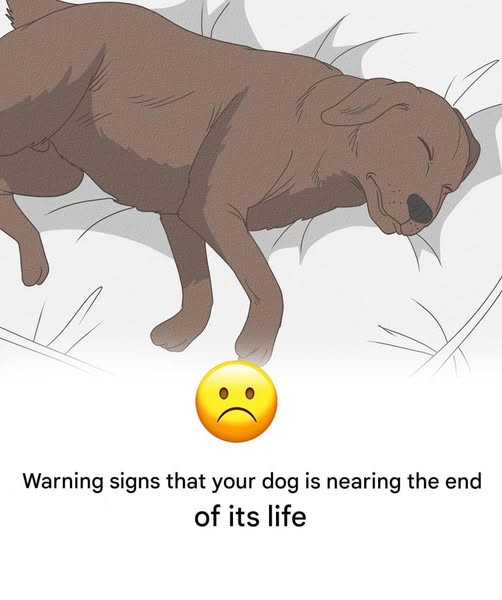
Few relationships are as rewarding as the bond between people and their dogs. From playful puppy days to quiet afternoons together, dogs become cherished members of the family. As they grow older, however, their needs naturally change.
Many signs associated with aging are part of the normal senior years, while others may indicate health conditions that benefit from veterinary care. Learning to recognize these changes can help owners provide comfort, support, and appropriate medical attention.
It’s important to remember that no single sign can determine a dog’s health status. If you notice significant or sudden changes, consult your veterinarian for a proper evaluation.
1. Reduced Energy Levels
One of the most common changes in senior dogs is a gradual decrease in energy.
A dog that once eagerly chased balls or enjoyed long hikes may now prefer shorter walks and more frequent naps.
This change is often a normal part of aging, but sudden or dramatic fatigue should always be discussed with a veterinarian, as it can also be associated with treatable health conditions.
2. Sleeping More Than Usual
Older dogs generally require more sleep than younger ones.
Longer rest periods allow aging bodies to recover and conserve energy.
Providing a comfortable, quiet sleeping area with supportive bedding can help improve your dog’s overall comfort.
If excessive sleep is accompanied by weakness, confusion, or loss of appetite, a veterinary examination is recommended.
3. Changes in Appetite
Many senior dogs experience changes in eating habits.
Possible reasons include:
- Dental discomfort
- Reduced sense of smell
- Digestive changes
- Underlying medical conditions
Some dogs simply eat smaller meals, while others become more selective about food.
If appetite decreases for more than a day or two, especially when combined with other symptoms, professional advice is important.
4. Difficulty Moving Around
Joint stiffness becomes increasingly common with age.
You may notice your dog:
- Taking longer to stand up
- Hesitating before climbing stairs
- Jumping less often
- Walking more slowly
Arthritis is one of the most common causes of reduced mobility in older dogs, and many treatment options can help improve comfort and quality of life.
5. Changes in Behavior
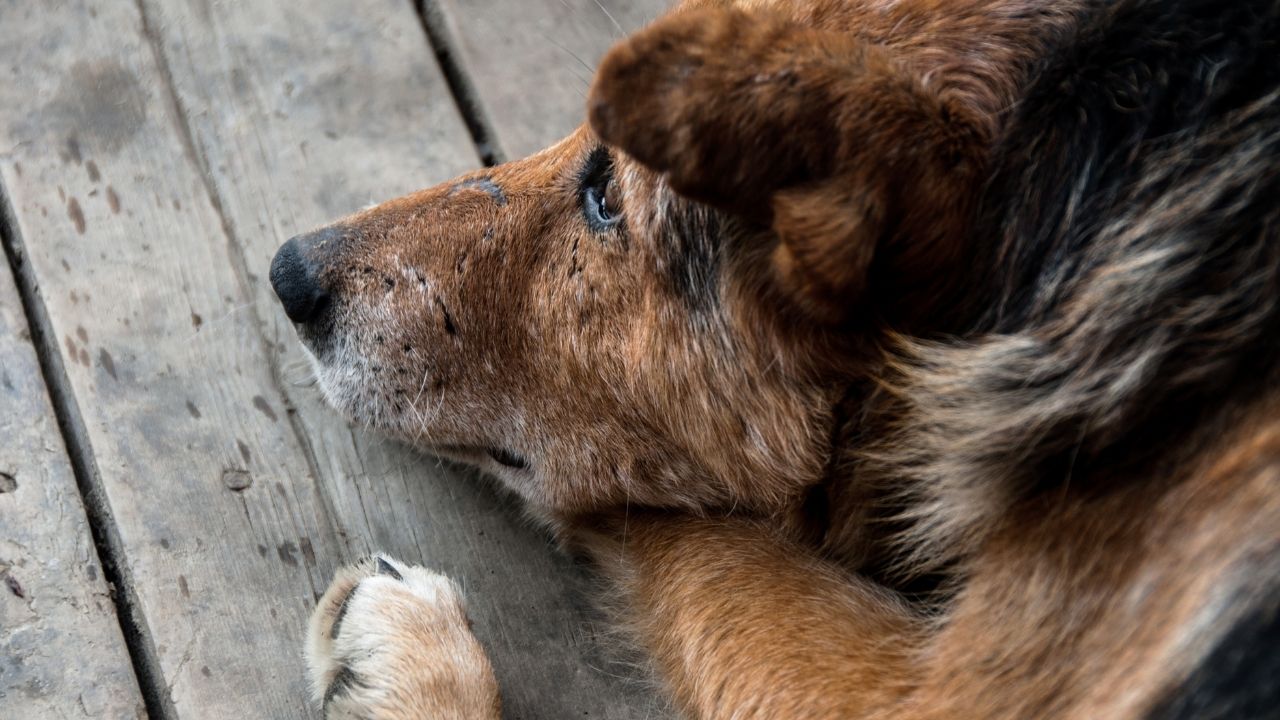
Aging may influence a dog’s personality and daily habits.
Some senior dogs become more affectionate and enjoy staying close to family members.
Others may seek quieter spaces or become less interested in activities they previously enjoyed.
Behavioral changes can also be linked to medical conditions, hearing loss, vision changes, or cognitive decline, making veterinary evaluation valuable.
6. Breathing Changes
Pay attention to your dog’s breathing patterns.
Contact your veterinarian if you notice:
- Persistent coughing
- Labored breathing
- Unusual panting while resting
- Difficulty catching their breath
Breathing changes should never be ignored, regardless of age.
7. Coat and Skin Changes
As dogs age, their coat may lose some of its natural shine.
Owners may also notice:
- Thinner fur
- Dry skin
- Slower hair regrowth
- Increased shedding
Regular grooming not only keeps the coat healthy but also allows owners to check for lumps, skin irritation, or parasites.
8. Pale or Unusual Gum Color
Healthy gums are typically pink and moist.
Very pale, bluish, or unusually bright red gums may indicate medical concerns requiring prompt veterinary assessment.
Routine oral examinations at home can help owners notice changes early.
9. House Training Accidents
Older dogs occasionally experience urinary or bowel accidents indoors.
Possible reasons include:
- Reduced mobility
- Cognitive changes
- Urinary tract conditions
- Age-related muscle weakness
Rather than assuming poor behavior, it’s important to consider possible medical causes and seek professional guidance.
10. Less Interest in Favorite Activities
Many senior dogs gradually reduce participation in activities they once loved.
For example, they may:
- Greet family members less enthusiastically
- Show less interest in toys
- Walk shorter distances
- Spend more time resting
These changes often occur gradually, allowing owners to adjust routines to match their companion’s comfort level.
11. Increased Need for Comfort
Perhaps the most meaningful change is a growing desire for calm, familiar surroundings.
Senior dogs often appreciate:
- Soft bedding
- Consistent routines
- Gentle handling
- Quiet environments
- Time with trusted family members
Simple acts of companionship can greatly contribute to a dog’s well-being throughout their senior years.
How to Support an Aging Dog
Caring for an older dog involves small adjustments that can make daily life easier.
Helpful strategies include:
- Scheduling regular veterinary checkups.
- Providing age-appropriate nutrition.
- Maintaining gentle daily exercise.
- Keeping fresh water easily accessible.
- Using non-slip rugs on smooth floors.
- Offering orthopedic bedding when appropriate.
- Monitoring changes in weight, appetite, and behavior.
Early recognition of health concerns often allows veterinarians to recommend treatments that improve comfort and quality of life.
When to Contact Your Veterinarian
While aging itself is natural, some symptoms require prompt medical attention.
Seek veterinary care if your dog experiences:
- Persistent difficulty breathing
- Repeated vomiting or diarrhea
- Refusal to eat for an extended period
- Sudden inability to stand or walk
- Seizures
- Severe pain
- Collapse
- Rapid or dramatic behavioral changes
Prompt evaluation can help identify treatable conditions and improve outcomes.

Celebrating the Golden Years
Growing older is a natural part of every dog’s life. Although senior dogs may slow down, many continue to enjoy happy, meaningful years with proper nutrition, veterinary care, regular exercise, and plenty of affection.
Paying attention to subtle changes allows owners to respond with understanding rather than worry. Every wagging tail, quiet walk, and peaceful afternoon together becomes another opportunity to strengthen the remarkable bond between people and their canine companions.
Conclusion
Watching a beloved dog grow older can be emotional, but understanding the normal changes associated with aging helps owners provide the best possible care. Reduced energy, increased sleep, mobility challenges, and behavioral changes are often manageable with veterinary guidance and thoughtful adjustments at home.
Most importantly, every dog ages differently. Regular veterinary checkups, attentive observation, and a loving environment remain the foundation of healthy senior care. By recognizing changes early and responding with compassion, families can help their dogs enjoy comfort, dignity, and companionship throughout every stage of life.
Sources
- American Veterinary Medical Association – Senior pet care guidance
- American Animal Hospital Association – Senior dog health recommendations
- Cornell University College of Veterinary Medicine – Aging and canine health resources
- Merck Veterinary Manual – Veterinary reference for senior dogs
- American Kennel Club – Caring for senior dogs