



More Than a Princess: Diana’s Legacy of Compassion, Motherhood and Public Service
Princess Diana remains one of the most recognised public figures of the modern era. Decades after her death in 1997, photographs, interviews and memories of her continue to draw global attention. She is remembered for her distinctive style, her warmth with the public and her willingness to use an extraordinary platform to highlight people and issues that were often ignored.
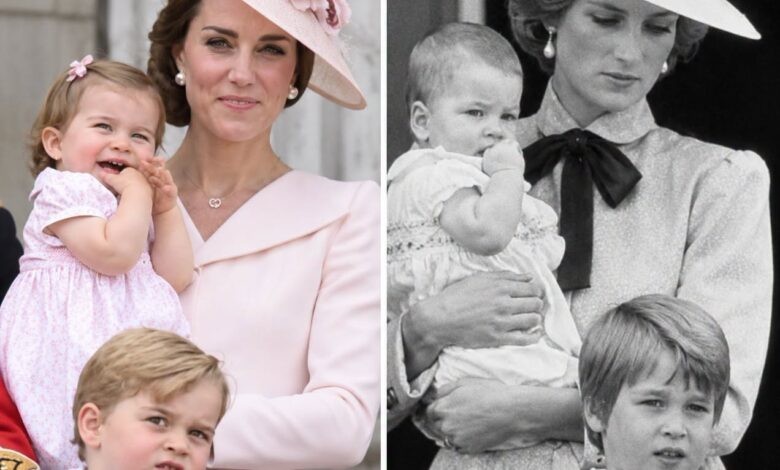
Yet Diana’s lasting significance extends beyond royal ceremonies, fashion headlines and the intense media scrutiny that surrounded her life. Her legacy is also rooted in motherhood, charitable work, emotional openness and a public approach that changed expectations of the British royal family. Images of Diana with her sons, speaking with patients or meeting children during overseas visits remain powerful because they present moments of connection rather than formality.
Understanding Diana’s impact requires looking beyond the familiar image of a glamorous princess. She was a young woman who entered one of the world’s most closely watched institutions, became a global cultural figure and sought to maintain a sense of empathy and normal family life amid exceptional public pressure.
Princess Diana’s Rise to Global Recognition
Diana Frances Spencer was born on 1 July 1961 into an aristocratic British family. Her life changed dramatically after her engagement to Charles, Prince of Wales, was announced in 1981. Their wedding at St Paul’s Cathedral later that year was watched by a vast international television audience, reflecting the public fascination that would follow Diana for the rest of her life.
As Princess of Wales, Diana became a highly visible representative of the royal family. Her public appearances attracted intense interest, from state visits and charity events to her clothing choices and personal expressions. She quickly developed a style that was widely copied and closely analysed, helping establish her reputation as an international fashion influence.
However, Diana’s public appeal was not based only on appearance. Many people saw her as unusually accessible for a senior royal. She often appeared emotionally engaged in conversations, particularly during visits to hospitals, schools and charitable organisations. In an institution traditionally associated with ceremony and reserve, her manner felt more personal and immediate to many observers.
That perception helped shape the phrase “the People’s Princess,” used by then British Prime Minister Tony Blair in his statement following Diana’s death. The description captured the widespread view that she had formed a direct and meaningful relationship with the public.
Compassion and a More Personal Style of Royal Engagement
Diana supported a wide range of charities and humanitarian causes throughout her public life. Her work was often notable for the way she drew public attention to individuals and communities affected by illness, exclusion or poverty. Rather than limiting her role to formal patronage, she frequently visited organisations, met people directly and used the visibility of the media to encourage wider awareness.
One of the most significant areas of her advocacy involved HIV and AIDS. During the 1980s, misinformation and fear about HIV were widespread in many countries. People living with HIV often faced stigma, discrimination and social isolation. In 1987, Diana visited London’s first purpose-built HIV/AIDS unit at Middlesex Hospital and was photographed shaking hands with a patient without wearing gloves.
The gesture was medically unremarkable—HIV cannot be transmitted through ordinary social contact such as touching or shaking hands—but it carried considerable symbolic importance. At a time when public understanding of the virus was limited, the image helped challenge misconceptions. Health organisations, including the World Health Organization, have consistently stated that HIV is not spread by casual contact, sharing food or using the same facilities.
Diana’s involvement did not replace the work of doctors, scientists or public-health agencies. However, her visibility helped bring compassionate attention to an issue that was often discussed through fear rather than evidence. Her example showed how prominent public figures can support health education by modelling informed and respectful behaviour.
She was also associated with charities focused on homelessness, children’s welfare, disability, leprosy and cancer care. Her work with organisations such as Centrepoint, which supports young people experiencing homelessness, remains part of her public legacy. Prince William later became patron of Centrepoint, continuing a connection that began with childhood visits made alongside his mother.
Diana and the Campaign Against Landmines
In the final year of her life, Diana brought international attention to the dangers posed by landmines left behind after conflict. In January 1997, she visited Angola with the Halo Trust, a demining organisation, where she walked through a cleared minefield wearing protective equipment. The images became among the most widely remembered of her later humanitarian work.
Her visit occurred during an important period in international efforts to ban anti-personnel landmines. Campaigners, humanitarian organisations and governments argued that mines continued to harm civilians long after fighting had ended, restricting access to homes, farmland, roads and essential services. Diana’s participation helped bring wider media attention to these arguments.
Later in 1997, the Anti-Personnel Mine Ban Convention, often called the Ottawa Treaty, was adopted. The treaty was the result of sustained work by governments, campaigners and international organisations rather than any one individual. Nevertheless, Diana’s advocacy became closely linked with the movement because she used her global profile to make the humanitarian consequences of landmines more visible.
Her involvement demonstrated a defining feature of her public role: she was willing to lend attention to complex issues that could otherwise seem distant to audiences in Britain and elsewhere. Her approach focused on the experiences of affected people, particularly families and children living in communities recovering from conflict.
Princess Diana as a Mother to William and Harry
For many people, the most enduring photographs of Diana are those showing her with her sons, Prince William and Prince Harry. William was born in 1982 and Harry in 1984, and Diana frequently expressed the importance of giving them affection, stability and exposure to life outside royal surroundings.
As a member of the royal family, Diana’s parenting was necessarily shaped by public duties, security requirements and intense press attention. Even so, she was widely seen as trying to create experiences that felt familiar to many families. Publicly documented outings included visits to theme parks, skiing holidays, school events and time spent outdoors. These scenes stood in contrast to the grandeur often associated with royal life.
The significance of these images lies in their ordinariness. A mother laughing with her children, joining them on a ride or walking beside them on holiday can appear simple. For a family followed constantly by photographers, however, such moments represented an effort to preserve joy and connection under unusual circumstances.
Both William and Harry have spoken publicly, at different times, about the influence of their mother. Their charitable interests have included mental health, support for young people, veterans, conservation and assistance for communities facing hardship. Their individual lives and public roles have developed in different directions, but Diana’s emphasis on empathy and direct engagement remains an important part of how many people understand her influence on her sons.
The Pressures Behind the Public Image
Diana’s life also illustrates the personal cost of extraordinary fame. From the beginning of her relationship with Charles, she was pursued by photographers and subjected to constant speculation. The global public interest in the royal family created immense demand for stories and images, leaving little room for privacy.
Her marriage to Charles faced serious difficulties and the couple separated in 1992 before divorcing in 1996. These events unfolded under exceptional media attention. Diana’s 1995 interview with the BBC’s Panorama programme became one of the most discussed television interviews of the period. A later independent inquiry found that journalist Martin Bashir had used deceitful methods to secure the interview, and the BBC issued an apology for its failures.
This history has prompted broader discussion about media ethics, privacy and the responsibilities of broadcasters and publishers when reporting on public figures. It also serves as a reminder that public photographs and headlines cannot fully explain a person’s private experience. Images may capture a smile, a conversation or a successful public appearance, but they do not reveal every pressure or difficulty behind the moment.
Diana’s public life contained a constant tension between visibility and vulnerability. She had access to a platform few people could match, but she was also one of the most photographed women in the world. That contrast remains central to public interest in her story.
How Diana Changed Expectations of the British Royal Family
Diana did not single-handedly transform the monarchy, and the British royal family has long supported charitable causes. However, her style of engagement helped accelerate a shift in public expectations. Many people increasingly valued emotional openness, direct contact and visible concern for social issues alongside traditional ceremonial duties.
Her visits often generated lasting attention because of the people she met rather than the grandeur of the occasion. When she sat with a patient, held a child’s hand or listened closely to someone describing a difficult experience, photographs communicated a sense of personal presence. These interactions were meaningful to the public because they suggested that status need not prevent empathy.
In the years since Diana’s death, royal charitable work has continued to include mental health, youth opportunity, homelessness, environmental protection and community support. The methods and priorities vary among individual members of the family, but the expectation that public service should feel engaged and human is now an important part of modern royal life.
Why Photographs of Diana Continue to Resonate
Photographs remain central to Diana’s legacy because they capture the qualities most often associated with her: warmth, attentiveness and an ability to appear at ease with people from many backgrounds. Formal portraits show her role within the royal institution, while candid images with William and Harry reveal a more domestic side. Pictures from hospitals, shelters and international visits reflect her humanitarian commitments.
These images should be viewed with care. A photograph records only a fraction of a second, not an entire life or emotional reality. Still, photographs can preserve gestures that help explain why Diana had such a strong impact. Her body language often appeared open; her attention was frequently directed toward the person beside her rather than exclusively toward the cameras.
The appeal of these moments is not simply nostalgia. They reflect universal experiences: the wish to be heard, the importance of family, the value of kindness and the effort to retain humanity in difficult circumstances. For many viewers, Diana’s story remains compelling because it combines extraordinary public status with recognisably human concerns.
Diana’s Enduring Humanitarian Legacy
Princess Diana’s legacy is complex and cannot be reduced to any single image, charity visit or public description. She was a global celebrity, a senior royal, a mother and a campaigner whose life unfolded under rare levels of scrutiny. Her work did not solve the major problems she highlighted, but it helped direct public attention toward people and causes that deserved greater understanding.
Her influence is especially visible in the continuing importance of compassionate public engagement. Whether raising awareness about HIV stigma, supporting young people facing homelessness or drawing attention to the long-term effects of landmines, Diana showed that empathy can be a meaningful part of public service.
More than a princess, Diana remains a symbol of warmth and compassion for people around the world. The images that continue to resonate are often not the most formal or glamorous. They are the quieter moments: a mother with her children, a visitor listening to a patient, or a public figure choosing connection over distance. Those moments help explain why her memory continues to matter.
Sources
Disclaimer: This content is intended for entertainment purposes only and is not based on real events.