



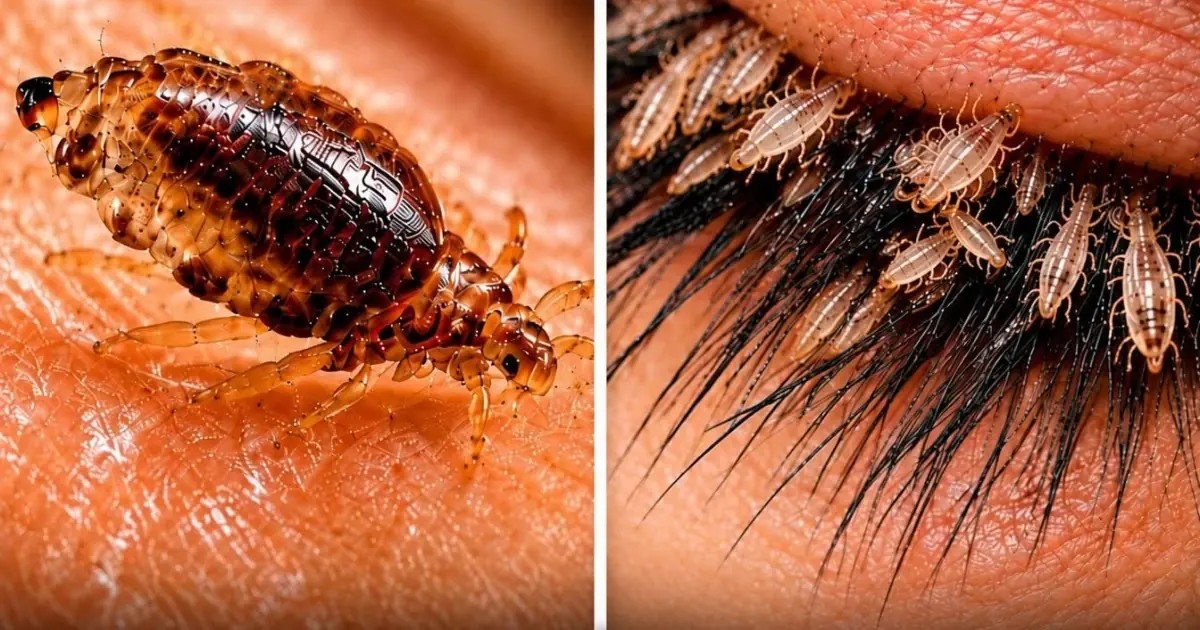
Chapter 1: What Really Happens When You Sleep Close to Someone With Head Lice?
Sharing a bed with a partner, staying overnight with relatives, or sleeping beside a child with an itchy scalp can raise an understandable question: can head lice spread while people sleep close together? The short answer is yes, but transmission depends mainly on direct hair-to-hair contact rather than simply being in the same room or using the same bedroom.
Head lice are common, small insects that live on human scalp hair. They can affect people of any age, although they are especially common among school-aged children because children often play in close physical proximity. Having head lice is not a sign of poor hygiene, poor parenting, or an unclean home. The insects need human blood to survive, and clean hair is just as suitable for them as unwashed hair.
Understanding how lice spread, what symptoms may appear, and how to confirm an infestation can help households respond calmly and avoid unnecessary worry or ineffective cleaning measures.
How Head Lice Spread Between People
Head lice do not fly and cannot jump. They move by crawling, using claw-like legs adapted to grip individual human hairs. Their primary route of transmission is direct contact between the hair of an infested person and the hair of another person.
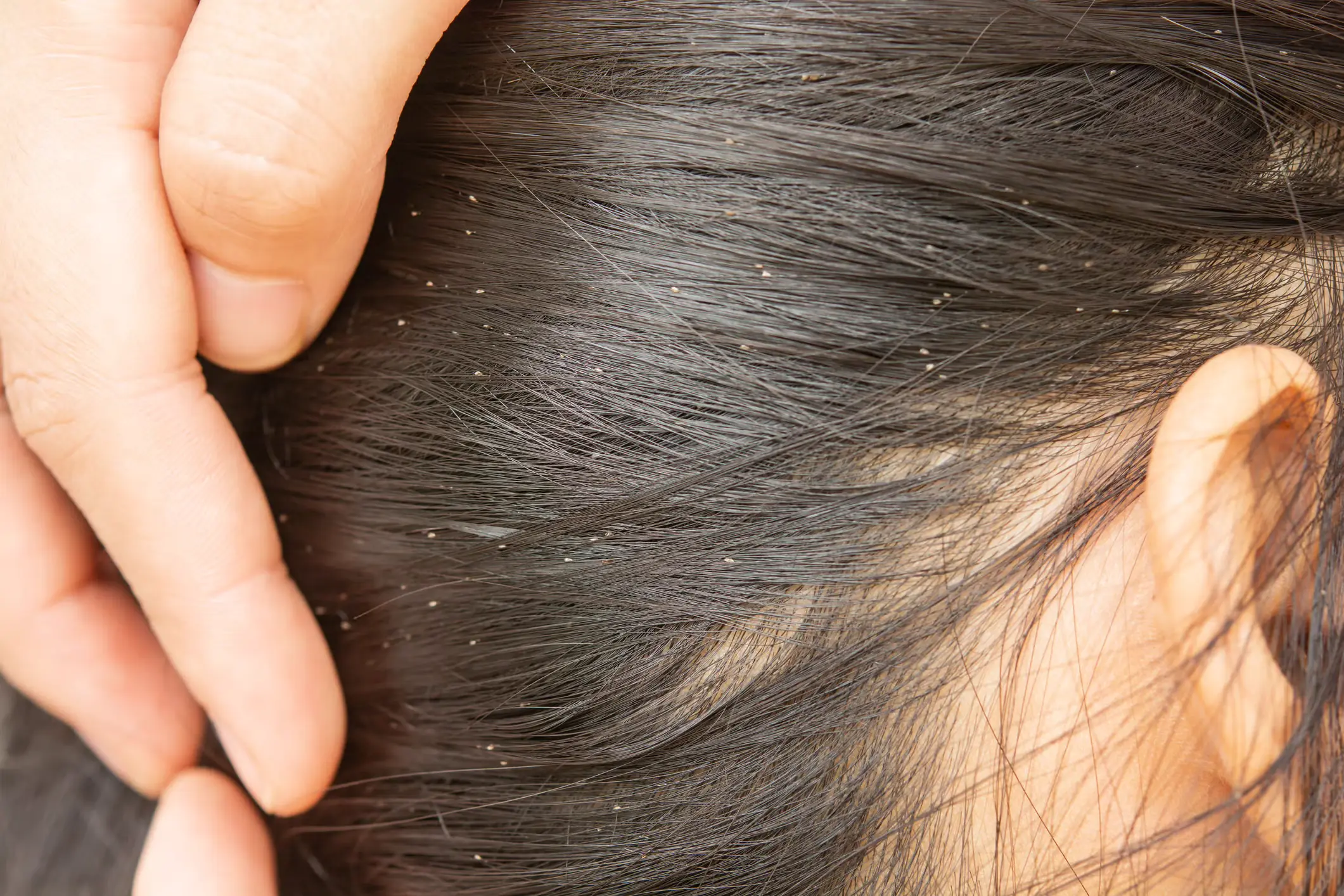
This means that close contact creates the most realistic opportunity for a louse to move from one scalp to another. During sleep, transmission may occur if two people’s heads remain close together or touch for a sustained period. However, sharing a bed does not guarantee that lice will transfer. A louse must physically crawl onto another person’s hair, and that requires an opportunity for close contact.
According to the U.S. Centers for Disease Control and Prevention (CDC), head lice spread most commonly through direct head-to-head contact. This can occur in many ordinary situations, including:
- Sleeping with heads close together.
- Long hugs or cuddling.
- Children playing closely together.
- Taking photographs with heads touching.
- Participating in activities where hair comes into direct contact.
Indirect spread through items such as hats, brushes, bedding, or headphones is possible but considered less common. Lice are designed to live on the human scalp, where they have warmth and regular access to blood. They generally do not survive long away from a person. For that reason, public health guidance emphasizes checking close contacts and treating confirmed infestations rather than attempting extreme household cleaning.
Can Head Lice Spread During a Night of Sleeping Together?
Yes, sleeping close to someone with an active head lice infestation can create a chance of transmission, particularly when hair touches hair. The likelihood varies according to how much direct contact occurs and whether the person with lice has live, mobile insects in their hair.
It is important to separate realistic risk from common misconceptions. Lice do not leap across a pillow, fly through a bedroom, or crawl long distances in search of a new host. They usually remain close to the scalp and move from one head to another only when there is a direct route through touching hair.
Simply sleeping in the same room, sitting near someone, or speaking face to face is therefore not usually enough to spread lice. Likewise, a child with lice does not pose a meaningful risk to everyone in a classroom merely by being present. Close contact is the key factor.
If someone in a household is found to have live head lice, the CDC advises examining household members and other close contacts. People with evidence of live lice should be treated at the same time when practical, helping to reduce the chance of repeated transmission within the home.
What Happens After a Louse Reaches a New Scalp?
Once a live louse crawls into another person’s hair, it tends to stay near the scalp. This area offers the temperature, shelter, and food source the insect requires. Head lice feed on small amounts of human blood from the scalp.
Female lice can lay eggs, commonly known as nits. They attach these eggs firmly to individual hair shafts, usually very close to the scalp where the temperature is most favorable for development. Nits are often found behind the ears and at the back of the neck, although they may occur elsewhere on the scalp.
Under normal conditions, eggs typically hatch in about seven to 10 days. The young lice, known as nymphs, mature through several stages before becoming adults. The full life cycle generally takes around three weeks, though timing can vary. Adult lice can continue reproducing if they remain on the scalp and are not effectively treated.
This life cycle explains why an infestation may not be obvious immediately after exposure. A person may have only a small number of lice at first, and symptoms can take time to appear. Finding a nit alone does not always confirm an active infestation, because old, empty egg casings may remain attached to hair after treatment. The clearest evidence is finding a live crawling louse.
Why Itching May Not Begin Right Away
Itching is the symptom most people associate with head lice, but it does not always occur immediately. The itch is linked to the body’s reaction to saliva introduced when lice feed. For someone experiencing head lice for the first time, it may take several weeks for this sensitivity to develop.
People who have had lice before may notice irritation sooner because their immune system may react more quickly. At the same time, some people with live lice have little or no itching. This means an absence of symptoms does not completely rule out an infestation, especially after known close exposure.
Itching alone is also not a reliable diagnosis. Dandruff, dry scalp, eczema, psoriasis, and reactions to hair-care products can all cause irritation or flakes in the hair. A careful scalp examination is more useful than guessing based on itching.
Warning Signs That May Suggest Head Lice
Head lice are small and can be difficult to spot, especially in the early stages. An adult louse is roughly the size of a sesame seed and moves quickly through the hair. The following signs may indicate that a closer check is needed.
Persistent Scalp Itching
Itching may be most noticeable around the back of the neck, behind the ears, along the hairline, and at the sides of the head. Some people experience mild discomfort, while others find the irritation disruptive, particularly when trying to sleep.
A Tickling or Crawling Sensation
Some individuals report a feeling that something is moving in their hair. While this can occur with lice, it is not present in every case and should not be treated as confirmation on its own.
Visible Nits Close to the Scalp
Nits can look like tiny oval specks attached firmly to the hair shaft. Unlike dandruff or ordinary debris, they are difficult to brush or flick away. They are most often located within about one-quarter inch of the scalp. However, nits may be confused with hair casts, product residue, or flakes, so a live louse remains the best confirmation of an active infestation.
Redness or Scratch Marks
Repeated scratching can irritate the scalp and create small red marks. These may appear at the hairline, behind the ears, or on the neck. Scratching can worsen discomfort even when the number of lice is low.
Sleep Disruption
Scalp irritation may feel more noticeable at night and can interfere with sleep. Tiredness, distraction, and concern about itching may follow, particularly for children. Supportive, non-stigmatizing conversations can make the experience less stressful for families.
How to Check for Head Lice Accurately
A systematic check is more reliable than a quick glance. Good lighting, a fine-toothed lice comb, and patience are helpful. The CDC notes that detecting live lice is the best way to diagnose an active infestation.
Part the hair into small sections and inspect close to the scalp, focusing on the areas behind the ears and at the nape of the neck. Wet-combing can also help because conditioner or water may slow the movement of lice, making them easier to see and remove with a specialized comb.
If a live louse is found, check other close household contacts. It is not necessary to treat people “just in case” if no live lice are found, unless a clinician or local public health authority recommends otherwise. Unnecessary treatment may expose people to products they do not need and can contribute to confusion about whether an infestation is still active.
Are Head Lice Dangerous?
Head lice are unpleasant and can cause distress, but they are not known to spread disease. They are different from some other blood-feeding insects, such as certain mosquitoes or ticks, that can transmit infections. In most cases, head lice are a manageable condition that can be treated at home with appropriate products and combing methods.
The main health concern is skin irritation caused by scratching. Broken skin can occasionally develop a bacterial infection. Medical advice is appropriate if there is increasing redness, warmth, swelling, pain, crusting, drainage, fever, or tender lymph nodes. A healthcare professional can assess whether additional treatment is needed.
Parents and caregivers should also seek guidance before using lice medicines on very young children, during pregnancy or breastfeeding, or when a person has allergies, asthma, or a scalp condition. A pharmacist, doctor, or pediatric clinician can help identify an age-appropriate option.
Practical Steps After Close Exposure to Lice
If you have slept close to someone with confirmed head lice, there is no need to panic. Check the scalp carefully over the following days, especially if itching develops. Because symptoms may be delayed, a follow-up check can be sensible if there has been substantial head-to-head contact.
If live lice are identified, use a treatment recommended by a healthcare professional or follow the instructions on an approved over-the-counter product carefully. Many treatments require a second application after a specified interval because some products do not kill every egg. Fine-toothed combing can help remove lice and nits.
Wash clothing, bedding, and items used by the affected person in the two days before treatment using hot water and high heat drying when the items can safely tolerate it. Items that cannot be washed may be sealed in a plastic bag for two weeks. At the same time, avoid excessive cleaning. Fumigant sprays are not recommended because they can be unnecessary and may pose health risks when used indoors.
Reducing Stigma and Preventing Repeat Spread
Head lice can affect families in every community and socioeconomic group. Since lice are not linked to cleanliness, blame and embarrassment do not help control their spread. Calm communication, early detection, and correct treatment are more effective than harsh cleaning routines or excluding children unnecessarily from normal activities.
Prevention is centered on reducing direct hair-to-hair contact when an active case is known. Families can also avoid sharing hair brushes, combs, hats, hair accessories, pillows, and headphones during treatment. These measures are sensible precautions, but they should not distract from the main route of transmission: close contact between heads.
In summary, sleeping beside someone with head lice can lead to transmission when hair touches hair, but it is not inevitable. Head lice cannot fly or jump, and they are not a reflection of hygiene. A careful check for live lice, evidence-based treatment when necessary, and supportive household communication are the most practical ways to manage the situation.
Sources
Disclaimer: This content is intended for entertainment purposes only and is not based on real events.